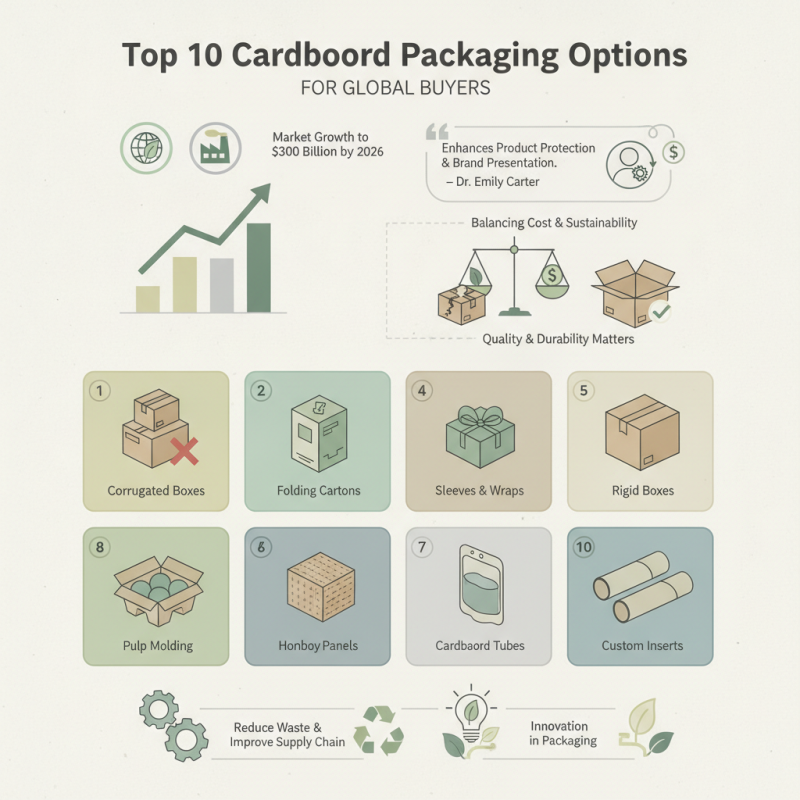
Cardboard packaging has become increasingly crucial for global suppliers. Market research shows that the global cardboard packaging industry is expected to reach $300 billion by 2026. This growth highlights a strong demand for innovative and sustainable packaging solutions. According to industry expert Dr. Emily Carter, “Cardboard packaging not only meets environmental standards but also enhances product protection and brand presentation.”
In today’s competitive market, choosing the right packaging option is vital. It influences customer perception and sustainability efforts. Cardboard is lightweight and recyclable, making it an attractive choice for environmentally conscious brands. Many companies struggle to balance cost-effectiveness and sustainability. Although cardboard packaging is versatile, not all options deliver the same quality and durability. Some products may fail under stress, leading to dissatisfaction among buyers.
Implementing effective cardboard packaging can reduce waste and improve supply chain efficiency. However, the challenge lies in ensuring the right balance of material thickness and design. With the increasing emphasis on eco-friendly practices, businesses must rethink their packaging strategies. This process can reveal opportunities for enhancement and innovation in cardboard packaging solutions.
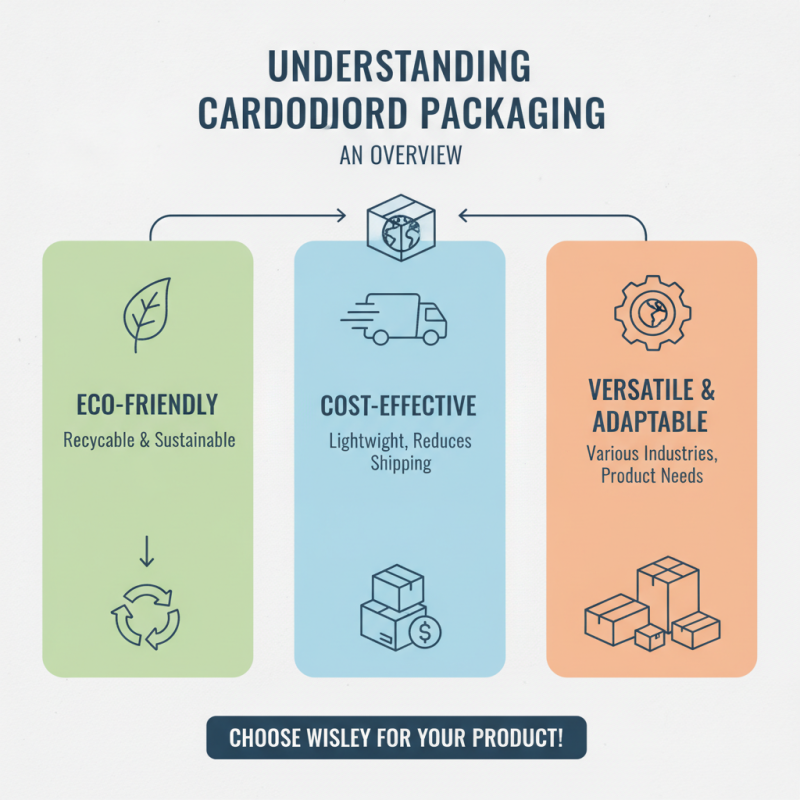
Cardboard packaging is vital in today’s global marketplace. It is environmentally friendly and widely used across various industries. This material provides a lightweight option, reducing shipping costs. Many businesses prefer cardboard for its recyclability. It is important, though, to select the right type based on product needs.
Understanding the different cardboard types can be complex. Some offer better strength, while others focus on cost. Choices include corrugated cardboard, paperboard, and chipboard. Each has unique properties that may suit specific products. Cardboard can also be customized with prints and designs, enhancing brand appeal. Yet, achieving the right balance between durability and appearance requires careful consideration.
Many buyers overlook the impact of design on functionality. A well-designed package not only protects products but also attracts consumers. However, producing an attractive design may increase costs. This trade-off needs careful evaluation. Businesses must stay informed about trends and innovations in packaging to remain competitive. It is essential to assess options continually and reflect on the effectiveness of current choices.
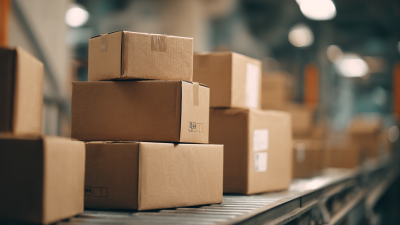
When considering cardboard packaging, understanding the types of cardboard is crucial. Paper and paperboard types vary widely. The most common types include corrugated cardboard, folding cartons, and paperboard. Each type serves specific purposes based on strength, weight, and durability.
Corrugated cardboard is popular for shipping. It offers structural integrity due to its fluted layer. This type can withstand significant pressure. According to industry reports, the global corrugated packaging market is expected to reach over $300 billion by 2026. Folding cartons, however, make an ideal choice for retail. These cartons are versatile and can be customized easily. They contribute to around 40% of the cardboard packaging market.
Tips: Always consider the weight of the product when choosing packaging. Heavier items require sturdy options like corrugated cardboard. Customize designs to enhance brand visibility. Use eco-friendly materials to improve sustainability. Reflecting on your choices helps identify areas for improvement in packaging.
Another important type is chipboard, commonly used for lightweight products. It is less durable than corrugated cardboard but offers a cost-effective option. Industry insights reveal that over 30% of brands prefer it for simple packaging needs. Assessing the right type for your product is vital for efficiency and cost-effectiveness.
When selecting cardboard packaging, several key factors come into play. Understanding the product's requirements is crucial. Different products demand varying materials and designs. Consider the weight, fragility, and size of the items. This ensures the packaging protects the contents during transit.
Cost-effectiveness is another vital aspect. An ideal packaging solution should balance quality with affordability. Buyers should weigh the expenses of materials against shipping costs. A heavier package might lead to higher transport fees. Look for options that provide strength without significant weight increases.
Sustainability is gaining importance. Eco-friendly materials can enhance brand reputation. Many consumers prefer brands that prioritize the environment. Assess the recyclability and origin of the cardboard. However, not all sustainable options perform equally. Test them under real-world conditions to ensure they meet necessary durability standards.
| Packaging Type | Material Thickness | Weight Capacity (kg) | Sustainability Rating | Cost (per unit) |
|---|---|---|---|---|
| Single Wall Box | 3-5 mm | 5-10 | Good | $0.50 |
| Double Wall Box | 5-7 mm | 10-20 | Excellent | $0.75 |
| Tuck Top Box | 3-5 mm | 3-8 | Good | $0.40 |
| Die Cut Box | 4-6 mm | 5-15 | Very Good | $0.90 |
| Folder Box | 2-4 mm | 3-6 | Good | $0.30 |
| Pizza Box | 4-6 mm | 5-10 | Excellent | $0.60 |
| Mailer Box | 3-5 mm | 3-8 | Good | $0.50 |
| Gift Box | 4-6 mm | 3-12 | Very Good | $1.20 |
| Retort Pouch | Varies | 1-3 | Good | $0.80 |
| Display Box | 5-7 mm | 10-15 | Excellent | $1.00 |
Cardboard packaging plays a crucial role in global trade. With sustainability becoming a priority, businesses seek eco-friendly options. Rigid boxes offer strength and protection. They are perfect for fragile items. Their versatility allows for various designs and sizes. Customization can enhance branding while ensuring safety during transit.
Another popular option is corrugated packaging. This type provides excellent cushioning, making it ideal for shipping. It’s lightweight yet sturdy, reducing shipping costs. Consumers appreciate its recyclability. Simple design changes can also lead to cost savings. Businesses must reflect on their choices to minimize waste.
Flat cardboard sheets offer flexibility for creative solutions. They can be tailored for specific products, ensuring a snug fit. However, designing the right size can be challenging. Some may find it hard to achieve the perfect balance between protection and aesthetics. In this competitive market, staying informed about trends is essential. Adapting to new materials can open up innovative opportunities.
This chart illustrates the popularity of various cardboard packaging options among global buyers based on their preferences and usage. The data reflects the percentage of buyers favoring each type.
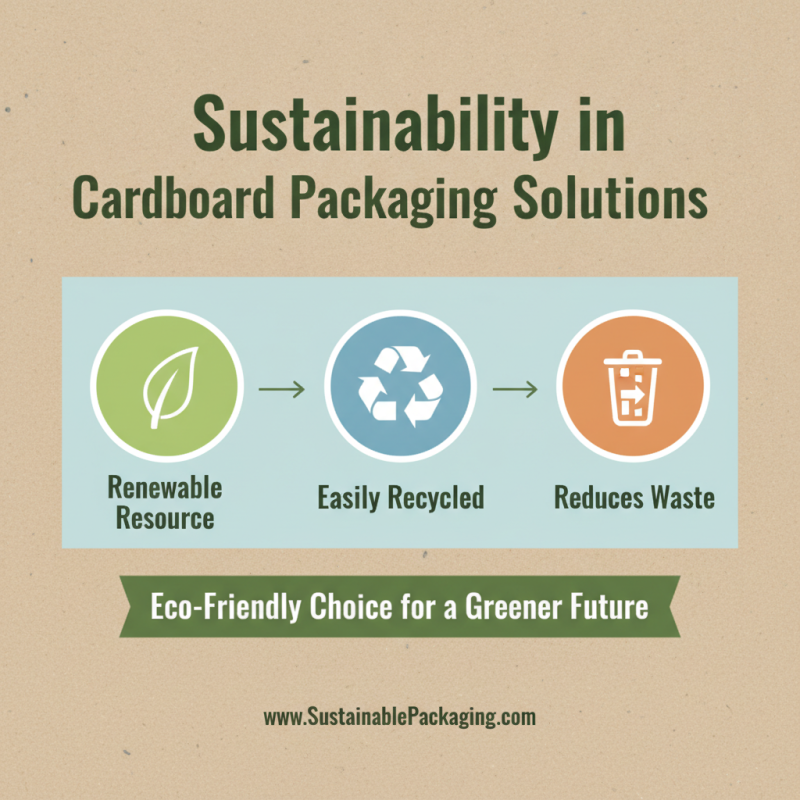
Sustainability is becoming crucial in cardboard packaging. With increasing environmental concerns, many buyers seek eco-friendly solutions. Cardboard is renewable and can be recycled easily. This makes it a preferable choice for reducing waste.
Using recycled materials is a key method for sustainable packaging. By utilizing old cardboard, manufacturers can save trees and energy. Additionally, cardboard is lightweight. This feature helps cut transportation emissions. However, some products may not maintain quality if reused multiple times. This trade-off requires careful consideration.
Non-toxic inks and adhesives improve sustainability. They ensure that the packaging is safe for both products and consumers. Yet, there is a lack of standardization in these materials. This inconsistency can be a hurdle in achieving true sustainability. As buyers, we must demand transparency in sourcing practices. Balancing performance and sustainability remains a challenge, but it is essential for our planet's future.