When selecting cardboard packaging for your business, careful consideration is essential. According to Michael Thompson, an expert in sustainable packaging, "The right cardboard can make or break your product's appeal." This sentiment highlights the importance of choosing suitable materials that not only protect the product but also enhance its presentation.
The cardboard packaging industry has evolved, offering various options tailored to different needs. From eco-friendly solutions to customized designs, businesses must assess their requirements. Each choice impacts branding, consumer perception, and environmental responsibility. However, finding the balance between cost and quality can be challenging.
It's also important to reflect on your specific product's size and weight. Not all cardboard packaging is created equal, and some options may not provide adequate support. Therefore, testing and iterating designs can lead to better outcomes. Ultimately, the right choice in cardboard packaging can significantly influence customer satisfaction and loyalty.

Choosing the right cardboard packaging is crucial for any business. Understanding your specific packaging needs can lead to better customer experiences. A recent study reveals that 72% of consumers say packaging design influences their purchase decisions. Thus, aligning your packaging with your branding is essential.
Assess the fragility of your products. Different items require different levels of protection. Simple cardboard boxes may suffice for sturdy products. However, fragile items need specialized cushioning. Consider protective inserts or extra padding.
Tips: Always account for shipping methods too. A box that’s perfect for ground shipping may not hold up for air transport. Testing prototypes can save costs and improve customer satisfaction. Evaluate your packaging throughout the supply chain. Are your boxes being damaged during transit? It’s a red flag that needs addressing.
Lastly, sustainability is increasingly important. According to industry research, 50% of consumers prefer eco-friendly packaging. Using 100% recyclable materials could enhance your brand image. However, ensure that costs remain reasonable. Balancing sustainability and budget is an ongoing challenge for many. Reflect on what matters most to your business and customers when making decisions.
| Dimension | Description | Usage | Note |
|---|---|---|---|
| Strength | The ability to withstand pressure without breaking | Heavy or fragile items | Consider thickness and types of corrugated cardboard |
| Size | The dimensions of the packaging | Fits products without excessive space | Optimal size reduces shipping costs |
| Design | Aesthetic and functional layout of the packaging | Branding and product visibility | Consider custom designs for uniqueness |
| Sustainability | Environmentally friendly materials and processes | Eco-conscious brands | Use recycled materials when possible |
| Cost | Overall expenses associated with packaging production | Budget constraints | Balance between quality and cost-effectiveness |
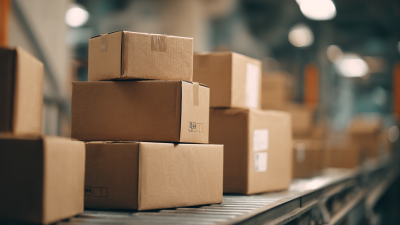
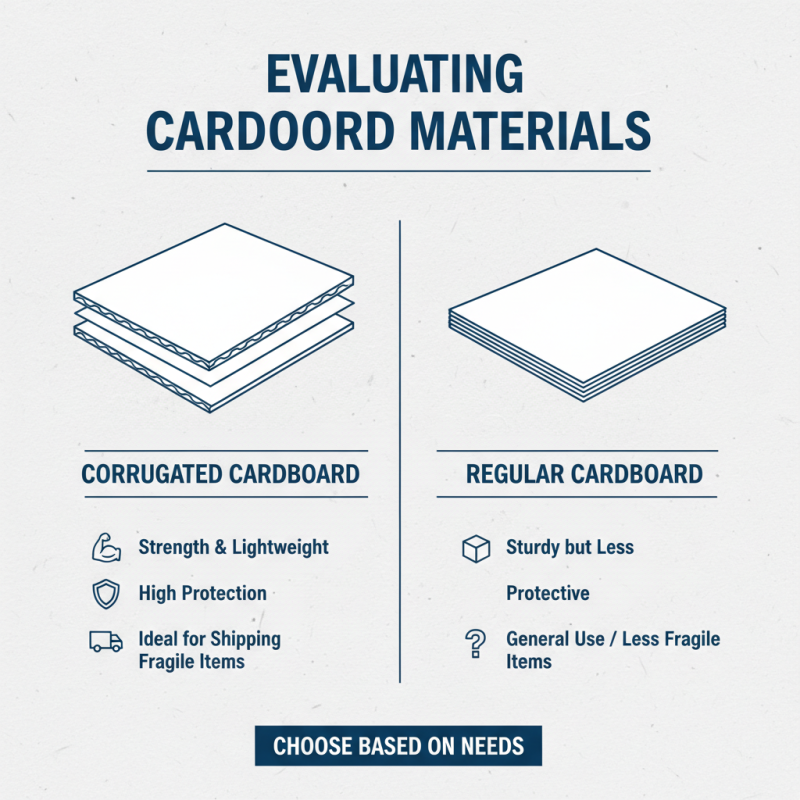
When evaluating different types of cardboard materials, it's crucial to consider their properties. Corrugated cardboard is popular for its strength and lightweight nature. It's good for shipping fragile items. Regular cardboard, while sturdy, may not offer the same level of protection. Each option caters to different needs.
Tips: Always assess your product's weight and fragility. This ensures you choose cardboard that can withstand transportation. Test your cardboard choices before making bulk purchases.
Recycled cardboard is an eco-friendly option. It’s lighter and often more affordable. However, its durability can vary. This may not be ideal for heavy items. Balance sustainability with your product requirements.
Tip: Consider the environmental impact of your packaging. Customers appreciate sustainable choices. Evaluate the thickness of cardboard as well. Thicker options generally provide better protection. Reflect on what works for your specific business needs.
Choosing the right cardboard packaging involves understanding the unique needs of your products. Assessing size and strength is essential. Start by measuring your items precisely. Consider the dimensions and weight of each product. If your products are fragile, thicker cardboard might be necessary. Using the wrong size can lead to damaged items during transport.
It’s also important to think about how your items will be stored. If they need to be stacked, choose sturdier materials that won’t buckle under pressure. Sometimes, businesses opt for standard sizes to save costs, but this can backfire if items do not fit properly. Trial and error in packaging design can reveal surprising insights into strength needs.
Reflect on past experiences with packaging failures. Maybe you’ve faced damage or returns due to inadequate packaging. Gather feedback from customers about their experience with your product’s packaging. This valuable information can guide you in making better choices. The goal is to balance cost with durability while ensuring your products remain safe and presentable.
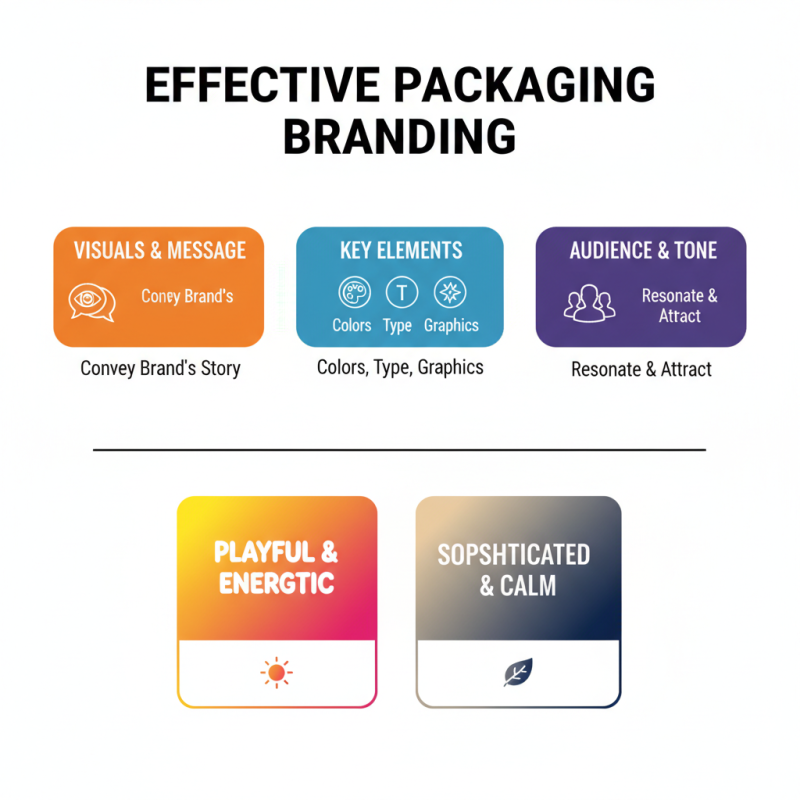
When designing packaging, effective branding and visual elements are crucial. The right visuals help convey your brand's message. Colors, typography, and graphics play a significant role. For example, a vibrant color scheme can attract attention, while muted tones may express sophistication. Think about your audience and what resonates with them.
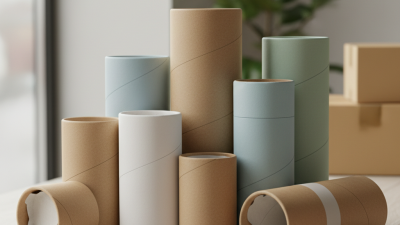
Consider the materials used. Cardboard can be customized in texture and finish. A matte finish can give a premium feel, while glossy surfaces can add vibrancy. Incorporate your logo prominently, ensuring it aligns with your brand identity. This consistency builds trust over time.
Don’t overlook packaging functionality. It should protect the product while also being visually appealing. Reflect on how your packaging stands out on the shelf. What will make customers notice your product over others? Testing different designs can lead to unexpected insights. Remember, feedback from real users can reveal strengths and areas needing improvement.
Sustainability in packaging is more crucial than ever. According to a 2021 report by NielsenIQ, 73% of consumers are willing to pay more for sustainable packaging. This trend is shifting business strategies. Companies must balance eco-friendliness with cost-effectiveness.
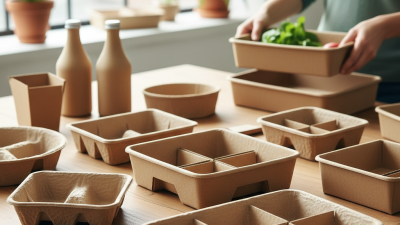
Choosing cardboard over plastic can be a smart move. Cardboard is recyclable and biodegradable, reducing landfill waste. The paper and board packaging market is projected to reach $500 billion by 2027, as reported by Smithers Pira. This growth indicates a rising preference for sustainable materials among businesses. However, sourcing sustainable cardboard can sometimes lead to higher initial costs.
Some companies mistakenly prioritize low-cost options without considering their environmental impact. Ignoring ecological factors may save money short-term but could harm brand reputation. According to a global survey by McKinsey, 61% of respondents believe companies should prioritize sustainability. Investing in sustainable cardboard packaging can enhance your brand image, making it a worthy consideration. Efficient choices today pave the way for a more sustainable future.