Packaging Specialists
Packaging | Healthcare | Moulding

Why Choose Cardboard Packaging Boxes for Your Business Needs?

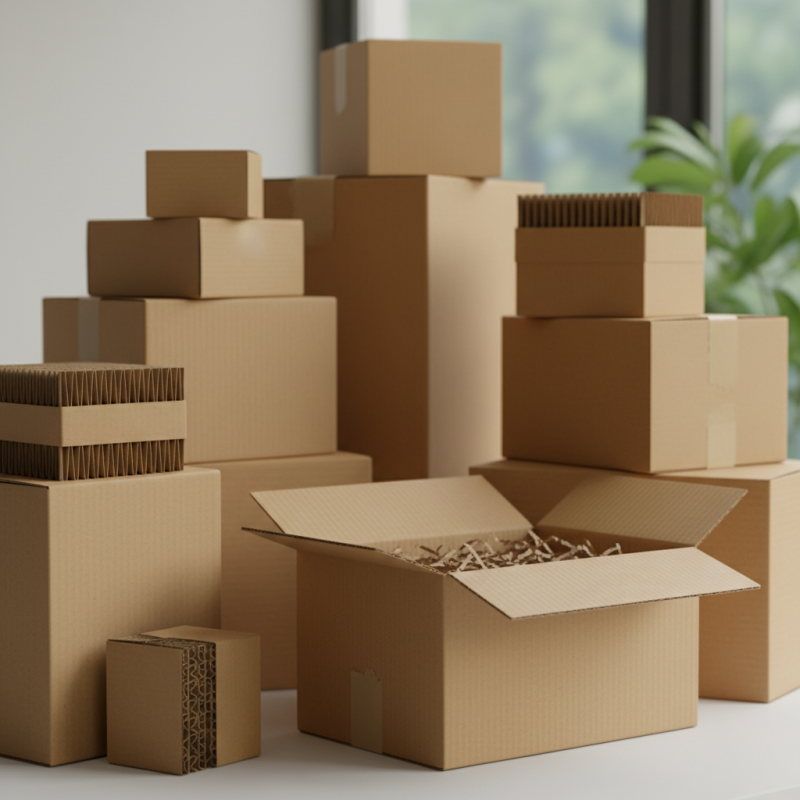
In today's competitive market, businesses are re-evaluating packaging choices. Cardboard packaging boxes are increasingly favored for their versatility and sustainability. According to a report by Smithers Pira, the cardboard packaging market is expected to reach $300 billion by 2025, driven by demand for eco-friendly solutions. This growth reflects a shift towards more responsible consumer choices.

Expert in packaging solutions, Dr. Emily Thompson, states, "Cardboard packaging boxes offer unmatched protection while supporting our planet." Such insights emphasize the importance of combining functionality with environmental consciousness. The durability of cardboard packaging boxes makes them suitable for a wide range of products, from electronics to food items.

However, not all cardboard packaging is created equal. Companies must ensure they select the right type to meet their specific needs. Failure to do so can result in damaged products and unhappy customers. Businesses should ask themselves if their current packaging strategy aligns with their sustainability goals. These reflections can guide better choices going forward.
Why Choose Cardboard Packaging Boxes for Your Business Needs?

Benefits of Cardboard Packaging Boxes for Various Industries

Why Choose Cardboard Packaging Boxes for Your Business Needs?

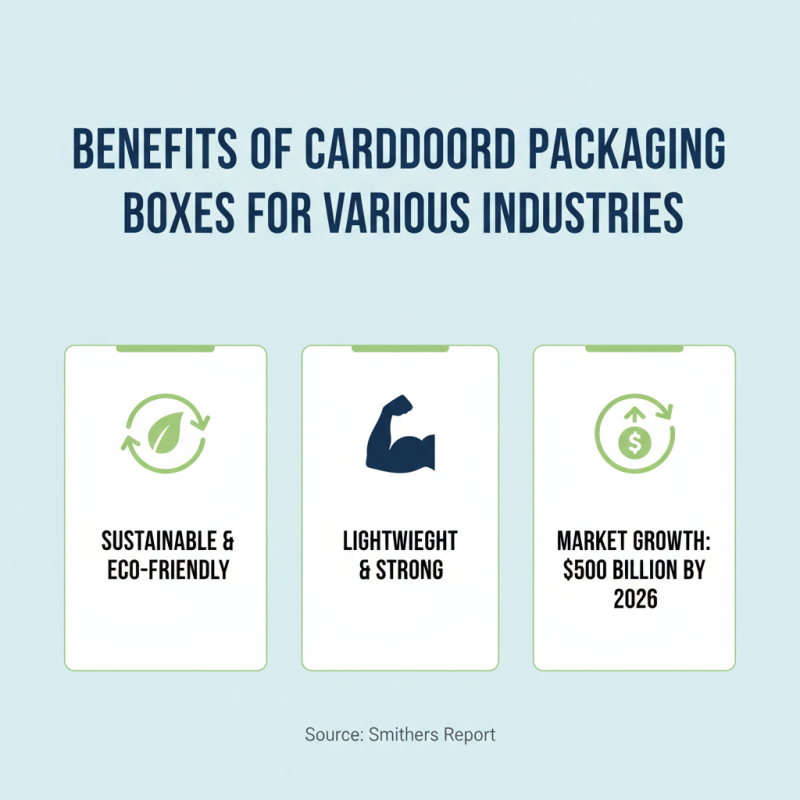
Cardboard packaging boxes are increasingly vital across various industries. Their light weight and strength make them a preferred option. According to a Smithers report, the global cardboard packaging market is projected to reach $500 billion by 2026. This growth demonstrates the rising demand for sustainable packaging.

Many businesses favor cardboard due to its environmentally friendly properties. It is recyclable and biodegradable, aligning with sustainability goals. A report by the Environmental Protection Agency reveals that cardboard accounts for about 25% of the total municipal solid waste. However, its recycling rates have improved, reaching 89% in some regions.

While cardboard is versatile, it isn't without limitations. For instance, it may not be suitable for heavy or moist products. Companies must weigh the strengths and weaknesses. In some cases, investing in more durable materials may be necessary. Still, the cost-effectiveness and reusability of cardboard often enhance its appeal. This makes it a reliable choice in various sectors, from retail to food services.

Sustainability and Environmental Impact of Cardboard Packaging

Cardboard packaging has gained attention for its sustainability and minimal environmental impact. Made from renewable resources, cardboard boxes are biodegradable. They can break down naturally without harming the planet. This aspect appeals to eco-conscious consumers and businesses alike.

The production process of cardboard typically requires less energy compared to alternatives like plastic. Many manufacturers aim to use recycled material, reducing waste. However, not all cardboard is created equal. Some may be treated with chemicals that hinder recyclability. Businesses must ensure their packaging choices align with sustainability goals.

Using cardboard packaging can significantly reduce a business's carbon footprint. It can foster a positive brand image, showcasing commitment to environmental responsibility. Balancing cost and sustainability is a common challenge. Some businesses might struggle with the higher initial investment. Reflecting on these aspects is crucial for long-term success.

Why Choose Cardboard Packaging Boxes for Your Business Needs?

Dimension Details Environmental Impact Sustainability Features
Material Composition Made from recycled paper Reduces deforestation Biodegradable
Carbon Footprint Low emissions during production Lower greenhouse gas emissions Sourced from sustainable forests
Recyclability 100% recyclable Promotes recycling culture Closed-loop recycling system
Economic Benefits Cost-effective for businesses Supports local economies Encourages sustainable practices
Consumer Preference Preferred by eco-conscious consumers Increases brand loyalty Enhances brand image

Cost-Effectiveness of Cardboard Boxes in Shipping and Storage

When it comes to shipping and storage, cardboard packaging boxes stand out for their cost-effectiveness. These boxes are lightweight, which can help reduce shipping costs significantly. The material is also easy to source, making it accessible for businesses of all sizes. Many companies are discovering that using cardboard can streamline their logistics and budgeting, allowing for better resource allocation.

Tips: Always compare cardboard box sizes to maximize space. A well-fitted box reduces movement during transit, which can lower damage rates. Additionally, consider using recycled cardboard, as it not only cuts costs but also aligns with eco-friendly practices.

Investing in cardboard boxes is a smart choice for many businesses. The flexibility they offer allows for customization, meeting various needs. However, it’s essential to regularly assess whether your cardboard boxes are holding up well. If they show wear or cannot protect contents, it’s time to reevaluate your packaging strategy. Not all boxes are created equal, and quality should never be compromised.

Cost-Effectiveness of Cardboard Boxes in Shipping and Storage

This chart compares the cost-effectiveness of cardboard boxes against plastic boxes in various dimensions such as material cost, shipping cost, storage cost, and environmental impact. Cardboard boxes are generally more cost-effective, offering lower costs and a reduced environmental footprint.

Customizability Options for Branding with Cardboard Packaging

Why Choose Cardboard Packaging Boxes for Your Business Needs?

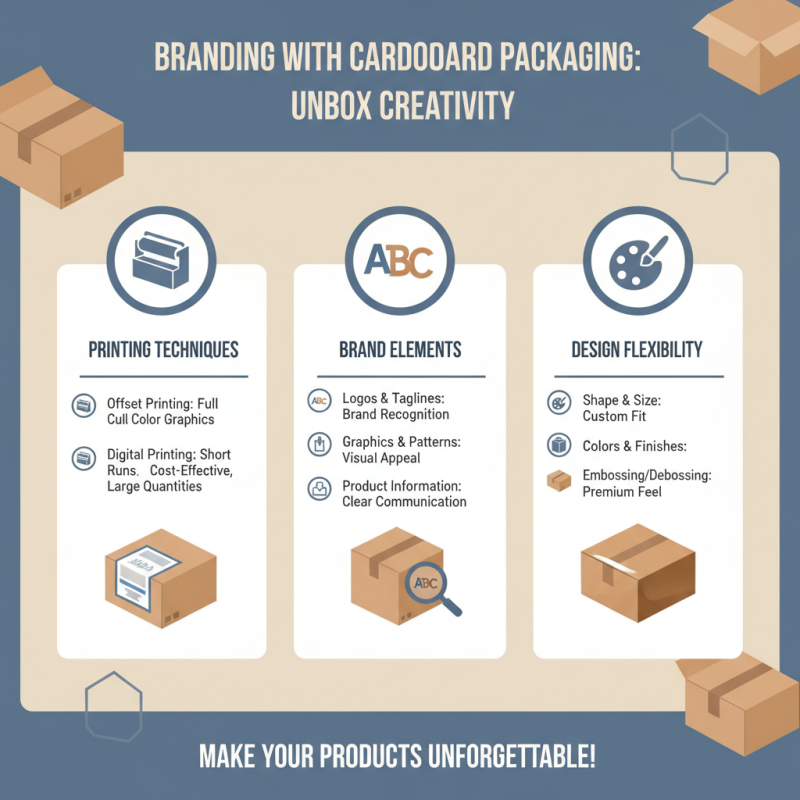
Cardboard packaging boxes offer incredible customizability options that can enhance your branding efforts. You can print logos, taglines, and striking graphics using various techniques. This flexibility allows businesses to create packaging that truly reflects their identity. With vibrant colors and unique designs, your products can stand out on store shelves.

Furthermore, specific shapes and sizes can be tailored to fit your products perfectly. This not only improves aesthetics but also enhances functionality. However, businesses may struggle with design choices or budget constraints. Testing different designs can require time and resources. It's essential to reflect on what aligns best with your brand values.

Sustainability is another aspect that resonates with today's consumers. Eco-friendly materials make cardboard boxes appealing. Yet, some may worry about the durability of these materials. Understanding the strengths and limitations of cardboard is crucial. It’s imperative to strike a balance between creativity and practicality in your packaging choices.

Protection and Durability: How Cardboard Boxes Safeguard Products

Cardboard boxes offer remarkable protection for various products. They are sturdy and shock-resistant, which helps ensure that your items arrive safely. The structure of cardboard provides a cushion against impacts during transport. This minimizes the risk of damage due to external pressures. In busy shipping environments, this resilience becomes essential.

Durability is another key feature. High-quality cardboard can withstand rough handling, moisture, and temperature changes. Such resilience makes it suitable for long-distance shipping. However, not all cardboard is created equal. Some may not provide adequate protection for heavy items. Business owners must choose the right type of box for their specific needs.

Moreover, the eco-friendly nature of cardboard adds another layer of value. It is recyclable and biodegradable, making it a responsible choice for environmentally-conscious businesses. Yet, there are areas for improvement. Companies must keep refining their packaging methods to enhance sustainability. Balancing durability with environmental responsibility remains a challenge worth addressing.