Packaging Specialists
Packaging | Healthcare | Moulding

2026 Top Cardboard Packaging Boxes for Global Buyers?

In today's evolving marketplace, cardboard packaging boxes play a crucial role for global buyers. These boxes are not only versatile but also environmentally friendly. Their lightweight nature and cost-effectiveness make them a popular choice across various industries.

As we approach 2026, trends in cardboard packaging boxes are shifting. Buyers seek innovative designs that reflect brand identity and enhance customer experience. Understanding these emerging trends is essential for businesses. However, many still struggle to balance functionality and aesthetics. This gap opens opportunities for improvement.

Reflecting on choices, some buyers may overlook sustainability. Yet, consumers increasingly value eco-friendly options. In this competitive landscape, adapting to these preferences is vital. Thus, exploring the latest cardboard packaging boxes can guide buyers toward making informed decisions and embracing responsible packaging solutions.
2026 Top Cardboard Packaging Boxes for Global Buyers?

Overview of Cardboard Packaging Boxes and Their Significance in 2026

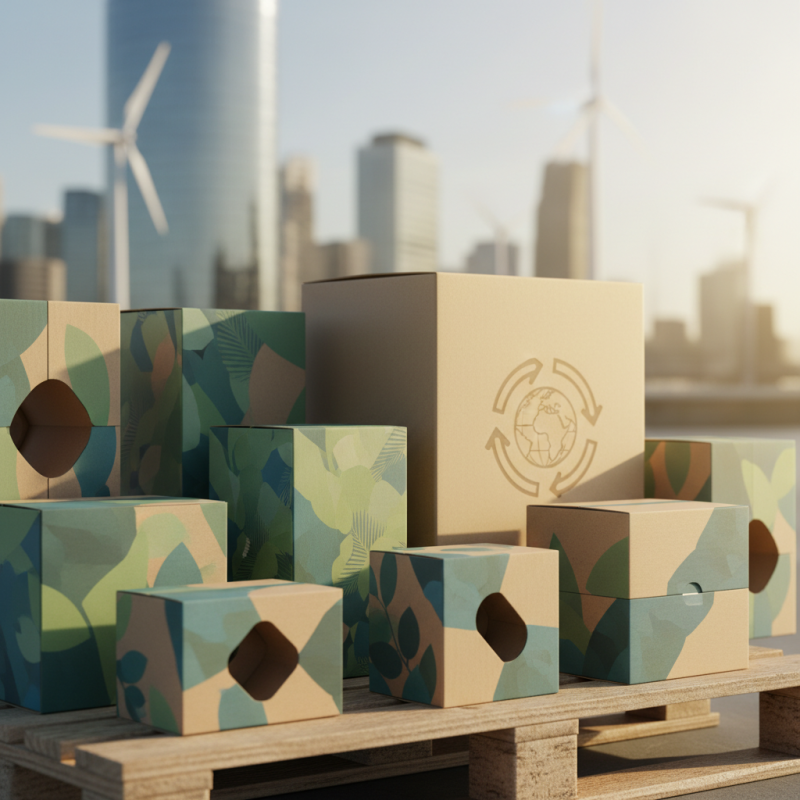
In 2026, cardboard packaging boxes hold great importance in various industries. They play a crucial role in shipping, storage, and presentation. With sustainability becoming a priority, these boxes meet eco-friendly standards. Companies are increasingly seeking packaging solutions that reduce their carbon footprint. Cardboard is recyclable and biodegradable, aligning well with global sustainability goals.

Tips: Choose boxes that are sturdy and lightweight. They should protect the contents during transit. Consider using custom designs to enhance visual appeal. This can attract consumers and increase sales.

The versatility of cardboard packaging is remarkable. It comes in different shapes and sizes to fit various products. Customization allows businesses to create unique boxes that reflect their brand identity. However, some companies might overlook the importance of quality when opting for cheaper options. This can lead to damage and loss of products.

Tips: Always assess your packaging needs before purchasing. Invest in quality materials that offer protection. Remember, well-designed packaging can communicate your brand message effectively.

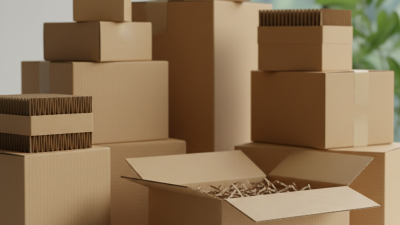
Trends Influencing Cardboard Packaging Design and Functionality

Cardboard packaging is evolving rapidly. In 2026, global buyers are seeking boxes that serve multiple purposes. Sustainability is a key trend. Consumers want packaging that is eco-friendly and recyclable. This push is reshaping design. Many companies are experimenting with materials that minimize waste and reduce carbon footprints.

Another trend is customization. Brands now offer personalized packaging to enhance customer experience. This helps to create a strong brand identity. However, balancing design and functionality can be challenging. Some designs may look appealing but fail to protect the product effectively. It raises questions about effectiveness versus aesthetics.

Moreover, digital technology is making waves in this sector. Smart packaging features, such as QR codes and blinking lights, enhance interaction. Yet, not all innovations are successful. Some may distract instead of engaging. The future of cardboard packaging relies on thoughtful design combined with practical functionality.

2026 Top Cardboard Packaging Boxes for Global Buyers? - Trends Influencing Cardboard Packaging Design and Functionality

Trend Description Impact on Design Functionality Features
Sustainability Increased demand for eco-friendly materials and processes. Use of recycled cardboard and biodegradable inks. Compostable packaging options and reduced carbon footprint.
Customization Growing interest in personalized packaging solutions. Unique shapes and sizes to reflect brand identity. Enhanced user experience through tailored designs.
Smart Packaging Integration of technology for tracking and interacting. Use of QR codes and NFC tags for enhanced engagement. Real-time monitoring and consumer interaction features.
Minimalism Preference for clean, simple designs. Focus on essential elements to convey messages. Reduced material usage while maintaining protection.
E-commerce Adaptation Shift towards packaging designed for online sales. Stronger, more protective structures to withstand shipping. Easy-to-open designs that enhance customer satisfaction.

Top Global Manufacturers of Cardboard Packaging Boxes in 2026

The cardboard packaging industry is evolving rapidly. In 2026, several manufacturers are expected to dominate the global market. These companies focus on innovation, sustainable practices, and quality. Their cardboard packaging solutions cater to diverse needs, including retail, food, and electronics. Buyers around the world seek reliable sources that prioritize durability and eco-friendliness in their products.

Tip: Choose suppliers who demonstrate a commitment to sustainability. Look for certifications that indicate eco-friendly practices. It’s essential to ensure that the materials used are recyclable or biodegradable. This choice not only benefits the environment but also appeals to consumers who are increasingly eco-conscious.

Quality control remains crucial in cardboard packaging. Many manufacturers invest in advanced technology to enhance production processes. It is vital for global buyers to assess the consistency in quality. Some suppliers may struggle with maintaining high standards across all products. Regular evaluation and feedback loops can help ensure quality integrity in the long term.

Tip: Establish clear communication channels with your suppliers. Address any concerns promptly to resolve issues before they escalate. Building a strong relationship can lead to better service and products tailored to your needs. This proactive approach enhances trust and reliability in your supply chain.

2026 Cardboard Packaging Market Overview

Sustainability Practices in the Cardboard Packaging Industry

2026 Top Cardboard Packaging Boxes for Global Buyers?

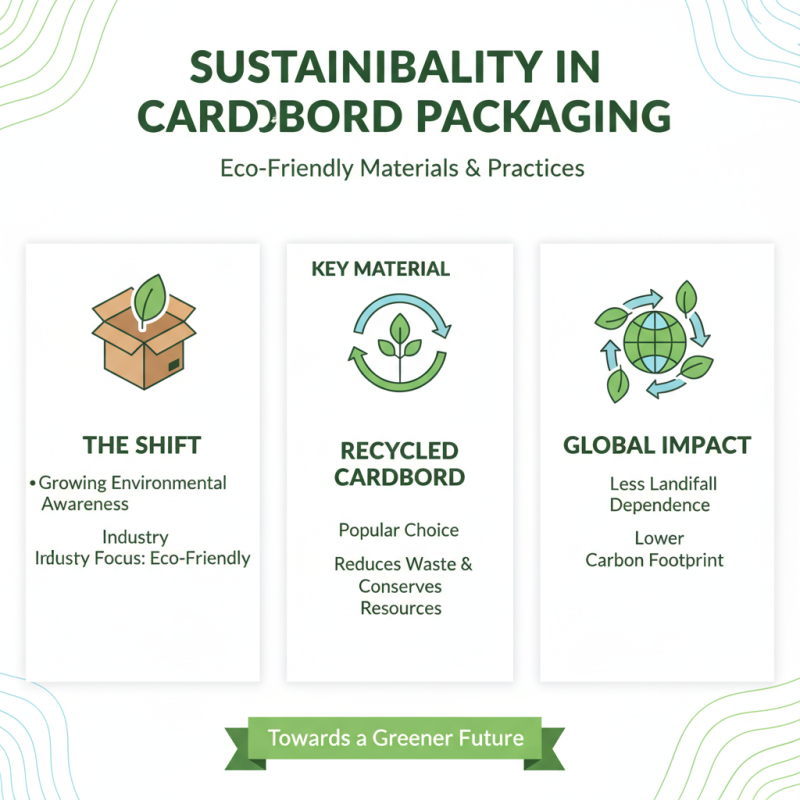
Sustainability is gaining traction in the cardboard packaging industry. Today, many companies focus on eco-friendly materials. This shift reflects a growing awareness of environmental impact. Recycled cardboard is a popular choice. It reduces waste and conserves resources.

To enhance sustainability, organizations can adopt several practices. For instance, optimizing package design minimizes material use. Additionally, companies should ensure energy-efficient manufacturing processes. Implementing these strategies not only benefits the planet but also boosts brand reputation.

Tips:
- Encourage suppliers to use sustainable materials.
- Educate customers about recycling options.
- Constantly evaluate and improve sustainability initiatives.

However, the journey towards full sustainability is not without challenges. Some firms struggle with recycling logistics. Others find it difficult to balance cost and eco-friendliness. Reflecting on these issues is key for continuous improvement in sustainable practices.

Innovative Features to Look for in 2026 Cardboard Packaging Solutions

In 2026, innovative features in cardboard packaging will redefine industry standards. Currently, the global cardboard packaging market is projected to grow at a CAGR of 4.4%, reaching $450 billion by 2026. Companies are constantly seeking new ways to enhance product protection while reducing environmental impact.

One noteworthy trend is the incorporation of smart packaging technology. Sensors embedded in boxes can monitor temperature and humidity levels. This feature is crucial for products that require specific storage conditions. According to a recent report, nearly 30% of packaged goods face spoilage due to inadequate storage. Utilizing smart packaging could significantly reduce this issue and improve supply chain efficiency.

Sustainability remains a top concern for consumers. In response to this demand, many manufacturers are investing in renewable materials for their cardboard boxes. Biodegradable coatings and recycled fibers are gaining traction. However, some industries still lag in adopting these practices. The challenge lies in balancing cost and eco-friendliness. As companies strive for sustainability, more robust metrics are needed for evaluating green credentials.