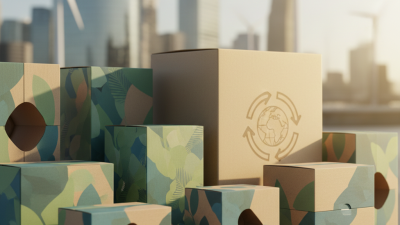
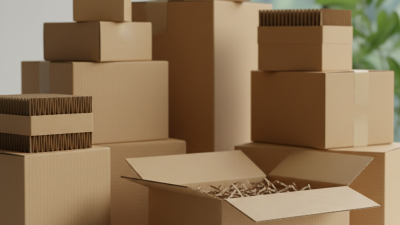
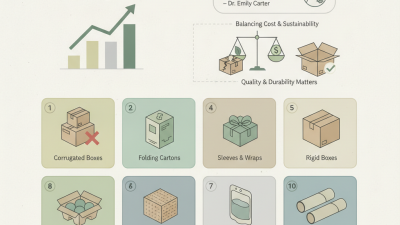
In the ever-evolving world of packaging, cardboard packaging boxes have emerged as a crucial element for global buyers in 2026. According to packaging industry expert, Alex Johnson, "The future of packaging lies in sustainable and efficient solutions." His insights highlight the growing importance of eco-friendly materials and innovative designs.
As more companies prioritize sustainability, the demand for high-quality cardboard packaging boxes has surged. These boxes not only protect products but also serve as effective marketing tools. Recent trends show an increased preference for custom designs that reflect brand identity. It’s an opportunity for businesses, yet also a challenge.
The array of options can overwhelm buyers. Selecting the right supplier is critical. Investing in cardboard packaging boxes that are durable and visually appealing is essential. Still, many vendors struggle to meet these diverse needs. Reflecting on past mistakes can guide future purchases. Understanding what works and what doesn’t is key to making informed decisions.
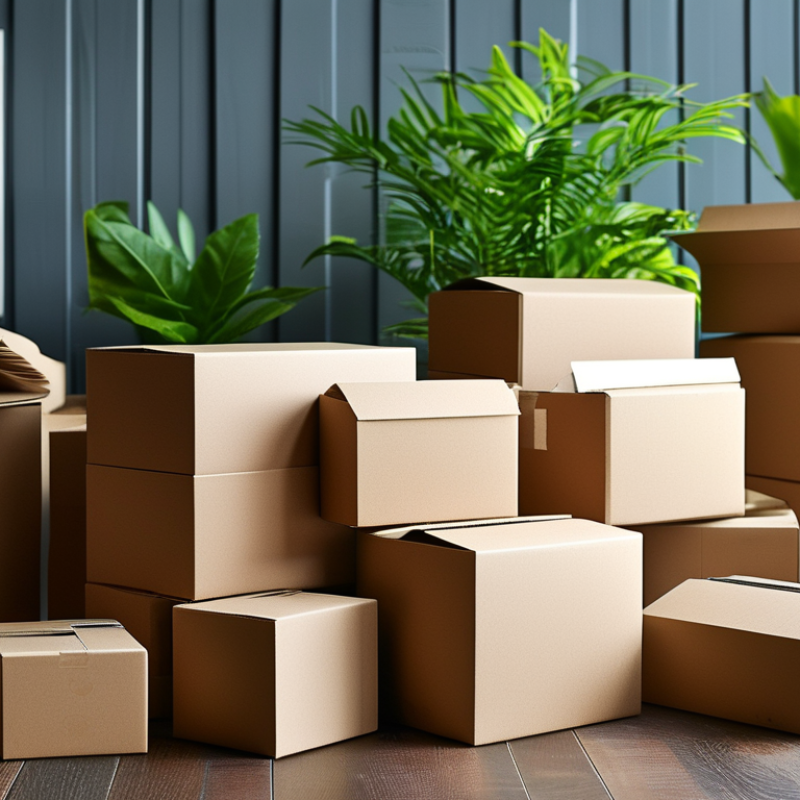
The cardboard packaging box industry is evolving rapidly. Buyers should keep an eye on key trends for 2026. Sustainable materials and innovative designs are in high demand. Brands aim to reduce their carbon footprint. Consumers appreciate eco-friendly options that are both functional and appealing.
Cost-effective production methods are also gaining traction. Manufacturers are investing in technology to enhance efficiency. This trend can lead to lower costs for buyers. However, not every company prioritizes quality over price. Some may compromise on durability in pursuit of cost savings. Careful evaluation is necessary.
When choosing packaging, consider its environmental impact. Recyclability and biodegradability matter to consumers today. Look for companies that emphasize sustainability in their production processes. Quality and design should not take a backseat. Balance between eco-friendliness and aesthetics is crucial. The market is competitive, so distinctive designs can attract attention. Keep these factors in mind for effective purchasing decisions.
Cardboard packaging has evolved significantly, becoming a primary choice for businesses worldwide. A recent study highlighted that 70% of consumers prefer eco-friendly packaging. This statistic indicates the demand for sustainable solutions. Cardboard boxes are easily recyclable, appealing to environmentally conscious shoppers.
One key feature of cardboard packaging is its versatility. It can be customized in size, shape, and design to meet specific product needs. Research shows that 90% of consumers are influenced by packaging design when making a purchase. Unique designs can enhance consumer appeal, making products stand out on shelves. Packaging that tells a story or reinforces a brand identity can resonate more profoundly with consumers.
Moreover, the structural integrity of cardboard boxes adds to their appeal. They protect products during transit and ensure safe delivery. Data reveals that packaging damage is a leading cause of customer dissatisfaction, prompting the need for reliable solutions. Investing in robust cardboard packaging directly impacts brand reputation and repeat purchases. Even with these strengths, it's essential for businesses to continuously seek improvements that align with changing consumer preferences.
Cardboard packaging has become a focal point for sustainability efforts worldwide. Recent statistics reveal that 70% of consumers prefer eco-friendly packaging materials. Cardboard is recyclable and biodegradable, making it an ideal choice. However, industries still struggle with waste management. Many companies face challenges in sourcing sustainable cardboard that meets both performance and eco-friendly criteria.
Future projections indicate a promising trend. Experts anticipate that by 2026, the demand for sustainable cardboard packaging will rise significantly. Innovations in production are expected to enhance recyclability. Yet, not all packaging solutions are created equal. The need for transparency remains crucial. Companies must disclose sourcing practices and environmental impacts. This will foster trust among consumers deeply concerned about sustainability.
Despite the positive outlook, challenges persist. Not every cardboard option is created equally effective or sustainable. Brands need to think critically about their packaging choices. Awareness and education around packaging waste are still lacking. Incremental improvements and rigorous assessments will be essential for advancing sustainable practices in cardboard packaging.
The global cardboard packaging market continues to evolve, driven by sustainability trends and consumer demand. According to recent industry reports, the market is projected to grow at a CAGR of 4.5% from 2022 to 2027, reflecting the increasing preference for eco-friendly materials. Many suppliers are adapting their production processes to meet these rising standards. This adaptation ensures a competitive edge in a crowded market.
Among the notable trends is the increase in demand for custom designs. Customization allows businesses to differentiate their products effectively. In fact, data shows that over 30% of buyers prioritize custom packaging in their purchasing decisions. However, some suppliers struggle with delivery timelines. Inadequate logistics planning can lead to delays, impacting customer satisfaction. Ensuring timely deliveries while maintaining quality is a challenge many face.
The analysis of global suppliers reveals a mixed bag of performance levels. Some excel in material sourcing, while others fall behind in sustainability practices. Transparency in sourcing leads to better consumer trust. However, some companies remain vague about their processes, raising questions about their commitment to sustainability. Buyers should consider these nuances when selecting packaging partners to align with their values and operational needs.
| Supplier Region | Box Type | Material Quality | Customization Options | Average Price (per unit) | Lead Time (days) |
|---|---|---|---|---|---|
| North America | Standard Boxes | Premium | Yes | $1.50 | 10 |
| Europe | Custom Shapes | Standard | Yes | $2.00 | 15 |
| Asia | Folding Boxes | Eco-Friendly | Limited | $0.75 | 12 |
| South America | Die-Cut Boxes | High Grade | Yes | $2.50 | 20 |
| Africa | Mailer Boxes | Standard | No | $1.20 | 18 |
Cardboard packaging has gained traction across various industries for its cost-effectiveness. It provides a budget-friendly solution without compromising quality. Businesses appreciate how these boxes can reduce shipping costs due to their lightweight nature. Moreover, cardboard is easily customizable, which allows companies to create unique branding opportunities.
In sectors like food and retail, cardboard packaging is not only economical but also eco-friendly. Many consumers are leaning towards sustainable options. As a result, companies using recyclable materials often enhance their market appeal. However, selecting the right type of cardboard can be a challenge. Different thicknesses and finishes may affect durability and presentation.
Many firms overlook the importance of proper design. The aesthetic of a box can influence consumer purchasing decisions. Opt for designs that reflect your brand while being functional. Evaluate the strength required to protect your products during transit. A balance between sustainability and presentation is essential for lasting success.