What Are the Best Types of Packaging Containers?
Packaging containers shape how products travel, sit on shelves, and reach customers intact. A glass jar feels reassuring in the hand; a lightweight pouch takes less room in a delivery box. Yet no single format is best for every product. Moisture, oxygen, breakage risk, filling equipment, transport distance, and disposal options all matter. Small details matter, too: a sharp corner can puncture a pouch, while a poorly fitted lid can compromise a container’s seal.
The scale of the issue is substantial. The OECD’s Global Plastics Outlook reports that packaging generated about 40% of global plastic waste in 2019. That figure concerns plastic waste, not the full environmental footprint of every packaging material. It also does not prove that one container type is always preferable. That distinction matters. Comparing options requires looking beyond weight or recyclability claims to product protection, material use, reuse potential, and local recovery systems. A heavier glass container, for example, may protect a product well but increase shipping weight. A flexible pack may use less material yet be difficult to recover in some communities.
This guide compares glass, metal, paperboard, rigid plastics, and flexible packaging. It examines their practical strengths, common limitations, and suitable uses. The evidence can narrow choices, but it cannot replace product-specific testing. Real-world results vary. A careful choice starts with the product, the supply chain, and the destination after use.
How Packaging Containers Are Classified by Form and Function
What Are the Best Types of Packaging Containers?
Packaging containers are commonly classified by form and function. By form, they may be rigid, semi-rigid, or flexible. Glass jars, metal cans, and molded tubs hold their shape under pressure. Folding cartons offer structure but can bend when wet. Pouches and bags use less material and fit easily into shipping cases. Small details matter: a narrow bottle neck controls pouring, while a wide jar opening makes scooping easier. Simple, but useful.
Function describes what a container needs to do. Some containers protect products from moisture, light, or oxygen. Others make dispensing, carrying, or portioning more convenient. A pump bottle can reduce spills, while a resealable pouch helps keep dry contents contained between uses. For shipping, stacked cartons or sturdy drums may reduce crushing and leakage risks. Still, a neat classification can miss the real challenge: a container may work well on a shelf but fail during transport. Testing with the actual product is more reliable than choosing by appearance alone.
Tips: Match the container to the product’s weight, sensitivity, and expected use. Check closures, seams, and labels after filling, not just on an empty sample. Keep a few filled packages in warm and cool conditions, then inspect for leaks or distortion. Small flaws can matter.
Common Types of Packaging Containers and Their Uses
Common Types of Packaging Containers and Their Uses
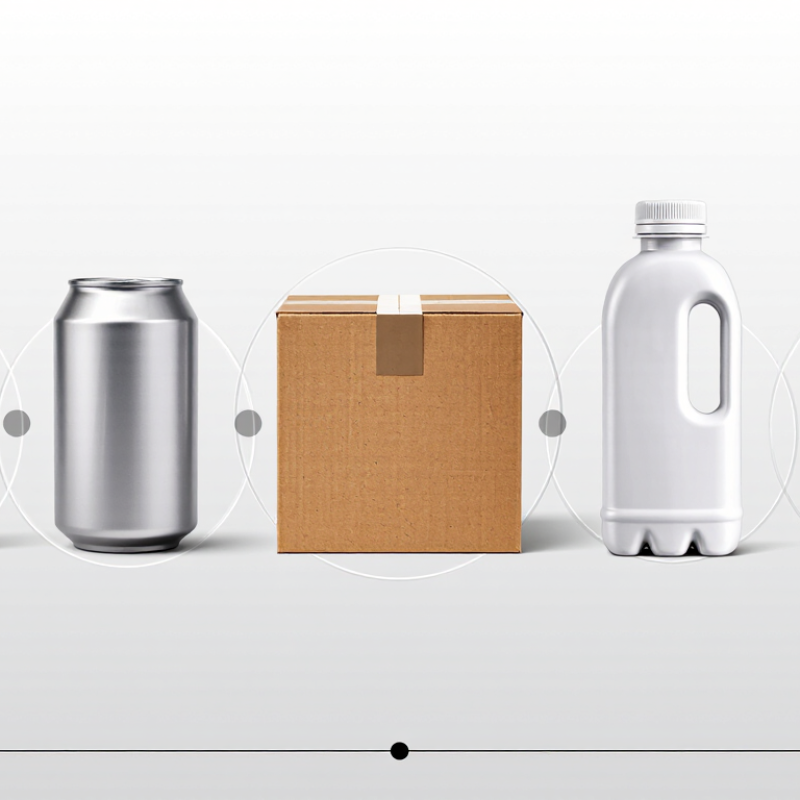
Choosing a container means matching the product with its journey. Corrugated boxes protect heavier goods during shipping, while paperboard cartons suit dry foods and household items on shelves. Glass jars work well for sauces and preserves because they resist moisture and do not readily affect flavor. They are heavy, though, and can break if cushioning is poor.
Metal cans offer strong protection from light and air, making them useful for drinks and shelf-stable foods. Plastic bottles and tubs are light and practical for liquids, personal-care products, and chilled foods. Flexible pouches save storage and shipping space for snacks or powders, but layered materials may be difficult to sort in local recycling systems. Trade-offs remain.
The U.S. Environmental Protection Agency reported that containers and packaging generated 82.2 million tons of municipal solid waste in 2018, or 28.1% of the total. The figure comes from its Advancing Sustainable Materials Management: Facts and Figures 2018 report; it is useful context, but not a current global measure. In practice, check product weight, breakage risk, shelf life, and local collection options before choosing a format. The “best” container can still be a compromise.
Common Packaging Container Materials: Typical Density
Compare the approximate density of materials used for everyday packaging containers.
PET is commonly used for beverage bottles, HDPE for bottles and jugs, glass for jars, aluminum for beverage cans, and steel for food cans. Values are approximate material densities at room temperature; actual container weight also depends on its shape and wall thickness.
Materials Used to Make Packaging Containers
What Are the Best Types of Packaging Containers?
Materials Used to Make Packaging Containers
The right container material depends on the product, shipping conditions, and disposal options. Paperboard is light and easy to print on, but moisture can weaken it. Glass resists chemical interaction and preserves flavor, yet it is heavy and can break during transport. Aluminum and steel offer strong barriers against light and air. Their weight and recycling access vary by format and location. Plastics can be lightweight and moisture-resistant, though mixed layers may complicate sorting.
The U.S. Environmental Protection Agency’s Advancing Sustainable Materials Management report estimated that containers and packaging generated 82.2 million tons of municipal solid waste in 2018, or 28.1% of the total. That figure shows the scale of packaging waste, but it does not compare the full life-cycle impact of each material. A lighter package may reduce shipping weight, yet still perform poorly if it damages easily or cannot be sorted locally. The details matter.
Tips: Match material to the product’s real needs. Check whether local facilities accept the container, and test it with the actual product before ordering at scale. A paper box may look sturdy on a desk, then soften in a damp delivery area. That is easy to overlook.
Key Features That Determine Container Performance
What Are the Best Types of Packaging Containers?
Key Features That Determine Container Performance
A container performs well when its material, shape, and closure suit the product and its journey. The OECD’s Global Plastics Outlook (2022) reports that packaging generated 40% of global plastic waste in 2019. That figure makes end-of-life design worth considering alongside protection and cost. A chilled sauce, for example, needs a leak-resistant seal and enough barrier protection to preserve quality. Small leaks matter.
Barrier performance, impact resistance, and weight all affect real-world results. Glass provides a strong barrier but can add shipping weight. Flexible pouches use less material, though sharp corners or rough handling may damage them. Paperboard cartons can be light, but moisture can weaken their structure. The US Environmental Protection Agency recorded 82.2 million tons of containers and packaging in municipal solid waste in 2018, or 28.1% of the total. These figures describe waste volume, not the full environmental impact of each container.
Closures deserve practical testing. A cap that seals on the production line may loosen after vibration, temperature changes, or repeated handling. Test samples with the actual product, not just water; viscosity and acidity can change how materials perform. I have seen teams focus on drop-test results and overlook how easily a package opens. That is an imperfect measure of performance. Check seal integrity, stacking strength, and compatibility with local recycling systems before choosing a format.
How to Choose a Container for a Product’s Needs
Choose a container by starting with the product, not its appearance.
A dry powder may need a moisture barrier and a wide opening; an aromatic oil may need light protection and a closure that resists leaks. Glass, metal, rigid plastic, and flexible packs each solve different problems. Check product compatibility, filling temperature, shipping knocks, storage time, and how customers will dispense the contents.
A container that works on a shelf can still fail in a warm delivery van.
End-of-life matters, but “recyclable” does not guarantee local collection.
The US EPA’s 2018 Advancing Sustainable Materials Management report estimated that containers and packaging made up
82.2 million tons, or 28.1%,
of US municipal solid waste. That matters. Treat the figure as a US snapshot, not a global rule. Compare total material use, protective performance, and local recovery options before choosing a format. Then test filled samples for leaks, breakage, label adhesion, and product changes during storage.
Test it early.
A lighter pack may reduce shipping weight, yet need extra layers or damage more easily. I would not assume the simplest-looking option is the best one; real transport tests can prove otherwise.