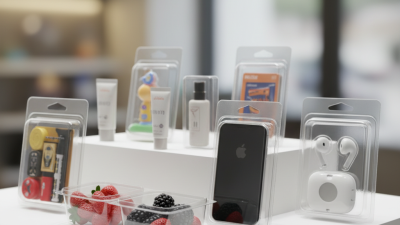
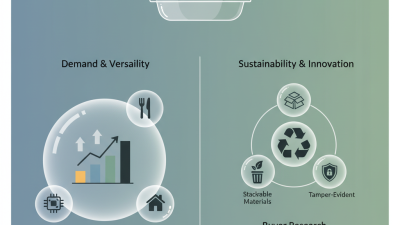
Clear packaging helps products remain visible on crowded shelves, but appearance is only part of the buying decision. Buyers also compare material consistency, sealing performance, print quality, lead times, and the supplier’s ability to scale production. Smithers’ The Future of Global Packaging to 2028 estimates that the global packaging market was worth about US$1.05 trillion in 2023 and may reach US$1.23 trillion by 2028. The forecast reflects a broad industry, not demand for transparent packaging alone. Still, it shows why manufacturers compete on more than price.
Details matter. OECD’s Global Plastics Outlook (2022) reports that packaging represented 40% of global plastic waste generated in 2019. That figure is not a verdict on clear packaging; it is a reason to ask about material choices, lightweighting, and end-of-life options. This guide examines ten Chinese manufacturers through practical criteria: product range, customization, quality documentation, production capability, and export experience. Company claims can be useful, but they are not independent proof. A shortlist cannot replace sample testing or a factory audit. Some supplier information may also be difficult to verify from public sources. That limitation deserves attention. The aim is to give buyers a grounded starting point for comparing manufacturers, rather than presenting a definitive ranking or a substitute for due diligence.
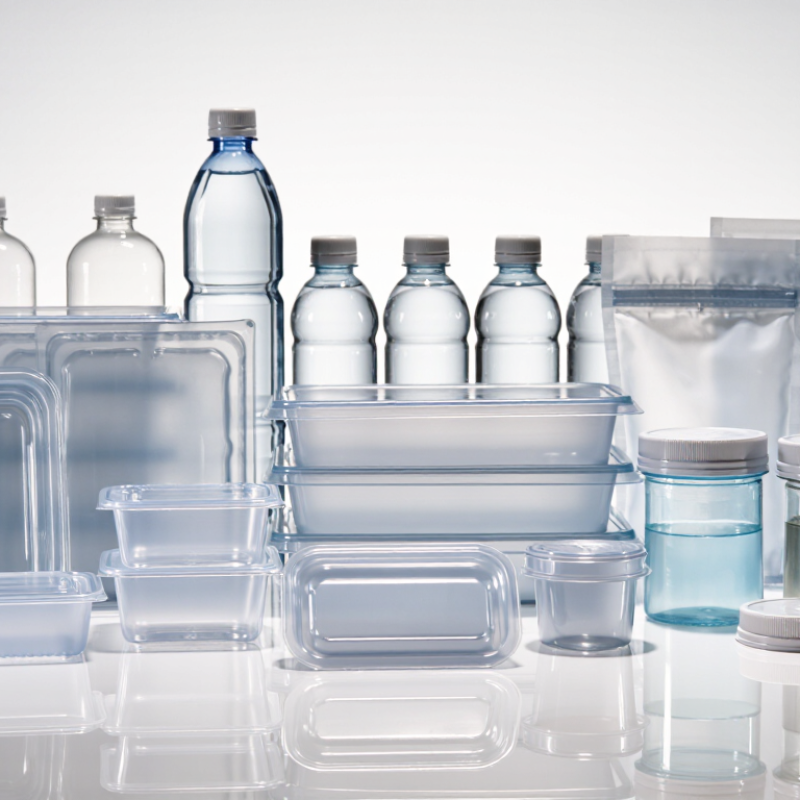
Clear packaging includes transparent bottles, trays, boxes, clamshells, films, and pouches. Common materials include PET, PP, and certain clear films. Each offers different levels of rigidity, clarity, and moisture protection. The right choice depends on the product, filling process, and expected handling. A crisp display matters, but so does protecting edges and seals.
You’ll see clear packaging around fresh produce, bakery items, cosmetics, household goods, and small electronics. A hinged tray can keep pastries visible while limiting contact. A transparent bottle helps shoppers judge a liquid’s color and fill level. For electronics, molded inserts hold delicate parts in place and make them easy to inspect. Clear does not mean suitable for every product; light-sensitive contents may need tinted or opaque protection.
Tips: Check clarity, seal strength, and fit using a filled sample. Look for clouding, sharp edges, or loose closures after handling. Ask suppliers for material and food-contact documentation when relevant. Visibility can improve presentation, though fingerprints and scratches show quickly. That detail is easy to overlook.
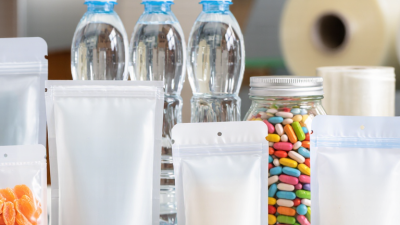
A credible comparison starts with measurable product performance, not glossy sample photos. Buyers can request clear-film or container samples and compare light transmission, haze, thickness variation, and sealing strength. ASTM D1003 provides a recognized method for measuring haze and luminous transmittance in transparent plastics. The method helps turn “looks clear” into a testable result. Small details matter. A cloudy edge or uneven wall can affect shelf presentation and packing-line consistency.
Manufacturing quality also depends on repeatability. Review inspection records, batch traceability, defect rates, and the supplier’s process for handling rejected lots. Ask for test results from more than one production batch; a single perfect sample proves little. OECD’s Global Plastics Outlook (2022) estimates that packaging accounted for 40% of global plastic waste in 2019, making material efficiency and practical end-of-life options relevant evaluation points. Compare material use per package and request clear, specific information about recyclability rather than relying on broad claims. These checks are useful, but no scorecard is perfect: test conditions can differ, and a lab sample may not match a full production run. A factory visit or independent sample testing can expose that gap.
China’s clear-packaging market includes several useful supplier profiles. These are capability-based, not a verified ranking of named firms. A PET sheet producer supplies clear rolls for downstream forming. A thermoforming specialist makes trays with defined cavity depths. A clamshell maker focuses on hinged closures and secure edges. A food-container producer offers lids that need consistent fit. A cosmetic-packaging workshop may make clear jars and caps. Details matter.
A blister-packaging supplier forms shallow cavities for retail display. An injection-molding factory produces rigid cases with repeatable dimensions. An extrusion-focused manufacturer can support custom sheet thicknesses. A printing and converting shop adds labels or surface decoration. An integrated exporter may coordinate design, forming, packing, and shipping. Check samples for haze, sharp edges, wall thickness, and closure strength. Ask for material specifications and relevant test records. A polished sample is not enough; production batches can vary. I would compare tolerances and communication, not just quoted prices. This approach is imperfect, but more dependable than treating “top” as a fixed rank.
Comparing ten clear-packaging manufacturers in China works best through product fit, not a single ranking. Some focus on PET or PVC thermoformed trays, while others make transparent folding boxes, sleeves, or rigid presentation cases. A tray maker may handle tight cavities for cosmetics or electronics, yet offer limited print finishing. A carton specialist may provide crisp creases, spot color, and window patches, but not deep-drawn shapes. Ask for material thickness, usable dimensions, and sample tolerances. Small differences show up fast.
Capabilities also differ in tooling, decoration, and production control. Check whether a supplier builds molds in-house, supports artwork checks, and can provide a pre-production sample. Ask how staff inspect clarity, edge cracks, glue seams, and color variation under ordinary light. Request written specifications for resin type, thickness, packing method, and acceptable defects. This is practical, not glamorous. Lead time and minimum order quantity matter, especially when a design is still changing. A catalog cannot prove consistent output; compare recent samples from the same product category. One weak point: samples may be hand-finished better than bulk orders. Confirm how the factory monitors repeat runs before choosing a partner.
Choosing a clear packaging manufacturer starts with the product, not a glossy sample. Specify material, thickness, dimensions, clarity, sealing method, and intended use. Ask how the factory controls variation between production runs. A film that looks transparent on a desk may haze, wrinkle, or tear on a fast packing line. Test samples on your actual equipment.
Capacity matters, but so do traceability and process records. Request material specifications, inspection criteria, batch identification, and recent quality data. UNEP’s 2023 report, Turning off the Tap, notes that packaging uses about 36% of plastics produced worldwide. OECD’s Global Plastics Outlook reports that packaging generated around 40% of plastic waste in 2019.
Check whether the manufacturer can explain its defect limits, lead times, minimum order quantities, and change-control process in writing. Ask for a pilot run before committing to large volumes. Details matter. Compare finished samples after sealing, stacking, and transport simulation, rather than judging clarity alone. I would also revisit the specification after the first production run; real handling can reveal weaknesses that a sample review misses. A polished presentation is useful, but repeatable results are better evidence.