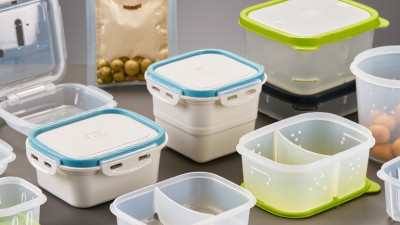
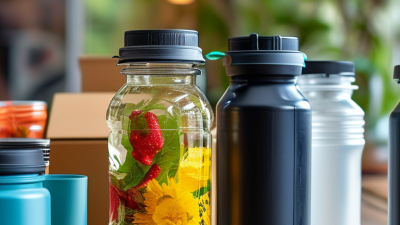
Choosing plastic clamshell containers is less about picking a clear box and more about matching packaging to the product, handling, and buyer expectations. A bakery muffin, cut fruit, and a small electronics part need different protection. Start with the item’s dimensions, weight, moisture, and likely journey from packing line to customer. Then compare usable interior space, hinge strength, lid fit, stacking stability, and how easily staff can open and close each sample.
Small details matter. A lid that pops open in a delivery bag can undo an otherwise good choice. For fresh foods, check whether ventilation, condensation control, and visibility suit the product. Excessive airflow can dry some items, while trapped moisture may affect others. Ask suppliers for material specifications, performance data, and relevant food-contact documentation when the container will touch food. Confirm that the material and design fit your filling process, storage temperatures, and local recycling options. “Recyclable” on a sales sheet is not a complete answer; collection systems differ by location.
Test real samples before committing to a large order. Fill them, stack them, chill or transport them as intended, and inspect the closures afterward. Compare unit cost with breakage, packing speed, and storage space—not price alone. One awkward truth: the “best” container may still be a compromise. A lighter design may save material but feel less secure, while a stronger one may take more room. This guide outlines practical checks for making a sound choice in 2026.
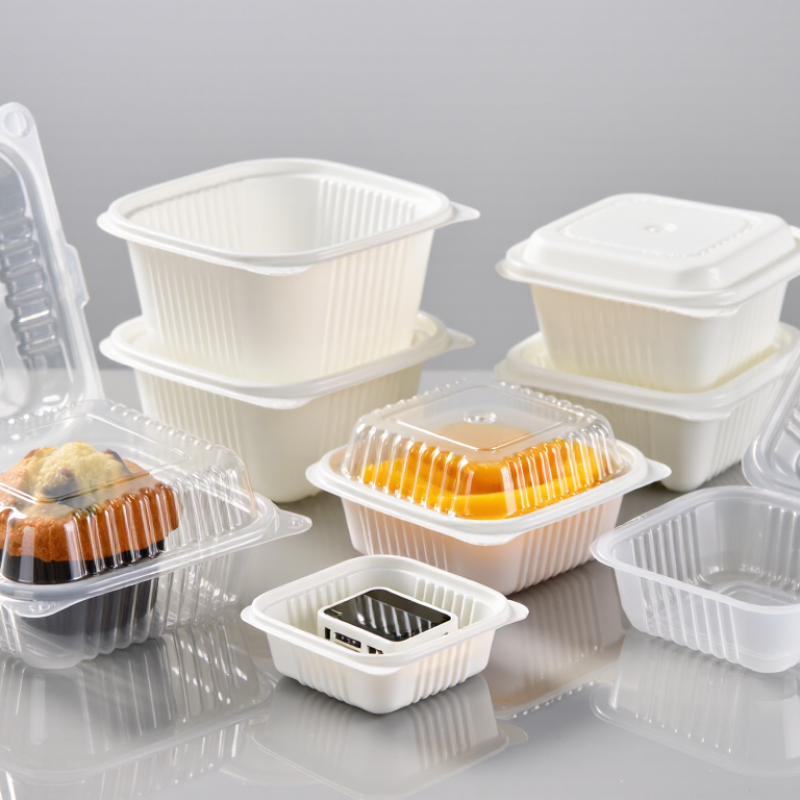
A plastic clamshell should fit the product’s real job, not just its shape. A small pastry needs different support from a heavy hardware part. Note the item’s weight, dimensions, sharp edges, and fragility. Then consider how customers will open and handle the package. A tight hinge can protect contents, but it may frustrate someone with limited grip strength.
Map the operating conditions. Will containers sit in a warm display, a chilled case, or a humid delivery box? Will they be stacked, dropped, or moved repeatedly? These details affect material choice, wall thickness, closure design, and ventilation. PET often offers clear product visibility; PP grades may suit some warmer applications. Performance varies by design, so check specifications and test samples with the actual product.
Tips: Pack a few samples and recreate the journey. Stack them, chill them, and inspect for cracks, fogging, or accidental opening. Check whether labels stay flat and closures remain secure. Small trials reveal issues that a desk review misses.
One common mistake is choosing the clearest container and overlooking condensation or pressure during stacking. I have seen a package look excellent on a shelf, then arrive scuffed after routine handling. That does not mean the design is poor; it means its conditions were underestimated. Record what happens during testing, including failures, and adjust one feature at a time.
| How to Choose Plastic Clamshell Containers in 2026 — Define the Product’s Purpose and Operating Conditions | |||||
|---|---|---|---|---|---|
| Product Purpose | Typical Operating Conditions | Material to Evaluate | Design Priorities | Checks Before Selection | Important Limitation |
| Fresh berries and small produce | Refrigerated storage, frequent handling, and possible moisture or condensation | PET or recycled-content PET, subject to food-contact suitability | Ventilation appropriate to the produce, secure closure, clear viewing area, and drainage or airflow features where needed | Confirm food-contact compliance, lid retention, stack stability, and whether the vent pattern suits the product | Ventilation and moisture needs vary by produce; excessive airflow can increase moisture loss, while insufficient airflow can trap condensation. |
| Bakery items and prepared cold foods | Short-term chilled display, transport, and retail handling | PET or PP, selected for the required clarity, stiffness, and service conditions | Clear lid, adequate headspace, easy opening, and a base that supports the food without excessive flex | Test for cracking, leakage at the closure, food contact requirements, and compatibility with any labels or seals | A closed clamshell is not automatically leakproof or an oxygen barrier; test it with the actual food and distribution process. |
| Hot or reheatable prepared meals | Potential contact with warm food, refrigerated storage, or reheating by the end user | PP is commonly evaluated for heat-related applications; use only a container specifically rated for the intended conditions | Heat-resistant construction, secure closure during transport, and clear reheating instructions when applicable | Verify the supplier’s stated temperature range, reheating method, food-contact documentation, and whether the lid must be removed | Do not assume a plastic container is microwave-safe or oven-safe based on resin type alone; follow the product’s specific instructions. |
| Small hardware, craft items, or retail accessories | Room-temperature storage, shelf display, shipping, and repeated handling | PET, PP, or another suitable packaging polymer based on protection and local recovery options | Visibility, tamper-evident closure if required, resistance to opening during transit, and easy stocking | Check product fit, edge protection, closure strength, package dimensions, and compatibility with the intended recycling stream | Retail packaging should not create sharp edges or obstruct safe opening; tamper evidence does not replace product-security testing. |
| Fragile components or products needing separation | Vibration, stacking, parcel shipment, or repeated movement in distribution | Material and wall thickness selected through packaging testing rather than appearance alone | Formed cavities that limit movement, reinforced corners, secure hinges, and sufficient stack support | Run fit, drop, vibration, compression, and closure tests using the packed product and expected shipping configuration | Performance depends on package geometry, material thickness, product weight, and shipping conditions; a visual inspection alone is not enough. |
| Products requiring longer storage protection | Exposure to air, humidity, odor transfer, or extended distribution time | Evaluate the complete package system, including polymer, seal, and any barrier layer | Consistent seal area, compatible lidding or sealing method, and a closure designed for the required protection | Confirm seal integrity and test shelf life with the actual product under expected storage conditions | A typical hinged clamshell may not provide the barrier or hermetic seal needed for extended shelf life. |
Selection note: Material names alone do not establish food-contact approval, temperature suitability, recyclability, or performance. Confirm current local regulations and the supplier’s specifications, then test the container with the actual product and operating conditions.