In 2026, trends in plastic clamshell packaging are set to evolve significantly. Buyers must stay informed about these changes. This packaging is popular for its versatility and visibility. However, environmental concerns arise, leading to pressure for sustainable options.
Understanding these trends can help buyers make informed decisions. Innovations may include biodegradable materials and improved designs. These changes aim to reduce waste while maintaining product quality. The market is shifting, and companies are adapting.
Buyers should remain cautious. Not all suppliers prioritize sustainability. It's essential to assess the credibility of packaging options. Embracing new trends is important, but buyers must also reflect on their choices. The future of plastic clamshell packaging will likely require a balance between functionality and responsibility.
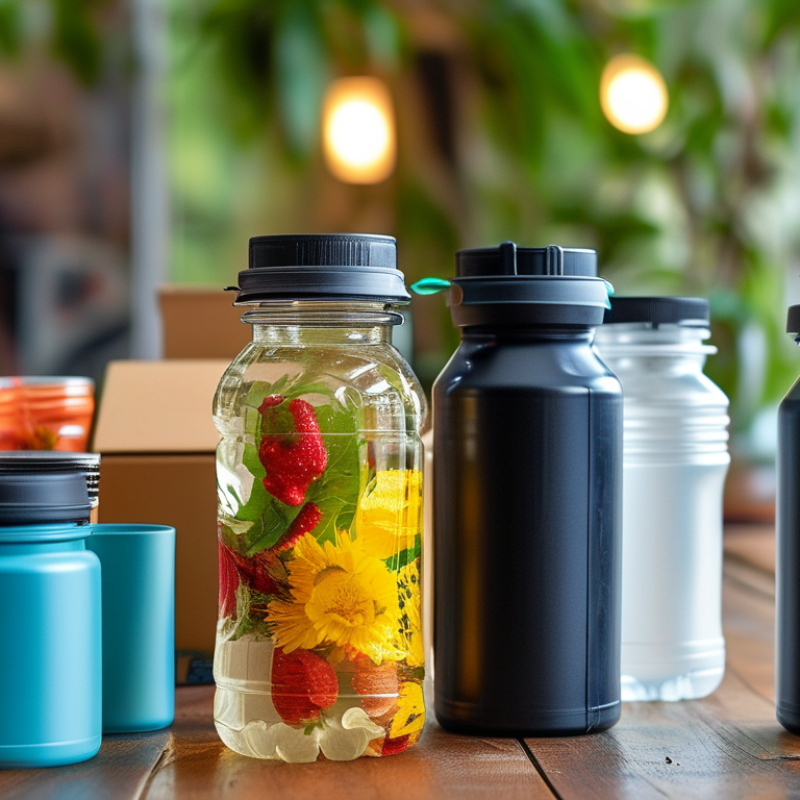
Emerging innovations in plastic clamshell packaging for 2026 promise to redefine industry standards. Sustainability is a top priority. Many manufacturers are exploring biodegradable materials and recycling techniques. Energy-efficient production methods are also on the rise. These innovations can reduce the environmental impact.
When considering clamshell packaging, it's vital to evaluate the material. Some new bioplastics can degrade in natural conditions. However, their durability might not match traditional plastics. Decide which features matter most for your products.
Think about design as well. Clamshells need to secure products while being user-friendly. Enhanced transparency and custom shapes elevate the unboxing experience. This may lead to higher customer satisfaction.
To make informed decisions, stay updated on trends. Engage with suppliers who prioritize sustainability. Their expertise can provide valuable insights. Review case studies that showcase successful adaptations in packaging design and materials. This reflective approach helps in navigating the evolving market landscape.
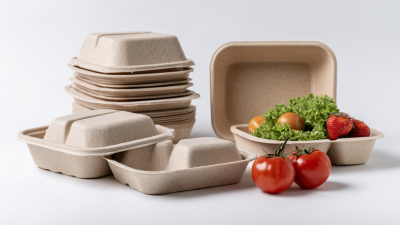
Sustainability is reshaping the clamshell packaging landscape. Today, buyers seek materials that reduce environmental impact. The demand for recycled content is rising. This shift pushes manufacturers to innovate. Many companies are exploring biodegradable options. These materials break down faster and leave minimal waste.
However, not all players are fully committed. Some still rely on traditional plastics, causing concern. The challenge lies in balancing functionality and sustainability. Clamshells must protect products while being eco-friendly. This leaves brands questioning their choices. Are they prioritizing short-term savings or long-term sustainability?
Consumer awareness also plays a significant role. Shoppers are increasingly informed about packaging waste. They expect transparency from brands regarding their materials. A lack of clarity can lead to distrust. Therefore, businesses must engage in sustainable practices genuinely. It’s essential to communicate these efforts effectively. Brands that align with consumer values can thrive in a competitive market.
| Trend | Description | Sustainability Impact | Market Adoption Rate (%) |
|---|---|---|---|
| Biodegradable Materials | Use of materials that break down naturally | Reduces landfill waste | 34% |
| Recyclable Designs | Packaging that is easy to recycle | Encourages recycling initiatives | 52% |
| Minimalist Packaging | Reduction of packaging material | Less waste generated | 47% |
| Smart Packaging Technologies | Integration of technology for better supply chain | Improves efficiency and tracking | 29% |
| Consumer Education | Informing consumers about sustainable choices | Promotes sustainable consumer behavior | 65% |
When selecting clamshell packaging, buyers should focus on durability and versatility. Strong materials, like PET or PVC, ensure products remain safe during transport. Look for options that resist cracking or breaking under pressure. This is crucial in preventing product waste and delivering items in pristine condition.
Sustainability is increasingly important. Buyers should seek clamshell packaging made from recycled materials. This choice minimizes environmental impact and appeals to eco-conscious consumers. Also, check if the packaging is recyclable after use. This adds value, showing customers the brand cares about the planet.
Consider the design and functionality too. Packaging should be easy to open yet secure. Look for features like tamper-evident seals, which enhance product safety. Transparent designs allow consumers to see the product, increasing purchase likelihood. However, balancing security and user-friendliness can be challenging. Testing different designs can provide insight into what works best for your target audience.
The demand for plastic clamshell packaging is on the rise, driven by several market dynamics. According to recent industry data, the global plastic clamshell packaging market is expected to reach $3.4 billion by 2026. This growth is fueled by the expanding food and beverage sector, which seeks reliable packaging solutions. Clamshells offer transparency, allowing consumers to see the product easily. This visibility is crucial for fresh produce, baked goods, and takeout meals.
Sustainability considerations are also shaping the market. Buyers increasingly prefer recyclable or biodegradable clamshell options. A report reveals that 60% of consumers are willing to pay more for environmentally friendly packaging. However, finding a balance between product safety and sustainability can be challenging. Brands must rethink materials and designs to meet evolving expectations.
When discussing plastic clamshells, consider these critical factors. First, ensure that your packaging meets regulatory standards for food safety. Second, evaluate the supply chain for sustainability practices. Lastly, consider consumer preferences regarding aesthetics and functionality. Keep an eye on trends in the industry, as adapting to changes can lead to greater market success. A failure to innovate may result in lost opportunities and decreased customer trust.
The plastic clamshell packaging industry faces significant challenges as it evolves. One of the key issues is the rising demand for sustainable materials. According to a recent report by Smithers, the global market for sustainable packaging will reach $400 billion by 2027. This shift is forcing manufacturers to rethink their material choices. Traditional plastics, often derived from fossil fuels, are increasingly under scrutiny. Bioplastics and recycled materials are emerging as potential solutions.
Cost is another hurdle. Transitioning to sustainable options often leads to higher production costs. A study by Grand View Research indicates that transitioning to greener materials can increase costs by 30% or more. Smaller companies may struggle to absorb these costs, leading to market consolidation. This could diminish competition and innovation in the sector, which benefits consumers.
Effective waste management also presents a problem. Many clamshells are not easily recyclable. According to the Environmental Protection Agency (EPA), only 9% of plastic waste is recycled in the U.S. A lack of local recycling facilities compounds this issue. The industry must invest in infrastructure and educate consumers. Public awareness campaigns can foster better recycling habits. Addressing these challenges is essential for the sustainable growth of the plastic clamshell packaging market.