How to Create the Best Packaging for Your Business in 2026?
In 2026, packaging is more than a container; it shapes how customers recognize, use, and remember a business. A practical design starts with the product itself: its weight, dimensions, fragility, and storage needs. A glass jar may need a snug insert, while a lightweight refill pouch needs protection from punctures and leaks. These details influence materials, structure, shipping costs, and the customer’s first impression. The aim is to create packaging that works reliably before it tries to look impressive.
That process does not require a large budget, but it does require clear priorities. Choose readable labels, useful opening features, and materials that suit your product and supply chain. Test a sample by packing it, shipping it, and opening it with one hand. Small tests matter. Check whether the package arrives intact, fits common shelves, and makes disposal instructions easy to understand. Be careful with claims about recycled or sustainable materials; confirm them with supplier documentation rather than relying on appealing language. Not every first mockup will work. A box can look polished on screen and feel awkward in a customer’s hands. That is worth noticing, and revising. The sections ahead explore how to balance brand identity, protection, cost, and customer experience when building packaging for a growing business.
Define Your Packaging Goals, Audience, and Product Requirements
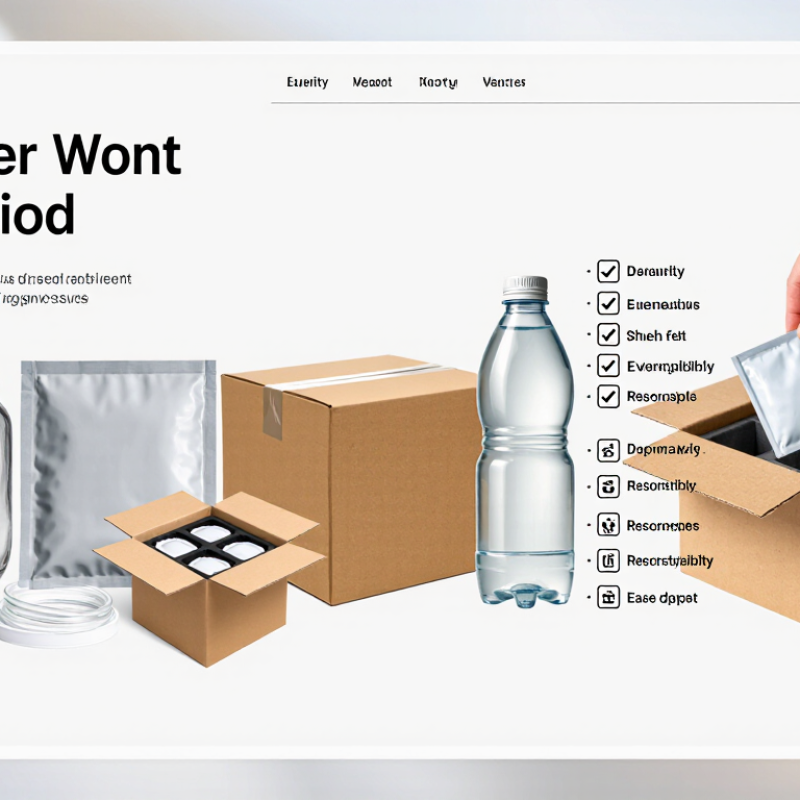
Start by defining what the packaging must accomplish. Is the priority to prevent damage, explain the product, improve shelf visibility, or make unpacking easier? Choose one or two measurable goals, such as reducing breakage in transit or fitting more units on a delivery pallet. Keep it measurable. Without clear goals, teams can spend time polishing details that customers barely notice.
Describe the people who will handle and buy the product. A busy parent opening a package at the kitchen counter may value easy-to-remove seals; a retailer may need clear labels and packages that stack neatly. Consider where customers will encounter it, how much they might carry, and whether small print or complicated closures could cause frustration. These details are easy to overlook.
Then match the design to the product itself. Note its weight, shape, fragility, moisture sensitivity, and storage conditions. A glass jar needs different cushioning from a soft textile, while a product shipped in heat may need materials that hold their form. Test a sample through realistic handling: pack it, move it, drop it carefully, and open it with ordinary tools. One test is not enough. Early prototypes often reveal awkward folds or excess material, and the first design may still be wrong. Record what fails before approving a larger production run.
Choose Packaging Materials and Formats That Fit Your Business
Choose packaging materials around the product’s real needs, not a trend board.
A glass jar protects against moisture but adds weight; a paper sleeve is lighter but offers little impact protection.
The U.S. EPA reported that containers and packaging generated
82.2 million tons of municipal solid waste in 2018, with
28.1% recycled. That figure is a useful reminder: recyclability depends on local collection systems, not just a material label. McKinsey’s 2020 survey found that
60–70% of U.S. consumers were willing to pay more for sustainable packaging.
Treat that as a signal, not a sales guarantee.
Match the format to how customers receive and use the product. A compact mailer can reduce empty space in shipping, while a rigid box may suit fragile items or retail display.
Test the actual pack with your product inside: check seal strength, stacking, moisture exposure, and drop damage. For a 250-gram coffee pouch, for example, a good fit means enough barrier protection without oversized layers.
Measure twice.
One assumption worth questioning: “recyclable” does not automatically mean lower impact if the pack is hard to sort or needs excessive material.
Tips:
Request samples in two materials and three sizes. Weigh each filled pack, then run a small shipping test. Record damage, packing time, and customer feedback; the cheapest option can become costly after returns.
Design for Brand Recognition, Protection, and Ease of Use
In 2026, strong packaging should help people recognize your business, protect the product, and open the box without frustration. These goals work best together. Choose a small set of visual cues, such as a distinctive color, clear type, and one repeatable graphic. Keep the product name easy to find. A customer scanning a shelf or delivery box should not have to guess what is inside. Resist adding every message at once. More decoration can make a package harder to read.
Protection begins with the product’s actual shape, weight, and route to the customer. Select a box or mailer that limits movement, then check whether fragile areas need cushioning. Test a packed sample with realistic handling, including stacking and a short drop. Small details matter. A loose insert or tight lid can turn a good design into a poor experience. Ease of use deserves the same care: use clear opening points, practical closures, and packaging that is not needlessly difficult to separate. I would question any beautiful concept that fails these simple checks. Screen mockups can hide awkward folds and unreadable small print. Make a physical sample, ask a few people to open it, and note where they pause, tear, or need scissors. Real use may surprise you.
How to Create the Best Packaging for Your Business in 2026
Design for brand recognition, protection, and ease of use—while considering what happens to the packaging after use.
What this means: Material recovery rates vary widely. Use recyclability as one input when choosing packaging, alongside product protection, clear brand cues, and easy opening. Test packaging with real shipments and users before committing to a design.
Source: U.S. Environmental Protection Agency, 2018 data on recycling of municipal solid waste materials. Rates are for material categories overall, not packaging alone.
Check Safety, Labeling, Sustainability, and 2026 Regulations
A strong package protects the product before it tries to impress anyone. Match the box, pouch, or cushioning to the item’s weight, shape, and exposure to moisture. Then test a filled sample: drop it from a realistic handling height and check for crushed corners, leaks, or loose parts. Small details matter. A package that looks sturdy on a desk may fail during delivery.
Make every label easy to read under ordinary store lighting. Include the product details, use instructions, relevant warnings, and material information required for your market. Keep type large enough to scan quickly, and leave clear space around important text. Avoid vague claims such as “eco-friendly” unless you can support them. Before printing, confirm the rules for each sales region and product category. Requirements can change in 2026, so check current guidance from the relevant authorities and have a qualified compliance professional review uncertain points.
Sustainability works best when it does not weaken protection. Reduce unnecessary space, choose materials that local facilities can actually process, and ask suppliers about recycled content and documentation. A lighter package can still fail. A recyclable material may not be recyclable everywhere. That trade-off deserves a real test, not a hopeful label. Review a production sample, shipping conditions, and disposal instructions before approving a large print run. Sometimes the first design needs another round.
Test Packaging Performance, Costs, and Production Before Launch
Packaging should be tested as a working part of your product, not judged by appearance alone. Fill a sample with the actual product, close it as staff would, and check whether seams, labels, and closures hold up. A small detail matters: a lid that loosens after repeated handling can create returns and extra labor. Keep notes, including the failures.
Run practical handling tests before approving a design. Stack filled packages, simulate routine drops, and expose samples to expected temperature and humidity changes. For food or moisture-sensitive products, check for leaks, softening, or damaged seals. A first sample can still mislead. Test more than one batch, and remember that a short in-house trial cannot reproduce every delivery route.
Compare total costs, not just the quoted price per box. Include setup fees, storage, packing time, and expected waste. Then ask the supplier to confirm material availability, minimum order quantities, and realistic production lead times. A simple pilot run can reveal whether the packaging moves smoothly through your line or slows down packing. Measure the result: time each package, count defects, and record material use. These checks take effort. They can also expose assumptions worth revisiting before a large order is placed.