Packaging Specialists
Packaging | Healthcare | Moulding

Top 10 Packaging Types to Create for Global Buyers?

Global buyers rarely judge packaging by appearance alone. They assess protection, landed cost, shelf impact, recyclability, and local handling conditions. That makes format selection a commercial decision, not merely a design exercise. Smithers’ The Future of Global Packaging to 2028 estimates the worldwide packaging market at more than US$1 trillion, confirming its scale. Yet scale creates pressure. OECD data shows that only 9% of plastic waste was successfully recycled globally in 2019. This gap makes material selection impossible to treat as a minor detail.

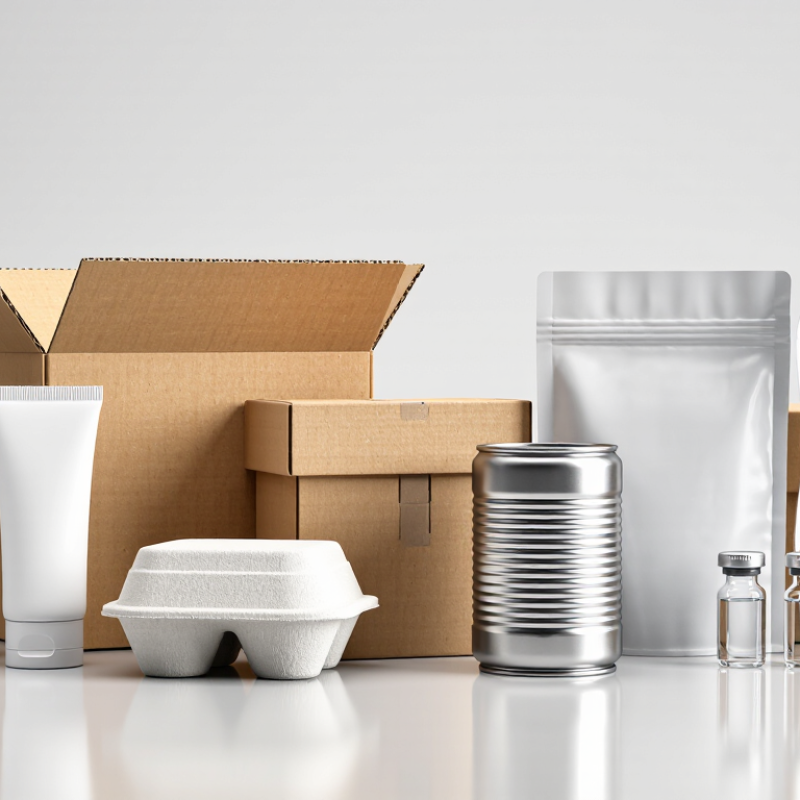
This guide examines 10 packaging types that help companies create packaging for different products, channels, and buyer expectations. Options include corrugated cartons, rigid boxes, flexible pouches, glass containers, metal cans, tubes, and molded protective formats. Each format serves a different commercial purpose. A humid export route may demand coated board and stronger seals. An e-commerce shipment may need edge protection, dimensional efficiency, and visible damage resistance. Small details matter. Barcode placement, pallet stacking, drop testing, and opening experience can affect repeat orders. Guidance from the World Packaging Organisation also emphasizes performance, resource efficiency, and responsible design across the packaging life cycle.

However, no universal winner exists. A lightweight pouch may reduce freight, but it can complicate recycling or premium positioning. A heavy glass jar may signal quality, while increasing breakage risk and transport emissions. Those trade-offs deserve honest review. Some recommendations will need revision after buyer interviews, transit trials, and local market checks. Use this list as a practical starting point, not a final specification. Strong packaging protects the product, communicates trust, and survives the journey.
Top 10 Packaging Types to Create for Global Buyers?

What Global Buyers Expect from Modern Packaging

Top 10 Packaging Types to Create for Global Buyers?

Global buyers expect packaging to protect products through long journeys, not merely look attractive. They examine carton strength, sealing quality, moisture resistance, and internal cushioning. A crushed corner can damage trust before the product is opened. Retail boxes, mailer boxes, rigid cases, pouches, tubes, trays, and protective inserts each serve different shipping conditions. The right format depends on product weight, fragility, storage temperature, and delivery distance.

Practical packaging also communicates professionalism. Buyers want clear product details, readable instructions, accurate dimensions, and dependable batch information. They often request samples before placing larger orders. A useful sample should show the real material, closure, print quality, and packing method. It should also survive a basic drop and compression test. Small details matter. Poorly fitted inserts create movement, noise, and avoidable damage.

Sustainability is now part of the purchasing discussion, but it requires evidence. Buyers may ask for material details, recycled content, disposal guidance, or credible test documents. Recyclable packaging is not automatically a better choice if it becomes too weak or uses excessive material. That trade-off deserves honest review.

We have seen attractive designs fail because labels peeled off in humid storage. A stronger adhesive, simpler finish, or better outer carton may solve the problem. Modern packaging should be efficient, traceable, and practical, even when the final design is less dramatic.


How to Choose Packaging Materials for Different Products

Top 10 Packaging Types to Create for Global Buyers

How to Choose Packaging Materials for Different Products

Global buyers judge packaging by protection, cost, sustainability, and shipping performance. Smithers forecasts the global packaging market will exceed 1.2 trillion US dollars by 2028. Material selection therefore needs more than attractive artwork. It requires product testing.

For dry goods, corrugated board and molded pulp provide cushioning with relatively low weight. Moisture-sensitive products may need coated paper or multilayer films with strong water and oxygen barriers. Glass works well for premium liquids, but its weight increases transport emissions and breakage risks. Aluminum offers excellent light protection and recyclability, while HDPE suits durable bottles and containers. UNEP reports that packaging represents about 40% of global plastic use. That figure should make suppliers question unnecessary layers.

Tips: Match the material to the product’s real risks. Test compression for stacked cartons. Test seal strength for flexible pouches. Check temperature changes during sea transport. A recyclable package can still fail if local facilities cannot process it. Regional recycling data matters. Packaging decisions often look simple on paper, but actual loading, humidity, and handling can expose weak assumptions. Use pilot shipments before large production runs. Talk with converters and logistics teams, not only designers. Overengineering is wasteful, yet under-protection creates returns, damage, and lost buyer confidence.

Top Packaging Types for Shipping, Retail, and E-Commerce

Global buyers need packaging that survives transport and still looks trustworthy at delivery. Corrugated shipping boxes remain reliable for heavier products and mixed orders. Mailer boxes suit small retail items and create a cleaner unboxing experience. Padded mailers protect lightweight goods from scratches and minor impacts. Paper mailers reduce material use, but they need extra protection against rain. Rigid cartons work well for premium shelves and fragile products. Folding cartons are efficient for retail display and warehouse stacking. Protective inserts, such as molded pulp or fitted paper, reduce movement inside the box. They also help prevent surface damage.

E-commerce shipments need simple packing steps and accurate sizing. Reusable totes can support repeated business deliveries, especially in closed supply chains. Pallet crates offer stronger protection for bulky or sensitive products. Every format needs practical testing: drop resistance, compression, vibration, moisture exposure, and temperature changes. A box that passes one test may still fail at a damp loading dock. No package is perfect. Cost, protection, appearance, and recyclability often compete with each other. I would rather use a slightly larger box than risk product movement, but excessive empty space increases freight costs. Measure the product, select suitable cushioning, and confirm the final packed weight. Retail teams should check shelf presentation, while e-commerce teams should inspect sealing and return handling. Destination recycling and labeling requirements also deserve review before production. This step is easy to overlook.

Top 10 Packaging Types for Global Buyers

Estimated global annual market value by packaging type, 2024, in USD billions. Corrugated boxes, flexible packaging, rigid plastic containers, and paperboard cartons show the strongest cross-sector demand across shipping, retail, and e-commerce.

Figures are rounded estimates compiled from public 2024 packaging-market outlooks and international trade statistics. Categories may overlap because packaging formats can serve multiple applications.

Key Design Features That Improve Protection and Brand Appeal

Global buyers judge packaging before they touch the product. Protection and brand appeal must work together. Corrugated boxes, mailers, rigid cartons, folding cartons, pouches, tubes, trays, sleeves, reusable totes, and molded-fiber packs each need a clear purpose.

In practical drop tests, corners usually fail before flat panels. Reinforced edges, snug inserts, and tested compression strength reduce movement inside the box. A two-millimeter gap can create damaging impact. Moisture-resistant coatings help during humid transport, but they should not make recycling impossible. The OECD’s Global Plastics Outlook reports that packaging represents about 40% of global plastic waste. That figure makes material reduction a design requirement, not a decorative idea.

Brand appeal comes from controlled details. Use a restrained color system, readable instructions, tactile textures, and a clean opening sequence. Unnecessary layers weaken trust. The 2024 PwC Voice of the Consumer Survey found that 46% of consumers were willing to pay more for sustainably produced goods. However, buyers may still reject packaging that arrives crushed or difficult to open. Smithers’ industry forecasts also show continued growth in e-commerce packaging, increasing pressure on lightweight, protective formats. We still overuse inserts in many projects. Better testing can reveal what to remove, not only what to add. A strong package feels deliberate, survives real handling, and communicates value within seconds.

Top 10 Packaging Types to Create for Global Buyers? – Key Design Features That Improve Protection and Brand Appeal
Rank Packaging Type Typical Applications Primary Protection Key Design Features Common Materials Customization Opportunities Material Efficiency Global Buyer Appeal
1 Corrugated Shipping Boxes Consumer goods, electronics, household products, subscription shipments Impact, compression, stacking and transport vibration Right-sized structure, double-wall construction for heavier goods, die-cut inserts, locking flaps and reinforced corners Paper-based corrugated board with kraft or recycled liner papers Flexographic printing, one-color or multi-color graphics, die-cut handles, custom inserts and tamper-evident seals High Widely available, efficient for palletization and generally recyclable where clean paper packaging is accepted
2 Rigid Folding Cartons Cosmetics, food supplements, small consumer products and retail items Surface protection, light compression and shelf handling Precise dielines, locking tabs, protective inner trays, readable information panels and premium opening experience Paperboard, recycled paperboard and specialty coated board Embossing, debossing, foil details, matte or gloss coatings, spot varnish and die-cut windows High Strong shelf presence with relatively low material use and easy flat shipment before assembly
3 Flexible Stand-Up Pouches Snacks, pet food, powders, personal-care refills and dry ingredients Moisture, oxygen, light and contamination, depending on the barrier structure Stable bottom gusset, resealable zipper, tear notch, clear fill-level visibility and barrier film selection Plastic laminate structures, mono-material films, paper-based laminates and high-barrier films Rotogravure or digital printing, custom shapes, matte finishes, transparent windows and easy-open features Very high Low shipping volume and weight; recycling depends on the exact film structure and local collection systems
4 Glass Jars and Bottles Food, beverages, sauces, cosmetics, fragrances and specialty ingredients Excellent product barrier against moisture, gases and odors; vulnerable to impact Protective secondary pack, controlled neck finish, stable base, closure compatibility and breakage-resistant transport design Soda-lime glass, recycled glass content, metal closures and compatible liners Embossed surfaces, colored glass, paper labels, screen printing, tamper-evident closures and premium caps Moderate Perceived as premium and chemically stable; heavier transport weight requires efficient logistics planning
5 Metal Cans and Tins Food, beverages, personal care, chemicals and promotional gift sets Strong resistance to light, oxygen, moisture, puncture and stacking pressure Secure seams, easy-open ends, corrosion-resistant coatings, protective overcaps and controlled internal lining Steel, aluminum, metal closures and food-contact coatings where required Full-body printing, embossing, debossing, shaped profiles, pull tabs and reusable secondary functions High Durable, highly protective and widely collected for metal recycling in many markets
6 Molded Pulp Protective Packaging Electronics accessories, glassware, cosmetics, food-service items and fragile goods Cushioning, shock absorption, abrasion reduction and product separation Custom-fit cavities, ribbed walls, crush zones, anti-slip geometry and nesting for efficient storage Recycled paper fiber, molded pulp and agricultural-fiber blends Custom color, embossed logos, surface treatments, integrated compartments and paper-based presentation trays High Paper-based appearance supports sustainability positioning and can replace some plastic cushioning applications
7 Protective Mailers E-commerce apparel, books, accessories, documents and small non-fragile products Scuffing, dust, light moisture and minor handling impacts Self-seal strip, tear-open feature, return adhesive strip, padded interior and compact dimensions Kraft paper, corrugated paper, recycled plastic film or paper cushioning layers Printed exterior, variable data, custom sizes, security seals, return instructions and personalized messaging Very high Reduces void space and shipping weight; material selection should match local recycling infrastructure
8 Reusable Plastic Totes Industrial components, warehouse distribution, fresh produce and closed-loop logistics Repeated handling, stacking, moisture and impact Reinforced corners, nesting or stacking geometry, drainage holes, ergonomic handles and traceability areas High-density polyethylene or polypropylene, often with recycled-content options Color coding, molded identification panels, labels, RFID or barcode areas and removable inserts High in closed loops Can reduce single-use packaging when return logistics and repeated use are properly managed
9 Insulated Shipping Boxes Temperature-sensitive food, pharmaceuticals, meal kits and biological samples Temperature change, condensation, shock and leakage when correctly specified Validated insulation thickness, coolant placement, leak-resistant liner, temperature indicator and clear handling instructions Corrugated board with paper fiber, expanded polystyrene, polyurethane foam or other insulation systems Temperature labels, tamper evidence, printed handling icons, modular coolant compartments and returnable components Application dependent Supports global cold-chain requirements; design must be validated for route duration, climate and product temperature limits
10 Tamper-Evident Blister Packs Small hardware, medical accessories, batteries, personal-care items and retail products Product visibility, contamination resistance and evidence of unauthorized opening Secure heat seal or mechanical lock, hanging aperture, clear product display, rounded edges and opening instructions Paperboard card with PET, PVC or other formed plastic components High-resolution card printing, perforated opening zones, recycled-content options and integrated product information Moderate Combines retail visibility with tamper evidence; material separation can improve recycling where local systems support it
Design performance depends on product weight, dimensions, distribution conditions, climate, required barrier properties and the recycling or reuse infrastructure available in the destination market.

How to Compare Packaging Costs, Sustainability, and Compliance

Global Packaging Choices: Comparing Cost, Sustainability, and Compliance

Packaging cost is more than the unit price. Compare materials, tooling, filling speed, freight volume, damage rates, and disposal requirements. A rigid box may cost more but protect fragile goods during long-distance shipping. A flexible pouch may reduce freight space, yet its multilayer structure can complicate recycling.

Look beyond the quotation.

The OECD reported that packaging represented about 40% of global plastic waste in 2019. This figure makes material selection commercially important, not merely environmental. Measure recycled content, material weight, pallet efficiency, and expected recovery routes. The United Nations Environment Programme estimates that plastic pollution could fall by 80% by 2040 through reuse, recycling, and reduced consumption. However, reuse can add cleaning, return logistics, and tracking costs. The attractive option is not always the cheaper one.

Compliance must be checked before production. The European Commission’s Packaging and Packaging Waste Regulation requires stronger recyclability, recycled content, and labeling controls across relevant markets. Requirements can differ by destination, product type, and packaging layer. Ask suppliers for composition records, migration test results, recycled-content evidence, and updated declarations. ISO 18601 also provides a useful framework for packaging and the environment. My own comparison sheets often miss warehouse damage and seasonal freight changes. That is a weakness worth admitting. Use a three-year cost model, then test it against real samples, drop tests, and local recycling conditions. Supplier claims should be verified independently.