How to Choose the Best Clamshell Packaging for Your Products?
The choice of clamshell packaging can significantly impact product success. According to Smithers Pira, the global packaging market is projected to reach $500 billion by 2027. Clamshell packaging is a key player in this sector, combining visibility and security. It is ideal for retail environments, enhancing the shopper's experience.
Selecting the right clamshell packaging is not simple. The materials, design, and functionality must align with your product's needs. Research from Packaging Strategies shows that about 70% of consumers prefer products in clear packaging. This highlights the importance of visibility in purchasing decisions. Yet, companies often overlook sustainability in their choices.
Experts stress balancing aesthetics with practicality. Clamshell packaging should protect the product while appealing to consumers. However, many businesses struggle with high production costs and environmental concerns. This necessitates a thoughtful approach, continuously evaluating materials and designs for improvement.

Understanding Clamshell Packaging: Types and Benefits
Clamshell packaging has gained popularity among various industries due to its versatility and functionality. These packages are typically made from clear plastic, allowing customers to see the product inside while providing excellent protection. According to a recent report by Smithers Pira, the global market for clamshell packaging is projected to grow by 4.7% annually, reflecting its increasing importance in retail and e-commerce sectors.
There are several types of clamshell packaging available, each catering to different needs. For instance, snap-fit clamshells are easy to open and resealable, making them ideal for food products. Hinged clamshells provide more robust protection for fragile items. Furthermore, research suggests that 70% of consumers prefer packaging that is easy to open, highlighting the need for user-friendly designs. While clamshells offer many advantages, such as visibility and protection, they can also present challenges in terms of recyclability.
Sustainability remains a concern as the industry shifts towards eco-friendly solutions. While many clamshells are recyclable, the rate of actual recycling is low. Some studies indicate that only 9% of plastic waste is recycled globally. This statistic raises questions about the long-term viability of clamshell packaging. Exploring biodegradable options could be a solution. Ensuring clamshells strike a balance between functionality and environmental responsibility is crucial for the future of packaging.
Key Factors to Consider When Choosing Clamshell Packaging
When choosing clamshell packaging, several key factors play crucial roles in the decision-making process. Material selection is fundamental. The most common materials include PET and PVC. According to a report by Smithers Pira, PET accounts for approximately 65% of the clamshell market due to its recyclability and clarity. Understanding the environmental impact of these materials is vital. Many consumers prefer eco-friendly options.
Next, consider the design and functionality of the packaging. A well-designed clamshell should enhance product visibility while providing security. Transparency is a key selling point; customers want to see the product without unboxing. Additionally, an ergonomic design can improve user experience. Research indicates that 47% of consumers report a better buying experience with easy-to-open packaging.
Lastly, cost and supply chain reliability should not be overlooked. Suppliers' reliability can greatly impact product availability. If delays occur, businesses may face losses. Competitive pricing is also essential, but avoid compromising on quality. Achieving the right balance can often lead to challenges requiring careful consideration. These aspects must be routinely assessed as market demands evolve.
How to Choose the Best Clamshell Packaging for Your Products? - Key Factors to Consider When Choosing Clamshell Packaging
| Factor |
Description |
Importance Level |
| Material Type |
Choose between PET, PVC, or biodegradable options based on product needs. |
High |
| Size and Dimensions |
Ensure the clamshell fits the product securely without too much excess space. |
Medium |
| Closure Type |
Consider snap closures, tape, or locks for secure packaging. |
High |
| Visual Appeal |
Transparent or printed designs can enhance attractiveness on shelves. |
Medium |
| Environmental Impact |
Evaluate sustainability to appeal to eco-conscious consumers. |
High |
| Cost |
Balance quality with budget constraints for cost-effective solutions. |
High |
Assessing the Compatibility of Clamshells with Your Product
When selecting clamshell packaging, it's crucial to assess its compatibility with your product. Clamshells provide visibility, protection, and accessibility. However, not all clamshell designs suit every product type. For instance, fragile items need sturdier options to prevent damage during transportation. A 2022 industry report highlighted that 75% of consumers believe packaging impacts their purchasing decisions. This underscores the importance of matching packaging to product requirements.
Consider the product dimensions when choosing clamshells. A snug fit reduces movement, which minimizes damage risk. Additionally, the material choice affects product safety. According to a study by the flexible packaging association, about 85% of manufacturers prioritize material sustainability. Consumers are increasingly aware of environmental impact, demanding eco-friendly options. This might necessitate a reconsideration of traditional clamshell materials for more sustainable alternatives.
Evaluating the clamshell’s ease of use is also essential. Packaging that is difficult to open can frustrate customers. A survey revealed that 30% of shoppers abandon purchases due to frustrating packaging. Thus, while clamshells offer many advantages, their design must cater to user experience. Assessing these factors ensures that the chosen clamshell enhances the product's appeal and aligns with consumer expectations.
Evaluating Sustainability and Environmental Impact of Clamshells
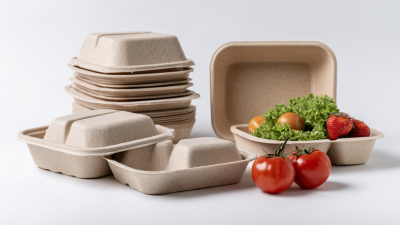
When selecting clamshell packaging, sustainability plays a crucial role. Many clamshells are made from plastic, which raises concerns about environmental impact. It's important to research the material used. Some options are recyclable or made from recycled materials. Look for manufacturers that prioritize eco-friendly practices.
However, the reality isn’t always clear-cut. Not all biodegradable options break down effectively in all environments. It’s vital to understand the conditions required for proper degradation. A product labeled "biodegradable" may still contribute to waste if not disposed of correctly.
Consumer awareness is growing, pushing companies to consider their environmental footprint. Investing in sustainable packaging may increase product appeal. Yet, balancing cost and eco-friendliness remains a challenge. Reflecting on these factors can lead to better choices for the planet.
Cost Considerations for Clamshell Packaging Solutions
When considering clamshell packaging, cost is a crucial factor. Customizing these packages can raise expenses. Premium materials may enhance durability but also inflate costs. It's essential to balance quality with budget. Evaluate whether thicker plastic and additional features justify the higher price. The volume of your order can also impact per-unit costs. Larger orders often yield better rates.
Think about the functionality needed. If a simple design suffices, choose basic options. Elaborate features may add to the production cost. Analyze your target market to ensure the packaging resonates with them without overspending. Review the lifecycle of your product as well. Invest in packaging that guards against damage, which can save you in the long run.
Shipping costs can add significantly to your total expense. Lightweight packages reduce shipping fees. Clamshells are popular due to their visibility and protection. However, ensure you're not compromising sustainability for cost efficiency. Research eco-friendly materials that might fit within your budget. Balancing cost considerations with these factors results in a practical and responsible approach to choosing the right clamshell packaging.