In today's dynamic market, businesses constantly seek effective packaging solutions. Clamshell packaging has emerged as a favored choice for many industries. It offers numerous advantages that can enhance product presentation and protect items during transit. This packaging style is versatile and can suit various products, from electronics to food items.
Brands that utilize clamshell packaging gain a competitive edge. Its clarity allows customers to see the product without unboxing. Additionally, clamshell packaging often includes tamper-evident features, ensuring product safety. Durability is another significant benefit, as it can withstand rough handling.
However, some may overlook the environmental implications of clamshell packaging. While it provides undeniable protection, its recyclability can vary. Manufacturers must consider eco-friendly options and responsible disposal methods. The balance between protection and sustainability is essential for brand reputation.
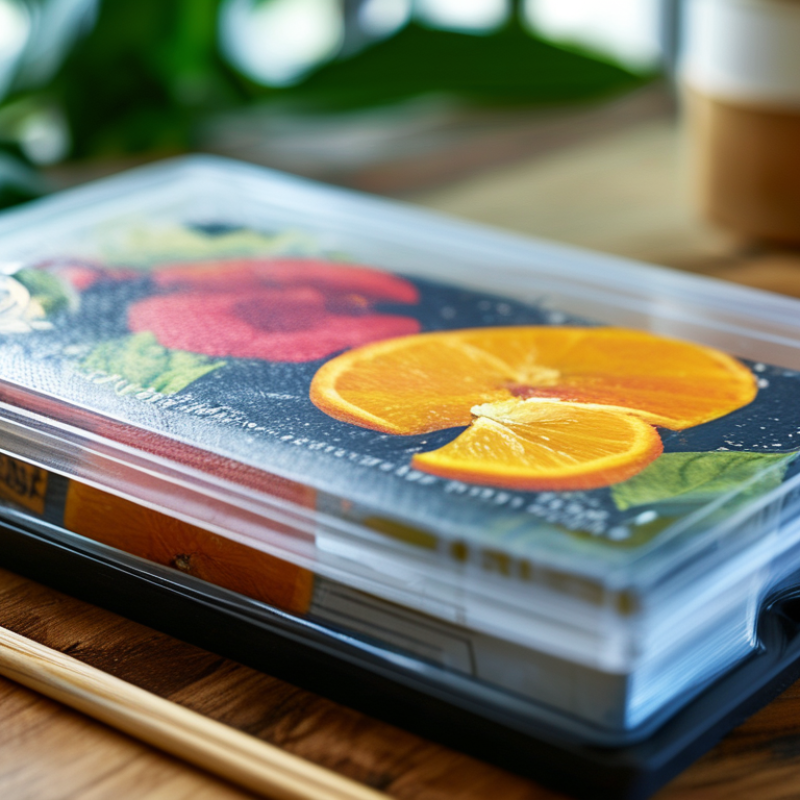
Clamshell packaging offers remarkable advantages for product visibility and appeal. Its transparent design allows consumers to see the product directly. This visibility can significantly influence purchasing decisions. When products are displayed clearly, customers feel more confident in their choices. They can inspect quality easily and are more likely to engage with the product.
Moreover, clamshell packaging creates an eye-catching presentation. The rigid structure holds items firmly in place, preventing damage during transportation. Attractive designs can enhance the overall aesthetic appeal. Consumers are naturally drawn to well-packaged products. Visual appeal plays a crucial role in retail environments, where competition is fierce.
However, not every aspect is without flaws. The environmental impact of plastic packaging is a growing concern. Some consumers prioritize sustainability over other factors. Businesses should consider offering recyclable options. Balancing visibility with eco-friendliness may pose challenges. Reflecting on these aspects can lead to more informed decisions in packaging design.
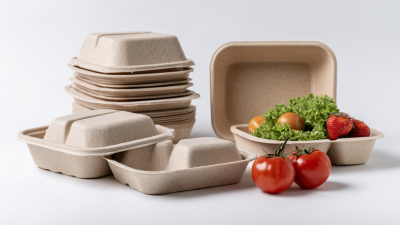
Clamshell packaging offers several cost efficiencies for businesses in the supply chain. One key advantage is its lightweight nature. This reduces shipping costs significantly. Many companies report lower expenses due to more efficient transport. Clamshells also take up less space. Efficient stacking maximizes storage potential in warehouses.
Furthermore, clamshell packaging enhances product visibility. This can lead to higher sales. Customers are drawn to products that they can see clearly. This transparency can justify a premium price, increasing profit margins. Additionally, clamshells provide robust protection. They ensure products arrive intact, minimizing returns and replacements.
Despite these benefits, it’s essential to consider sustainability. Some clamshell materials are not eco-friendly. Businesses may face scrutiny from environmentally conscious consumers. Finding the right balance between cost and sustainability is challenging. This reflection can shape future packaging decisions.
| Benefit | Description | Cost Efficiency |
|---|---|---|
| Durability | Clamshell packaging offers strong protection against damage, reducing product returns. | Reduced costs associated with damage and returns. |
| Visibility | Clear design allows consumers to see the product, enhancing purchase likelihood. | Increase in sales leading to a higher ROI. |
| Customization | Easily customizable shapes and sizes to fit various products. | Cost savings on inventory and storage. |
| Sustainability | Made from recyclable materials, appealing to environmentally conscious consumers. | Appeal to a larger market, reducing wasted resources and costs. |
| Space Efficiency | Design allows for efficient storage and transportation. | Lower shipping costs due to optimal space usage. |
| Consumer Safety | Tamper-proof options ensure product safety for consumers. | Reduced liability costs due to safer products. |
| Versatility | Applicable for various industries, from food to electronics. | Cost-effective alternative across multiple product lines. |
| Marketing Potential | Can include branding and product information on the packaging. | Low-cost marketing tool that enhances brand visibility. |
| Ease of Use | User-friendly design allows for easy product access. | Reduced labor costs in packaging and handling. |
| Inventory Management | Standardized sizes simplify tracking and management. | Lower costs related to stock discrepancies and losses. |
Clamshell packaging has gained attention for its sustainability benefits. Made from recyclable materials, it helps reduce plastic waste. These packages often come from post-consumer recycled content. This shift is essential in mitigating environmental impacts. The clamshell design allows for easy stacking and transportation, reducing carbon footprints.
However, the environmental impact does not end with materials. Disposal practices are crucial. Many consumers do not know how to recycle clamshells effectively. This knowledge gap can lead to increased landfill waste. Educating consumers on proper disposal methods can enhance sustainability efforts.
Moreover, while clamshells are more environmentally friendly than traditional packaging, they still have challenges. Production processes may use energy, leading to emissions. Companies need to evaluate their entire supply chain. Assessing the lifecycle of clamshell packaging can uncover areas for improvement. Engaging in transparent practices builds trust. Businesses must consider their role in promoting sustainability.
Clamshell packaging offers significant advantages for product protection. Its rigid structure provides excellent safeguarding against damage during transit. Unlike soft packaging, clamshells prevent crush and impact, ensuring products reach customers intact. This is particularly crucial for fragile items like electronics or glassware.
Moreover, clamshells are often sealed tightly. This design minimizes exposure to dust, moisture, and contaminants. Such features enhance product freshness and longevity, making it ideal for consumables. However, it's essential to assess the environmental impact of clamshells. While they protect products, many clamshells are not recyclable or biodegradable.
Investing in clamshell packaging can elevate brand credibility. Customers appreciate safe deliveries, and strong packaging reflects quality. Still, businesses should balance protection with sustainability. Seeking eco-friendly materials can align product safety with environmental responsibility. This dual approach enhances the brand's reputation and attracts conscientious consumers.
Clamshell packaging is becoming increasingly popular across various industries. Its design offers protection and visibility, making it ideal for retail products. In the food sector, clamshells help maintain freshness while being user-friendly. This versatility extends to electronics, where it safeguards delicate items during shipping.
When choosing clamshell packaging, consider the material. Various options are available, from recycled plastics to biodegradable alternatives. This choice impacts your brand's sustainability efforts. Additionally, branding plays a crucial role. Eye-catching designs can enhance product appeal, attracting consumer attention.
Keep in mind the size and shape of your product. Clamshells can be customized, ensuring a snug fit. This can reduce damage and increase customer satisfaction. Don't overlook the importance of ease in opening. Complicated packaging can frustrate customers, leading to negative experiences. Testing different designs may yield valuable insights.