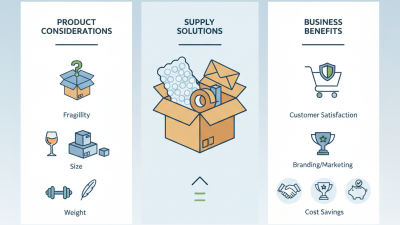
Choosing the right clear plastic packaging tubes is not just a matter of appearance. Global buyers need packaging that protects products, fits production lines, and arrives with dependable quality. A tube may look polished in a sample, yet perform differently after filling, shipping, or repeated handling. Details matter.
This guide compares options by practical factors: material clarity, wall thickness, tube diameter, length, end closures, and customization. These choices affect product visibility, handling, storage, and shipping efficiency. A snug cap can help keep contents secure, while an unsuitable tube size may waste shelf space or require extra protective packing. Even a small variation in dimensions can affect automated filling equipment.
There is no single best tube for every product. Cosmetic items, stationery, samples, and promotional goods can have different protection and presentation needs. Buyers should request specifications, samples, and clear information about tolerances before placing larger orders. They should also review supplier quality checks, available customization, lead times, and relevant packaging or recycling requirements in their destination markets. Requirements can vary.
Price alone can mislead. A lower unit cost may come with longer delivery times, limited color options, or less consistent measurements. Those trade-offs deserve attention. Still, a sample cannot reveal every issue that appears in mass production, and even careful planning has limits. The sections ahead offer a grounded framework for comparing clear plastic packaging tubes and asking suppliers better questions before committing to a purchase.
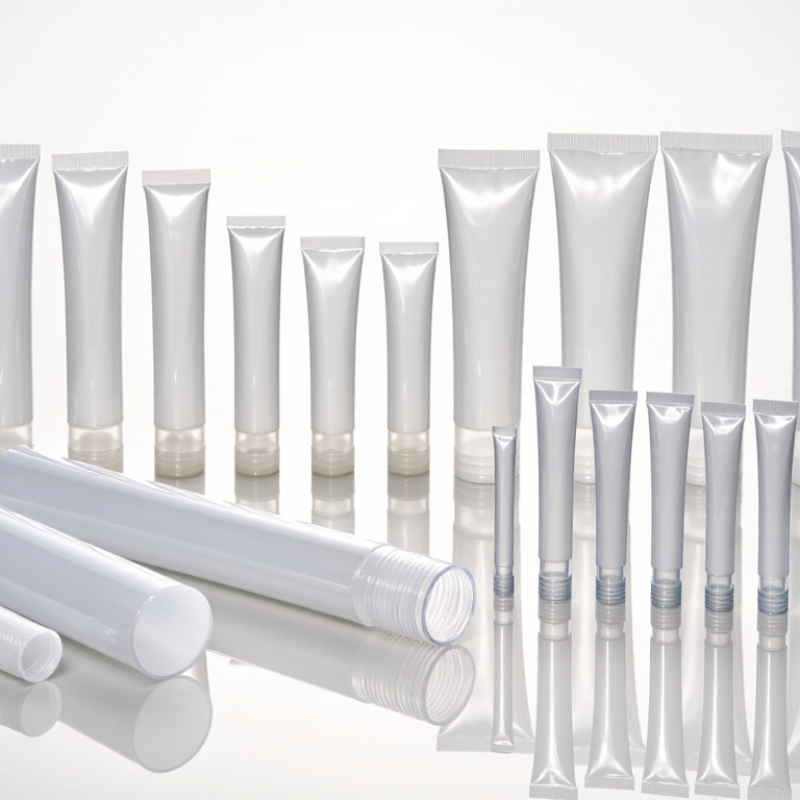
Clear plastic packaging tubes come in several useful formats: rigid cylinders with end caps, telescoping tubes, and flexible squeeze tubes. Rigid PET or PETG cylinders suit cosmetics, stationery, small accessories, and retail sets where the product should remain visible. Squeeze tubes are more practical for creams and gels. The format matters. A clear wall can show scuffs, trapped air, or uneven product fill, so buyers should request samples with the actual contents.
Buyer requirements go beyond appearance. Specify inner and outer diameter, wall thickness, tube length, cap fit, opening size, and permitted dimensional tolerances. Ask for resin identification, recycled-content documentation, and tests for leakage, compression, drop resistance, and product compatibility. Decoration can also affect performance: labels may lift on curved surfaces, while printing may appear different across clear and tinted resins. Clear is not always better. Light-sensitive contents may need tinting or an opaque layer, and recycled resin can vary in clarity. That trade-off deserves scrutiny.
Environmental performance is a real procurement concern. OECD’s Global Plastics Outlook (2022) reports that packaging generated 40% of global plastic waste in 2019. This figure covers packaging broadly, not tubes alone, but it makes material choices worth examining. Compare lightweight designs, recycled-content options, and practical recyclability in the destination market. Ask suppliers for test methods and supporting records, not just broad claims. One detail is easy to miss: a tube that ships efficiently may still need protective packing to prevent scratches in transit.
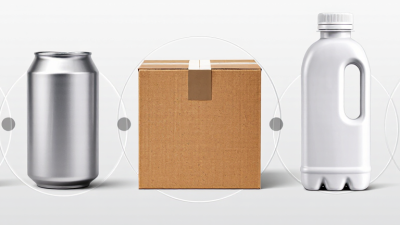
For global buyers, a clear tube is not automatically a recyclable tube. Eurostat reported that about 41% of plastic packaging waste in the EU was recycled in 2022. That is a meaningful benchmark, but it does not mean every plastic format is equally recyclable.
Material details matter. Ask whether the tube body, cap, and label use compatible materials, and whether local sorting facilities accept them together. A transparent wall helps customers see the product, yet mixed materials or difficult-to-remove labels may complicate sorting. Small details count.
The OECD’s Global Plastics Outlook found that packaging represented about 40% of plastic waste generated worldwide in 2019. For buyers, this makes material choice more than a visual decision. Compare PET, PE, or PP against the packaging requirements and recycling systems in each destination market. Request resin specifications and test samples for clarity, impact resistance, and closure fit. Then check local guidance.
There is no perfect choice. A lighter tube may reduce material use, but a fragile wall could increase damage and waste. A clear design can also invite overconfidence about end-of-life handling. Verify the facts before scaling an order.
Choosing a clear plastic packaging tube starts with the product, not the catalogue photo. Measure its widest point and length, then allow enough clearance for easy loading. A tube that looks elegant can still pinch a label or catch a sharp corner. Small details matter. Check the product in its actual position, including any insert or inner wrap.
Diameter determines fit, while wall thickness affects stiffness, weight, and handling feel. Thin walls may reduce material use, but can flex during stacking or transit. Thicker walls offer more support, though they may add shipping weight and cost. There is rarely one perfect balance. Test filled samples under realistic pressure; an empty tube tells only part of the story.
Closures should suit access, storage, and display. A snug cap can limit dust entry, but it does not automatically provide a moisture barrier. Open and close samples repeatedly to check cap retention. For long-distance shipment, assess end-cap fit, seams, and cushioning together. Clear walls reveal scuffs quickly. That can be useful, yet surface protection deserves attention before production. Request dimensional tolerances and material details, then approve a sample; small measurement differences can appear between batches.
The EU Packaging and Packaging Waste Regulation, Regulation (EU) 2025/40, generally applies from 12 August 2026. For global buyers selling clear plastic tubes into Europe, that date makes packaging specifications a procurement issue, not just a design choice. The rule sets a framework for packaging minimisation, recyclability, labelling, and producer responsibilities. Some requirements phase in later, so buyers should check which obligations apply to their product and market.
Clear walls can show product levels and reduce visual clutter, but the tube is rarely just one material. A PET body, mixed-polymer cap, label, and adhesive may complicate sorting. Ask suppliers for precise material and component specifications, packaging weight, and supporting recyclability evidence. Keep records. A supplier’s “recyclable” claim alone may not establish compliance under future EU design criteria.
Eurostat’s 2022 packaging waste statistics report 36.1 kilograms of plastic packaging waste per EU resident, with 41% recycled. Those figures show why packaging design and disposal routes matter, though recycling performance varies by location. A tube that works well in one market may not fit another’s collection system. That part is easy to overlook. Build time into sourcing plans to review documentation and upcoming requirements; the 2026 date is not a universal deadline for every PPWR obligation.
Clear plastic tubes can look identical in a catalog and behave differently on a packing line. Ask suppliers for test records covering dimensions, wall thickness, cap fit, and clarity. For a real check, measure samples with calipers and close caps by hand. A simple drop test can reveal loose closures or cracked ends. For products that contact food or cosmetics, request documentation relevant to the intended use and destination market. A certificate alone is not a substitute for reviewing its scope.
Traceability matters when a shipment varies. Request a lot code linked to resin batch, production date, and inspection records, then keep a sample from each delivered lot. Small details help. Confirm how long records remain available. Compare minimum order quantities against forecast demand, storage space, and the cost of holding slow-moving stock. A low MOQ may still mean higher unit pricing.
Landed cost should include more than the quoted tube price. Add tooling, caps, cartons, freight, insurance, duties, customs handling, and incoming inspection. Ask for the shipping basis and a written cost breakdown. Estimates can shift when freight rates or exchange rates change; that part is easy to underestimate. Compare quotes using the same tube dimensions, closure, order volume, and delivery point. A pilot order may expose fit or transit problems, though it cannot guarantee every later batch will match.
How to use this comparison: The profiles below are anonymous sourcing scenarios, not named suppliers or verified quotations. MOQ bands are indicative RFQ planning ranges; actual minimums depend on tube dimensions, resin, decoration, tooling, and production site. Request written, product-specific evidence before approval.
| Anonymous supplier profile | Typical clear-tube route | Indicative MOQ to discuss | Testing to request | Traceability evidence to request | Landed-cost considerations | Potential fit |
|---|---|---|---|---|---|---|
| Stock-tube converter | Uses available tube sizes and adds labels, sleeves, or other secondary decoration. Confirm the exact resin and cap compatibility. | Often a few hundred to a few thousand units for a stocked format; decorated orders may require higher minimums. | Incoming visual and dimensional checks; cap fit and closure-function checks; transit or drop evaluation on the finished pack where appropriate. | Purchase-order and production-lot linkage; resin or component documentation when available; retained samples and inspection records. | Check whether stock components reduce setup costs. Include decoration, assembly, protective packing, freight volume, duties, and any relabeling or inspection costs. | Market tests, short runs, and buyers prioritizing a faster route to a standard format. |
| Custom extrusion and conversion supplier | Produces tube to specified dimensions, then cuts, prints, or assembles it. Clear resin options may include PET, PVC, or other suitable plastics; confirm the intended resin and use. | Common planning discussions may start in the low thousands and rise with custom dimensions, color, printing, or production setup. | Wall-thickness and dimensional checks; visual clarity and defect limits; cap fit; compression or drop testing selected for the actual package and distribution conditions. | Batch or lot identification; resin and colorant records; dated inspection results; documented change control for material or process changes. | Compare tooling or setup charges, yield and scrap assumptions, print costs, pack-out, carton size, freight mode, customs charges, and delivery terms. | Repeat orders needing custom dimensions or a balance between specification control and production scale. |
| Custom-tooling or integrated packaging producer | Can coordinate a more customized tube, closure, decoration, and assembly specification. Tooling may be required for non-standard components. | Frequently requires several thousand units or more; tooling and component MOQs can apply separately. Obtain a line-by-line quotation. | Approved-sample comparison; dimensional inspection plan; closure and assembly checks; distribution testing appropriate to the finished pack. ASTM D5276 or ASTM D642 may be considered where the test method fits the package and use case. | Defined lot-code format; material and component lot mapping; inspection records; nonconformance handling; written notification and approval process for changes. | Separate one-time tooling from unit price. Model amortization, spare or replacement tooling, assembly labor, inspection, packaging, freight, insurance, duties, and destination handling. | Established programs with stable specifications, higher volumes, or a need for coordinated components. |
| Export-focused contract packer | Sources tubes and closures and may provide filling, labeling, or final assembly. Confirm which operations are performed in-house and which are subcontracted. | Varies widely by component source and line setup; obtain separate minimums for packaging components, filling, and finished goods. | Component acceptance checks; line-clearance and fill controls if filling is included; closure integrity and finished-pack inspection. Add product-specific compatibility or migration testing when required by the intended use. | Component-to-finished-lot linkage; batch documentation for filling; subcontractor identification; records for deviations, rework, and release approval. | Include service and filling fees, product loss assumptions, component inbound freight, finished-goods freight, temperature or handling needs, duties, and destination charges. | Buyers seeking a coordinated finished-pack service rather than tube supply alone. |
Landed-cost comparison: Compare the same specification, order quantity, delivery destination, and delivery term. A useful model is quoted goods + tooling/setup amortization + inspection/testing + packaging + freight/insurance + duties/taxes + destination handling. Confirm tax and duty treatment with the importer or customs broker. For food, cosmetic, pharmaceutical, or other regulated uses, verify applicable market-specific material and migration requirements; do not treat a general test report as proof of compliance for every product or country.