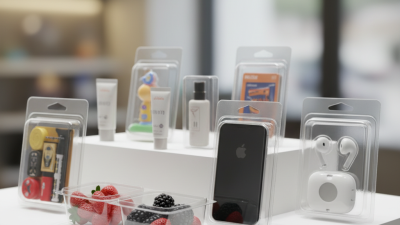
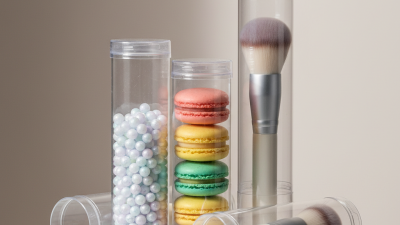
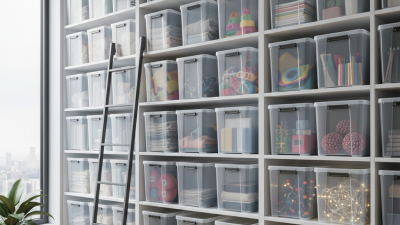
Clear plastic containers are becoming a practical choice for food, cosmetics, healthcare, household goods, and e-commerce packaging. Buyers can see the product immediately, while brands gain stronger shelf visibility and easier inventory checks. Yet clarity alone does not guarantee performance. Material type, closure design, wall thickness, and supply consistency still shape the final result.
Industry data supports this growing demand. Smithers’ market analysis reports continued expansion in global rigid plastic packaging, driven by convenience, lightweight design, and online retail distribution. Grand View Research also identifies plastic packaging as a major global market, with food, beverage, and personal care applications leading demand. PlasticsEurope has reported that packaging remains one of the largest uses of plastics in Europe. These findings explain why international buyers are comparing PET, HDPE, PP, acrylic, and recycled-content options more carefully.
The right container depends on the product.
A transparent PET jar may suit dry foods or skincare products requiring strong visual appeal. HDPE containers offer better chemical resistance for cleaners and personal-care liquids. PP performs well where heat resistance and repeated handling matter. Acrylic creates a premium appearance, but it can cost more and may scratch during transport. Recycled-content choices can reduce virgin plastic use, although availability, color consistency, and certification require careful verification.
This guide examines the top types of clear plastic containers for global buyers. It also considers protection, filling efficiency, customization, recyclability, and export conditions. Reported market trends are useful, but they are not universal promises. Supplier audits, sample testing, and regulatory checks remain essential before purchase. Real packaging decisions need evidence, not attractive catalog images.
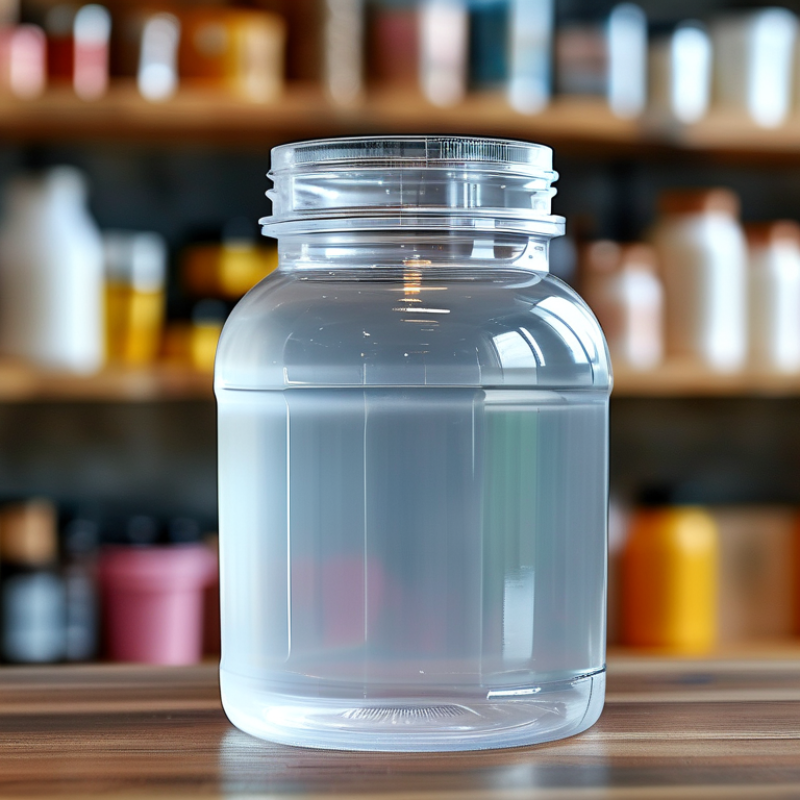
Top Types of Clear Plastic Containers for Global Buyers
Main categories of clear plastic containers serve different products, handling needs, and markets. PET bottles and jars offer strong transparency, light weight, and reliable impact resistance. They suit beverages, sauces, personal-care liquids, and dry goods. Their glass-like appearance helps shoppers inspect color and fill levels quickly.
PP containers provide better heat resistance and flexible closure options. They work well for meal preparation products, laboratory supplies, and household storage. For rigid presentation, clear polystyrene containers can support bakery items, snacks, and lightweight retail packaging. Polycarbonate containers are tougher, but buyers should confirm local requirements for the intended use. Material choice is never only about appearance.
Tips: Check wall thickness, lid fit, stacking strength, and temperature limits. Ask for samples. Test them with the actual product, not water alone. Confirm food-contact documents, recycled-content claims, and destination-market requirements before placing a large order. Small differences in clarity, sealing, or drop resistance can create expensive problems during shipping. I have seen attractive containers fail because their lids warped under warehouse heat. That mistake is easy to underestimate. Also review carton dimensions, pallet stability, and moisture protection. Clear packaging reveals defects quickly, so scratches and uneven surfaces deserve close inspection. A perfect sample may still perform differently in mass production. Insist on documented quality checks and a practical tolerance range.
| Main Category | Typical Material | Transparency | Key Characteristics | Common Container Formats | Typical Applications | Recycling Identification | Important Buying Considerations |
|---|---|---|---|---|---|---|---|
| Clear PET Containers | Polyethylene terephthalate (PET) | High clarity with a glossy appearance | Lightweight, strong, shatter-resistant, and widely used for packaged products | Bottles, jars, wide-mouth containers, clamshells, and trays | Water, beverages, sauces, dry foods, cosmetics, and personal-care products | #1 PET/PETE | Check oxygen and moisture barrier requirements, closure compatibility, wall thickness, and food-contact compliance. |
| Clear HDPE Containers | High-density polyethylene (HDPE) | Naturally translucent; high-clarity grades are available | Tough, impact-resistant, chemically resistant, and suitable for demanding handling | Bottles, jerry cans, wide-mouth jars, and chemical containers | Household chemicals, shampoos, detergents, laboratory supplies, and food products | #2 HDPE | Confirm the required clarity level, chemical compatibility, stress-crack resistance, and container performance during transport. |
| Clear PVC Containers | Polyvinyl chloride (PVC) | Good clarity and surface gloss | Rigid, economical, and available in clear or flexible formulations | Bottles, blister packs, folding boxes, tubes, and display containers | Personal care, stationery, retail packaging, medical packaging, and household products | #3 PVC | Review additive restrictions, disposal requirements, temperature limits, and destination-market regulations. |
| Clear PP Containers | Polypropylene (PP) | Translucent to semi-clear; clarified grades provide improved clarity | Good fatigue resistance, low density, and better heat resistance than many common packaging plastics | Food tubs, hinged containers, laboratory cups, jars, and storage boxes | Ready-to-eat foods, dairy products, medical items, cosmetics, and reusable storage | #5 PP | Specify whether microwave or hot-fill use is required, and verify hinge durability, sealing performance, and clarity grade. |
| Clear PS Containers | Polystyrene (PS) | High clarity in general-purpose grades | Rigid, lightweight, and easy to thermoform, but more brittle than PET or PP | Cups, trays, lids, sample containers, and display packs | Bakery goods, foodservice items, laboratory samples, and retail displays | #6 PS | Consider impact resistance, cold-temperature brittleness, food-contact rules, and local recycling availability. |
| Clear Acrylic Containers | Polymethyl methacrylate (PMMA) | Very high optical clarity with glass-like appearance | Rigid, lightweight, weather-resistant, and highly suitable for visual presentation | Display boxes, cosmetic jars, dispensers, organizers, and premium storage containers | Retail displays, cosmetics, home organization, hospitality, and promotional packaging | Usually #7 Other | Evaluate scratch resistance, impact requirements, UV exposure, machining quality, and end-of-life handling. |
| Clear Polycarbonate Containers | Polycarbonate (PC) | High clarity with strong light transmission | Excellent impact strength, dimensional stability, and resistance to repeated handling | Reusable storage boxes, laboratory vessels, protective cases, and specialty containers | Laboratories, foodservice, industrial storage, medical applications, and reusable systems | Usually #7 Other | Check chemical compatibility, intended temperature range, scratch resistance, and applicable food or medical regulations. |
| Clear Bioplastic Containers | PLA or other certified bio-based polymers | Clear to translucent, depending on formulation and processing | Can reduce reliance on fossil-based feedstocks, but performance and disposal routes vary | Cups, trays, clamshells, food tubs, and lightweight display packs | Cold food, bakery products, catering, retail packaging, and short-life applications | Often #7 Other | Verify the exact polymer, compostability certification, industrial composting access, heat limit, and destination-country labeling rules. |
Note: Recycling acceptance, food-contact approval, composting infrastructure, and labeling requirements vary by country and local authority. Buyers should confirm the applicable regulations before placing an order.