Cardboard trays have become essential in various industries, streamlining packaging and transport processes. According to Jane Smith, a packaging specialist at EcoPack Innovations, "Cardboard trays combine practicality with sustainability." This assertion highlights the dual benefits of using cardboard trays today.
These trays are lightweight yet sturdy. They are designed to handle a range of products, from fresh produce to electronics. Their versatility is a game-changer for businesses looking for efficient packing solutions. However, the reliability of cardboard trays can vary based on material quality and design. It isn’t uncommon to encounter issues such as moisture sensitivity, which can affect their strength.
Moreover, consumers increasingly focus on sustainable practices. Cardboard trays align well with eco-friendly trends. Still, many businesses struggle to balance cost and sustainability. Exploring options can lead to better choices. By understanding the role of cardboard trays, companies can improve their logistics while supporting eco-conscious initiatives.

Cardboard trays are versatile packaging solutions widely used in various industries. They are often used for transporting food items, electronics, and retail products. According to a study by the Paper and Paperboard Packaging Environmental Council, approximately 75% of all packaging materials are made from paper or paperboard. This highlights the prominence of cardboard trays in the market.
These trays offer effective stackability and protection. They are lightweight yet sturdy, making them ideal for both shipping and display purposes. In 2022, the global cardboard packaging market was valued at over $300 billion, with a projected annual growth rate of 4.5% through 2028. This trend indicates increasing demand for eco-friendly packaging solutions.
Businesses use cardboard trays for various applications. Restaurants utilize them for serving takeout meals. Retailers often use them for merchandise displays. However, it is essential to reflect on their production impact. While cardboard is recyclable and biodegradable, not all trays meet environmental standards. Ensuring the use of sustainable materials is crucial for reducing the industry's overall footprint.
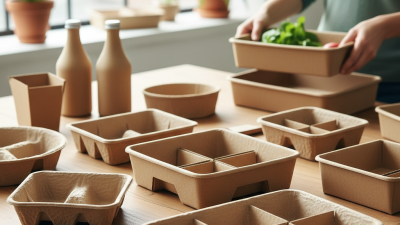
Cardboard trays have become essential in many industries. They offer several key benefits that improve efficiency and sustainability. A report from the Paper and Packaging Association highlights that cardboard packaging is recyclable in 70% of cases. This makes it an eco-friendly choice that aligns with the increasing demand for sustainable practices.
In the food industry, cardboard trays provide a safe and hygienic way to package products. According to research by the Food Packaging Institute, 78% of consumers prefer environmentally friendly packaging. This preference has led many businesses to adopt cardboard trays, allowing them to meet consumer expectations while reducing plastic waste. Additionally, these trays are lightweight and easy to handle, resulting in lower transportation costs and less fuel consumption.
However, these trays also have limitations. They may not be as durable as plastic alternatives in certain situations. For instance, if exposed to moisture, cardboard can weaken. This requires businesses to assess their specific needs carefully. Still, the overall benefits, such as cost-effectiveness and recyclability, make cardboard trays a valuable consideration in many sectors.
Cardboard trays have become essential in various industries. They are versatile and economical. Different designs cater to diverse needs. Let’s explore the main types and features.
One popular type is the single-wall tray. It is lightweight and suitable for transport. This design provides basic protection while remaining cost-effective. It often lacks structural integrity when holding heavier items. Users should consider their specific requirements when using it.
Another option is the double-wall tray. This design offers enhanced strength. It can hold more weight without compromising durability. These trays are ideal for bulkier items but may increase shipping costs. Additionally, custom inserts can improve security. Companies often overlook the importance of choosing the right tray type. The wrong choice could lead to damaged products or wasted resources.
| Tray Type | Design Features | Uses | Benefits |
|---|---|---|---|
| Standard Cardboard Tray | Simple design, flat base, high walls | Food service, retail displays | Cost-effective, easy to stack |
| Divided Cardboard Tray | Internal dividers, customized sections | Snacks, condiments | Organized presentation, reduces spillage |
| Eco-Friendly Tray | Made from recycled materials, biodegradable | Sustainable brands, organic food | Environmentally friendly, promotes sustainability |
| Display Tray | Attractive design, branded graphics | Point of sale displays, trade shows | Enhances marketing, grabs attention |
| Custom-Shape Tray | Unique shapes, tailored dimensions | Special events, themed parties | Creative branding, memorable experience |
Cardboard trays are an eco-friendly packaging option that can reduce environmental impact. They are made from renewable resources and are recyclable, making them a sustainable choice for many businesses. Using cardboard trays can significantly lower your carbon footprint compared to plastic alternatives. However, it's important to ensure that the cardboard is sourced from responsible suppliers to truly claim sustainability.
When considering the environmental impact, one must think about the entire lifecycle of the product. Cardboard trays decompose more easily than plastic, promoting healthier ecosystems. Nevertheless, these trays require resources for production and transportation. This raises questions about resource depletion and transportation emissions. Examining the balance between convenience and environmental responsibility is essential.
Creating a sustainable strategy with cardboard trays requires commitment. Reuse them whenever possible to extend their lifecycle. Educate employees about recycling protocols to maximize efficiency. Always look for suppliers that prioritize sustainable practices. These small actions can collectively make a significant difference in reducing waste and promoting sustainability. While cardboard trays provide advantages, reflecting on their overall impact encourages us to make informed decisions.
Choosing the right cardboard tray for your needs can be a daunting task. Start by considering the purpose of the tray. Different trays serve various functions. Some are ideal for packaging, while others are perfect for storage. Determine if you need a sturdy tray for heavy items or a lightweight option for lighter goods.
Next, examine the dimensions. The size of the tray should fit your products comfortably. A tray too small will not hold your items, while one too large may waste space. Check the weight capacity as well. This factor will ensure that your tray does not break under pressure.
Material quality plays a crucial role in durability. Opt for trays made from thick cardboard if you want something long-lasting. Recyclability is another essential aspect to think about. Eco-friendly options reflect a commitment to sustainability. Evaluate your storage space and how these trays will fit in. Sometimes, less is more, especially if managing space is a concern.