In 2026, the market for plastic wraps is evolving rapidly. Buyers worldwide seek high-quality options that meet their diverse needs. As sustainability becomes a priority, manufacturers innovate new materials. Understanding these trends is essential for making informed choices.
Plastic wraps serve various purposes in both homes and businesses. From food storage to protective packaging, their versatility is unmatched. However, not all plastic wraps are created equal. Some contain additives that may not meet safety standards. Buyers should look for brands committed to transparency and eco-friendliness.
In this overview, we will explore the best plastic wraps available globally. We will highlight the unique features and benefits of each option. While some may excel in stretchability, others may prioritize biodegradability. A thoughtful selection can enhance user experience and promote responsible consumption.
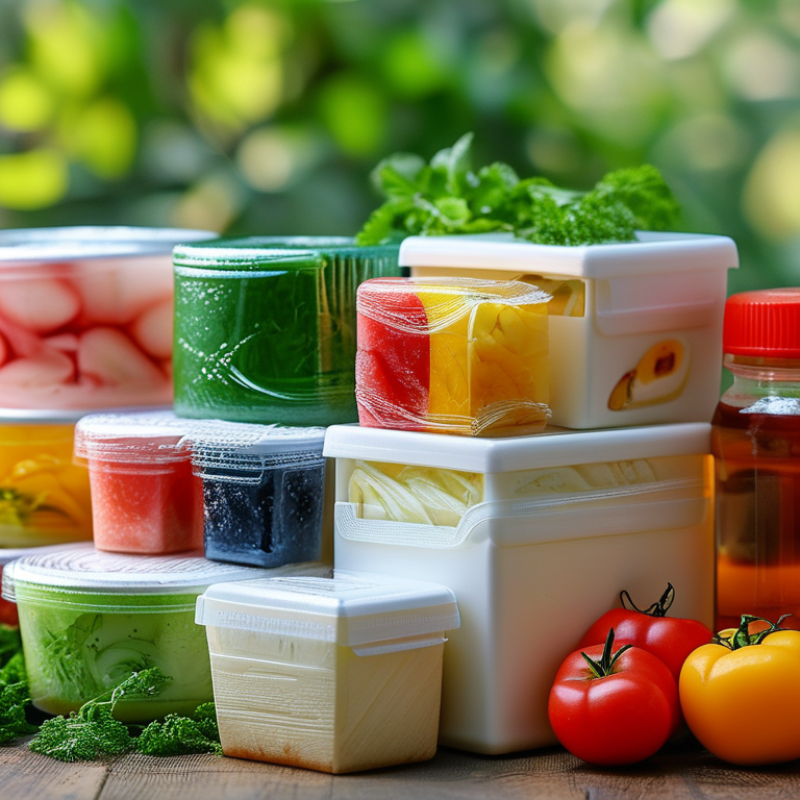
Plastic wraps are a staple in many households and kitchens. Their primary function is to cover food items, helping to preserve freshness and prevent spoilage. According to a 2022 market report, the global plastic wrap market was valued at over $5 billion, reflecting its importance in daily food storage practices.
Many people may not realize the environmental impact of plastic wraps. Reports indicate that the average American family uses more than 1000 square feet of plastic wrap each year. This raises concerns about plastic waste. While convenient, the reliance on single-use plastics needs reevaluation. Alternatives exist, but the transition can be slow.
Even with their widespread use, plastic wraps face criticism for their effectiveness. Some studies suggest that they do not always create an airtight seal. This can lead to food drying out or developing odors. The effectiveness may vary based on wrap quality and application method. Consumers should seek wraps suited to their needs while remaining aware of environmental implications.
When exploring types of plastic wraps, the materials and features play a crucial role. Several options are available, each with strengths and weaknesses. Polyethylene wraps are common; they are thin and versatile but may not provide the best sealing properties. Their ease of use makes them a favorite for everyday tasks.
Stretch films offer better cling and durability. They can cover various items, from food to equipment. However, some users report difficulty in tearing them neatly. This inconsistency can be frustrating during busy kitchen moments.
Another type, PVC wrap, is often chosen for its excellent transparency. This feature is helpful for displaying food in delis or restaurants. However, concerns about health and environmental effects have emerged. These wraps tend to be less eco-friendly than their counterparts. Each material has its unique characteristics that can impact user experience.
In the realm of plastic wraps, the global market is evolving rapidly. According to a recent market research report, the plastic wrap industry is projected to grow at a compound annual growth rate of 3.5% through 2026. This growth reflects increased consumer demand for convenience and food preservation. A variety of materials are used in production, influencing durability and pricing.
When exploring top brands worldwide, it is essential to consider their materials. Many companies utilize polyethylene, known for its flexibility and barrier protection. However, not all plastic wraps provide the same level of effectiveness. Some wraps struggle with cling and durability, leading to waste and frustration for consumers. Reports indicate that eco-friendly alternatives are gaining traction, reflecting a shift in consumer values toward sustainability.
Understanding these trends is crucial for buyers. The choice of plastic wrap shouldn’t just be about price. Quality matters significantly. A wrap that glides easily and clings well can keep food fresh longer. In contrast, inferior products can result in spoilage and increased food waste. Buyers should educate themselves on specifications and performance ratings to make informed decisions. The right choice can impact both budget and environmental footprint.
When selecting plastic wraps, consider these key factors. Begin with thickness. Thicker wraps provide better durability and stretch. They help keep food fresh longer. Thin wraps might tear easily, leading to waste. Look for options with great adhesion too. A strong cling helps prevent air exposure.
Material is another essential aspect. Many wraps are made from PVC or PE, each with distinct properties. PVC offers excellent cling but can be less environmentally friendly. PE is safer for food but may not stick as well. Choose based on your usage and eco-consciousness.
Lastly, consider ease of use. A roll with a sturdy cutter is practical and reduces frustration. Avoid awkward tearing that can ruin your experience. Pay attention to disposal instructions. Some wraps are recyclable, while others may not be.
Tips: Always check for BPA-free options, especially if using wraps for direct food contact. Store wraps in a cool, dry place to maintain their quality.
The rising demand for eco-friendly products has influenced the plastic wrap industry significantly. According to a recent market report, the global eco-friendly plastic wrap market is estimated to grow by 25% over the next five years. Consumers are increasingly looking for sustainable alternatives to traditional plastic wraps. Various biodegradable options made from plant-based materials are gaining popularity. These products break down more quickly, reducing environmental impact.
Despite these advancements, challenges remain. Many consumers still opt for conventional plastic wraps due to cost and familiarity. Studies show that only 30% of buyers consciously choose sustainable wraps. The price of eco-friendly options is often higher, which can deter potential buyers. Moreover, the actual performance of these wraps can sometimes be less efficient than their conventional counterparts, leading to frustration.
Recycling practices also pose a significant hurdle. Many biodegradable wraps cannot be recycled in standard facilities. This confusion can leave consumers uncertain about disposal methods. Increased education on these products is vital. The industry could benefit from clearer labeling and more accessible recycling options. Creating a stronger commitment to sustainability requires knowledge and effort from both consumers and manufacturers.