Choosing the right blister packaging for your product is crucial in today's competitive market. Blister packaging not only protects your product but also enhances its visibility. With a myriad of options available, making the right choice can be overwhelming. Understanding the specific needs of your product is essential.
Many factors come into play when selecting blister packaging. Material type, size, and shape are vital considerations. For instance, medical devices often require high durability, while cosmetics may focus on aesthetics. Blister packaging must align with your brand image while ensuring product safety.
However, it's common for businesses to overlook important aspects. Some may prioritize cost over quality, leading to packaging failures. Others might not consider consumer preferences. Reflecting on these factors can prevent costly mistakes. Proper research and testing will guide you towards the best blister packaging solution.
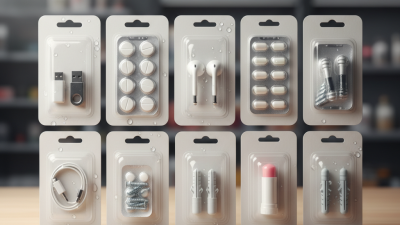
Blister packaging comes in various types, each serving specific applications. It is commonly used for pharmaceuticals, consumer goods, and electronics. There are three main types: carded blister, heat-sealed blister, and push-through blister. Each type provides differing levels of visibility and protection. Choosing the right type depends on your product's needs.
Carded blisters offer visibility and are often used for retail products. They allow consumers to see the item while it remains secured in the packaging. Heat-sealed blisters create a strong barrier against moisture and tampering, making them ideal for medications. Push-through blisters facilitate easy access, which can enhance user experience for items like batteries.
Consider the specific demands of your product. Evaluate factors such as shelf life, safety, and user convenience. Not every type is suitable for all products. Conduct tests to determine which type optimally meets your requirements. Reflect on your observations. This process may seem tedious, but analyzing these aspects leads to better choices. Packaging plays a critical role in product success. Proper selection can enhance buyer confidence.
Choosing the right blister packaging requires a deep understanding of your product's characteristics. The product's size, shape, and material attributes significantly influence packaging decisions. Certain products require airtight seals, while others need visibility. For fragile items, cushioning is crucial.
Too loose packaging can lead to damage. On the other hand, overly tight packaging may create a negative user experience.
Think about the product's shelf life. Temperature sensitivity and moisture exposure are key factors. Products that are heat-sensitive should utilize materials that provide thermal protection. If moisture could degrade the product, a moisture barrier is essential. Always consider how consumers will interact with the packaging. Easy open features can enhance usability, but they should not compromise protection.
Explore the sustainability of your choices. Many materials are available that balance performance and environmental impact. However, opting for more eco-friendly options can sometimes compromise durability. Evaluate trade-offs carefully. The perfect package is not always easy to find. Aim for a solution that protects your product while also meeting consumer expectations. Test different designs and gather feedback to refine your final selection.
Choosing the right blister packaging involves understanding cost efficiency and production factors. Cost efficiency is not just about price. It’s about maximizing value while minimizing waste. Evaluate the materials used. Some materials are cheaper but may not protect the product effectively. This can lead to increased returns or damaged goods.
When considering production aspects, think about the machine compatibility. Not all blister packaging works with every production line. Incompatible packaging can slow down processes and increase labor costs. It’s essential to consult with manufacturers about their equipment. This ensures smooth integration and reduces downtime.
Tips: Always request a sample of the blister packaging. Test it thoroughly to see how well it protects your product. Analyze production times and costs. Adjust your strategy if it’s not efficient. Keep an eye on trends in materials and technology. They can offer new options that enhance your packaging process.
When designing blister packaging, understanding regulatory requirements is crucial. Compliance can dictate the materials and processes you use. Certain industries, especially pharmaceuticals and food, have strict guidelines. For instance, packaging must offer child resistance and tamper evidence. These factors are key to ensuring consumer safety.
It’s important to stay updated on regulations. Guidelines can vary by region and product type. Checking with regulatory agencies is a necessary step. Even minor oversights can lead to significant issues. Consider investing in professional guidance to navigate complex regulations. This can help avoid pitfalls and ensure your packaging meets all necessary standards.
Testing your packaging is often overlooked. Conducting simulations can reveal weaknesses early in the design process. Obtaining feedback from compliance experts can also shed light on potential improvements. This approach safeguards not only your product but also your reputation in the market. Transparency in meeting these standards fosters trust with consumers.
When selecting blister packaging, sustainability plays a crucial role. According to a report by Smithers Pira, the global demand for sustainable packaging solutions is projected to reach $400 billion by 2024. This shift is driven by consumers' increasing preference for eco-friendly options. Many companies now seek biodegradable and recyclable materials to reduce their environmental footprint.
Choosing the right materials can be challenging. While PVC is commonly used for blister packs, it poses recycling issues. Alternatives like PET or PLA have gained traction in recent years. The USDA states that 44% of consumers prefer products with eco-friendly packaging. Brands should consider the lifecycle of materials from production to disposal. Using renewable resources enhances credibility with eco-conscious consumers.
Understanding the nuances of sustainable packaging is essential but often overlooked. Some materials labeled as compostable may not break down effectively in typical landfill settings. This can lead to misinformation and wasted resources. It’s crucial for brands to conduct thorough research on material sourcing and certification processes. As the market evolves, continuous evaluation and adaptation are key to achieving true sustainability in blister packaging.