Packaging Specialists
Packaging | Healthcare | Moulding

What Are the Best Clamshell Boxes for Packaging?

Choosing the best clamshell boxes requires more than comparing transparent plastic and low prices. The right package must protect the product, present it clearly, and support efficient handling. Product weight, shape, sealing method, shelf conditions, and opening experience all matter.

Packaging consultant Ron Sasine has often emphasized, “Packaging is a system, not a single component.” That principle fits clamshell boxes well. A rigid PET clamshell can protect small electronics from crushing, while a recycled-content option may suit lightweight accessories. Hinges should open smoothly, yet remain secure during transport. Weak seams can cause trouble before the product reaches a store.

Small details matter.

During packaging evaluations, teams should inspect sample boxes under realistic conditions. Place them in cartons, stack them, and expose them to ordinary warehouse movement. Check whether corners crack, labels peel, or the product shifts inside. A box that looks excellent on a design screen may feel awkward in a customer’s hands.

The “best” choice is rarely universal. Some packages reduce material use but lose stiffness. Others look premium but create difficult opening moments. I have seen attractive clamshell boxes fail because their seal was too strong for the target user. That weakness deserves attention, not concealment.

This guide compares material types, closure designs, product protection, display value, sustainability claims, and practical costs. It also questions assumptions that packaging teams sometimes accept too quickly. Reliable decisions come from tested samples, measurable requirements, and honest feedback from retailers and customers.
What Are the Best Clamshell Boxes for Packaging?

Clamshell Box Basics and Key Packaging Features

What Are the Best Clamshell Boxes for Packaging?

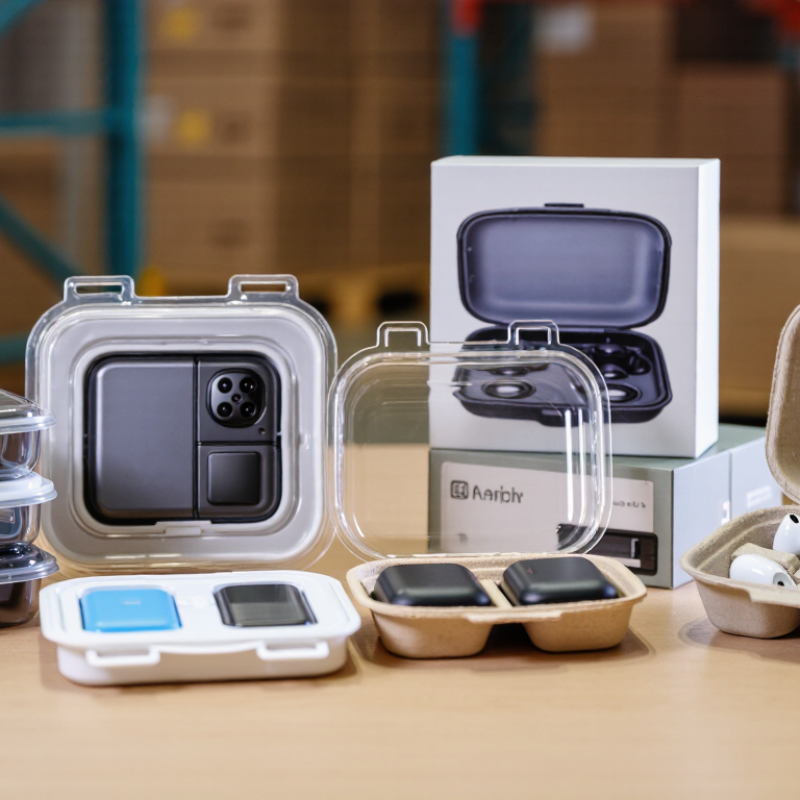
Clamshell boxes use two connected halves that fold around a product. The closure may rely on a snap lock, tabs, or heat sealing. Clear plastic offers instant product visibility, while opaque paperboard can provide a softer, more premium appearance. The best choice depends on product size, weight, moisture exposure, and display requirements.

A tight fit reduces movement and prevents scuffing during transport. Extra space often creates avoidable damage.

Key packaging features deserve close inspection.

Check the hinge for smooth movement and repeated-use strength.
Examine the edges for sharp points, uneven cuts, or weak seams.
The closure should click firmly without requiring excessive force.
For hanging displays, reinforced holes matter.
For stacked storage, a flat base and consistent dimensions are essential.

I also recommend testing the box with the actual product, not an empty sample. Empty packaging can give misleading results.

Material information should be clear and verifiable. Ask for documentation about composition, recycled content, recyclability, and suitable storage conditions. Do not assume a transparent box is automatically sustainable. That assumption is easy, and often wrong.

I once focused too much on appearance and overlooked the opening experience. Customers struggled with the stiff seal.

A useful clamshell protects the product, communicates its condition, and remains practical for handling. Small flaws become obvious after repeated use.
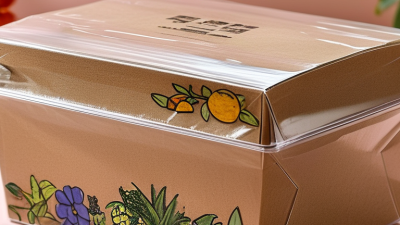
Common Materials Used in Clamshell Box Manufacturing

What Are the Best Clamshell Boxes for Packaging?

Common Materials Used in Clamshell Box Manufacturing

Material choice controls clarity, protection, cost, and recycling potential. PET remains popular because it is transparent, lightweight, and relatively rigid. Recycled PET can reduce virgin plastic use, although its clarity may vary between batches. The OECD’s Global Plastics Outlook reports that only 9% of plastic waste was recycled globally in 2019. That figure should make packaging teams question easy sustainability claims.

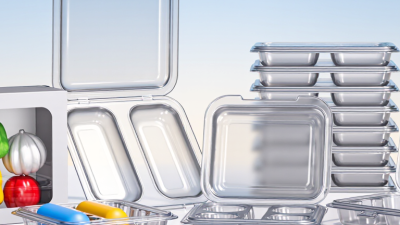
Polypropylene is another practical option. It tolerates impact and repeated hinge movement better than many brittle plastics. It also performs well when products face moderate heat during storage or transport. PVC can provide strong visibility and low production costs, but collection and recycling systems differ widely by region. Paperboard clamshells, sometimes paired with a thin plastic window, offer a more tactile appearance. However, mixed materials can complicate separation after use.

Industry data provides useful scale. PlasticsEurope reported global plastic production of about 400.3 million tonnes in 2022. Packaging remains a major application, so small design decisions matter. In testing, I would check hinge fatigue, seal strength, edge sharpness, and moisture exposure. A clear box may look excellent but fail after cold storage. No material is perfect. The best choice depends on product weight, shelf visibility, transport stress, and local recycling infrastructure.

Main Clamshell Box Types and Their Packaging Applications

Clamshell packaging is not one universal format. The best type depends on product shape, handling conditions, display needs, and opening behavior. A hinged clamshell uses a connected lid and base, making it practical for small tools, craft supplies, and household accessories. It keeps the product visible and reduces loose parts inside the package.

A two-piece clamshell offers a separate front and back section. It suits lightweight electronics, cosmetic tools, and compact consumer goods that need a firm, shaped cavity. PET provides clear visibility and good stiffness, while recycled PET can reduce material impact when its quality meets packaging requirements. PP performs better where products face higher temperatures or repeated handling. Not every product needs a rigid plastic shell.

In packaging trials, fit matters more than appearance alone. A cavity that is too tight may scratch surfaces or slow production. A loose cavity can create noise, movement, and poor shelf presentation. Heat sealing can improve tamper evidence, but it may make opening frustrating without a tear feature or marked access point. Drop tests, compression checks, and humidity exposure reveal weaknesses that photographs cannot show. The first design is rarely perfect. Teams should question excess plastic, difficult opening, and unnecessary inserts before approving production.

What Are the Best Clamshell Boxes for Packaging? - Main Clamshell Box Types and Their Packaging Applications

Comparison of common clamshell box types and their packaging applications
Clamshell Box Type Typical Material Main Structural Features Best Packaging Applications Product Visibility Key Advantages Important Limitations Overall Suitability
Standard Hinged Clamshell PET, rPET, or PP One-piece container with an integrated hinge and snap closure. Small consumer goods, hardware, stationery, accessories, and retail items requiring clear presentation. Excellent; the product is visible from multiple sides. Simple opening, efficient product display, good protection from dust and handling damage. Some snap closures can be difficult to open without a tool; recycling depends on the material and local facilities. Best all-purpose option
Two-Piece Clamshell PET, rPET, PP, or paperboard with a transparent window Separate top and bottom sections joined by a rim, lock, heat seal, or label. Food portions, gift sets, electronics accessories, cosmetic sets, and products needing flexible sizing. Excellent to very good, depending on window coverage. Flexible design, easy filling, and available in a broad range of depths and footprints. May require an additional seal or label for tamper evidence and secure transport. Best for flexible formats
Tri-Fold Clamshell Clear PET or rPET Three connected panels fold around the product and can include a locking tab. Long or irregularly shaped goods, tool sets, craft items, personal-care accessories, and promotional kits. Excellent; multiple panels support front, rear, and side viewing. Provides strong product presentation and can hold shaped inserts or multiple components. Uses more material and may require careful die design to achieve consistent folding and closure. Best for shaped products
Hanging Retail Clamshell PET, rPET, or PP Clamshell body with an integrated hanging hole or reinforced retail display tab. Blister-style retail products, small tools, cables, hobby items, accessories, and compact household goods. Excellent on peg displays and retail shelves. Uses vertical merchandising space efficiently and supports clear front-facing presentation. The hanging area must be strong enough for the filled package; oversized tabs can add material use. Best for peg displays
Tamper-Evident Clamshell PET, rPET, or PP with a welded, heat-sealed, or permanent locking edge Closure is designed to show visible damage or separation when opened. Food, medical accessories, personal-care products, batteries, and high-shrinkage retail goods. Very good to excellent. Helps communicate package integrity and can reduce unnoticed product access before purchase. Often difficult to open and may require scissors; permanent seals can reduce package reusability. Best for security
Reusable Snap-Lock Clamshell Durable PP or thicker PET Rigid body with a repeatable mechanical closure intended for multiple openings. Storage accessories, craft supplies, travel items, small components, and products used over an extended period. Excellent. Supports repeated access, protects contents between uses, and can function as secondary storage. Usually heavier and more material-intensive than single-use formats; the closure may add production cost. Best for reuse
Food-Grade Produce Clamshell Usually PET or rPET; material selection must comply with food-contact requirements. Ventilated hinged container with drainage or airflow openings and a secure lid. Berries, grapes, cherry tomatoes, leafy produce, bakery portions, and other delicate foods. Excellent; helps shoppers inspect freshness and condition. Protects delicate products from crushing while allowing visibility and controlled ventilation. Ventilation and seal design must match the product; not all recycled materials are suitable for every food-contact application. Best for delicate produce
Paperboard Window Clamshell Folded paperboard with a cellulose or plastic viewing window Die-cut folded carton with locking panels and a transparent display area. Gift items, bakery products, cosmetics, accessories, and applications emphasizing a paper-based appearance. Good to very good, depending on window size. Offers strong printable surface area, a lighter visual appearance, and efficient flat shipping before assembly. Lower moisture resistance than plastic unless coated; mixed-material windows may complicate recycling. Best for printed presentation

Material recyclability, food-contact suitability, tamper evidence, and package performance should be verified against the applicable local regulations, recycling infrastructure, product weight, and distribution conditions.

How to Choose the Best Clamshell Box for Your Product

Choosing the best clamshell box starts with the product, not the shelf. Measure its length, width, height, and fragile edges. A box that looks neat can still allow movement during shipping. I learned this after a small accessory arrived with a scratched surface. The insert was too loose. Decide whether you need a hinged clamshell, a two-piece style, or a custom insert. Hinged designs open quickly, while two-piece boxes may offer better presentation. Clear packaging shows color and texture immediately. Paper-based options can create a softer, more responsible impression.

Check closure strength, material thickness, and visibility before ordering a large batch. Press the hinge repeatedly and inspect the corners during normal handling. If the package opens on a retail display, the fit is not reliable enough. Consider how customers will open it. Sharp edges, stubborn tabs, or excessive force can damage the product and frustrate buyers. Choose dimensions with little empty space, but leave room for protective padding. Ask suppliers for samples and test them in warm, cold, and humid conditions. Performance can change noticeably. Confirm that the material suits your market’s recycling and labeling requirements. Requirements vary.

Tips: Photograph the packed product from several angles. Weigh the complete package. Drop-test a sample from waist height onto a hard surface. Inspect the hinge, seal, and contents afterward. Record every result. If one test fails, revise the structure before production. A cheaper box is not always cheaper after returns, damage, and repacking. Also review accessibility with real users. My first sample passed shipping tests but was frustrating to open. That detail mattered more than expected.

Sustainability, Protection, and Cost Considerations

For many products, the best clamshell box balances sustainability, protection, and total cost. The right choice depends on product weight, shelf life, and local recycling systems. Clear PET provides strong visibility and good impact resistance. Recycled PET can reduce reliance on new plastic, but its quality and availability may vary. Paperboard-backed designs often use less plastic and support easier printing. However, their environmental value depends on coatings, adhesives, and regional recycling access. Ask suppliers for material details and third-party documentation.

Protection starts with accurate dimensions. A tight hinge, secure closure, and shaped cavity can prevent movement during transport. In packaging trials, I would use drop tests, compression tests, and repeated opening checks. Small electronics may need anti-static protection. Food-related products may require moisture resistance and approved contact materials. Do not trust appearance alone. A rigid box can still crack at its corners or open under vibration.

Cost involves more than the unit price. Tooling, setup, assembly, storage, freight, and disposal can change the final result. Standard sizes usually reduce tooling and shorten production time. Lightweight designs may lower shipping costs, but they can increase damage rates. A cheap unit is not always economical. Labor matters too, especially when workers remove inserts or apply seals by hand. A practical decision compares delivered cost, defect rates, customer handling, and end-of-life options. No option is perfect. Even recyclable packaging may be rejected when labels or mixed materials complicate sorting.