Packaging Specialists
Packaging | Healthcare | Moulding

Why Are Plastic Tubes Popular for Packaging?

Plastic tubes are common on bathroom shelves, pharmacy counters, and workshop benches. Their appeal is practical: a flexible body can dispense a controlled amount, while a sealed opening helps protect the contents before use. Caps, shoulders, and tube walls can also be adapted to different products and filling needs. Not every tube performs equally well.

Packaging educator Walter Soroka describes packaging as “the science, art, and technology of enclosing or protecting products for distribution, storage, sale, and use.” That broad definition helps explain why plastic tubes remain popular: they combine containment, portability, and convenient dispensing in one familiar format. A small squeeze can release a narrow ribbon of cream; a wider opening may suit thicker formulas. For brands, printable surfaces offer room for instructions and product information. Yet these benefits depend on design. Material choice, wall thickness, closure fit, and product compatibility all matter. A tube that protects well may still be difficult to empty, and recyclability can depend on its construction and local collection systems. That trade-off deserves attention. This introduction explores the features behind the popularity of plastic tubes, along with the practical limits that buyers and manufacturers should consider.
Why Are Plastic Tubes Popular for Packaging?

What Plastic Packaging Tubes Are and How They Are Made

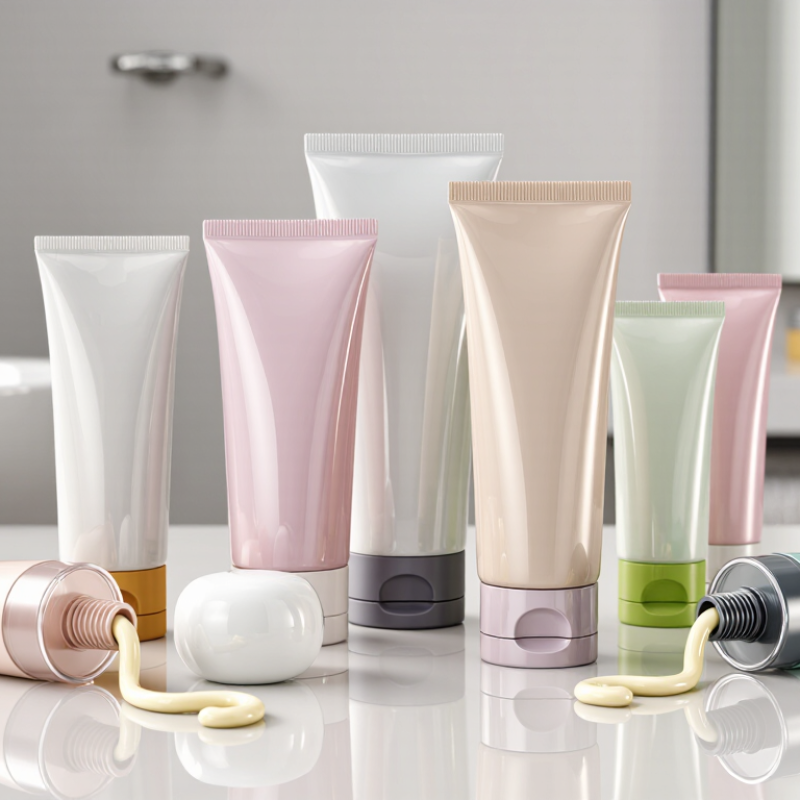
Plastic packaging tubes are hollow containers with a sealed shoulder, a dispensing opening, and a removable cap. They are commonly made from polyethylene or from laminated layers that combine plastic with barrier materials. The choice affects how the tube bends, protects its contents, and returns to shape after squeezing. Small details matter. A narrow nozzle controls the dose; a soft wall makes the last portion easier to dispense.

Manufacturing depends on the tube design. For an extruded tube, plastic pellets are heated and pushed through a circular die to form a continuous cylinder. The tube is cooled and cut, then a molded shoulder and neck are attached. Laminated tubes begin as flat sheets, which are rolled and joined at a seam before the shoulder is added. Printing, cap fitting, and sealing the open end complete the package. These steps sound tidy, but seams and layer choices can affect appearance and recyclability.

The scale of plastic packaging makes material choices worth examining. The OECD’s Global Plastics Outlook (2022) estimates that packaging generated about 40% of global plastic waste in 2019. That figure covers packaging broadly, not tubes alone. A tube may use less material than a rigid container for some products, but that is not automatic: thick walls, mixed layers, and small components can complicate recovery. The practical trade-off is easy to overlook.

Key Design Features of Plastic Tubes

Plastic tube design begins with a simple question: how should the product leave the package? A narrow nozzle can guide lotion onto a fingertip, while a wider opening suits thicker creams. The shoulder connects the tube body to the closure, and its shape affects how cleanly product flows. Small details matter.

The tube wall balances flexibility with protection. A soft wall is easy to squeeze, but it may crease or resist returning to shape. Multilayer structures can help limit exposure to oxygen, moisture, or light, depending on the product and materials used. A cap should stay secure during transport and open without excessive force. Flip-top caps are quick; screw caps can offer a more controlled seal. Neither choice is perfect for every use.

Material compatibility deserves a real test, not an assumption. A formula can affect the tube, seal, or printed surface over time. Check samples under ordinary storage conditions, and inspect them for leaks, odor changes, or unexpected softening. This step is easy to rush. It should not be. Even the best-looking design may prove awkward when wet hands struggle to open its cap.

Practical Benefits for Product Packaging

Plastic tubes are popular because they make everyday packaging easy to handle. Their flexible walls squeeze out lotions, creams, gels, and pastes with little effort. A flip-top cap can open with one hand, while a narrow opening helps control each portion. That matters beside a sink, in a travel bag, or during a busy morning. Tubes are lightweight and often withstand ordinary knocks better than glass containers. They also take up less space as contents are used. Still, a nearly empty tube can be surprisingly hard to flatten.

For product packaging, tubes offer practical room for labels and clear product information. The shape fits neatly on shelves, and different cap styles can suit different uses. A well-chosen material and closure can help protect contents from leaks and frequent handling, though performance depends on the product and package design. Compatibility should be checked before production. A tube that feels convenient for one formula may not work as well for another. That detail is easy to overlook.

Tips: Test the tube with the actual product. Check how easily it dispenses when nearly empty. Small details matter. Ask whether the cap stays secure in a packed bag, and consider how the package will be sorted or disposed of locally.

Common Uses Across Industries

Plastic tubes appear in personal care because they dispense controlled amounts and protect creams from frequent handling. Toothpaste, sunscreen, shampoo, and hand cream commonly use squeeze tubes. Cosmetics Europe reported that Europe’s cosmetics and personal-care market reached €96.5 billion in 2023, measured at retail prices. That scale helps explain the demand for convenient formats, though it does not measure tube use directly. A cap can still leak in a packed travel bag.

Pharmaceutical and healthcare packaging uses tubes for ointments, gels, and some oral-care products. Their narrow openings make small doses easier to apply, while laminated or barrier-coated walls can help limit contact with air and moisture. Food makers use tubes for products such as tomato paste, icing, and condiments; household brands use them for adhesives and cleaning creams. The package must match the contents. A design suitable for hand cream may not protect a food paste equally well.

Plastic remains a major packaging material across these categories. Grand View Research estimated the global plastic packaging market at US$431.9 billion in 2023. That figure covers more than tubes, but it shows the scale of the wider market in which tube packaging competes. Material choice matters: a tube’s layers can make recycling difficult, and “squeezable” does not automatically mean recyclable. That part is often overlooked.

Environmental Considerations and Packaging Alternatives

Plastic tubes remain popular because they are light, squeezable, and easy to carry. A small tube can protect creams or gels from air and messy handling. Yet convenience does not tell the whole environmental story. Material choice, manufacturing, transport, and disposal all matter.

A tube made from several bonded layers can be difficult to recycle, even when one layer is recyclable on its own. Small caps and leftover product can complicate sorting, too. Check local recycling guidance before assuming an empty tube belongs in the bin. It may not. Packaging teams can also reduce impact by using less material, choosing compatible components, and making disposal instructions clearer. These changes sound simple, but they depend on local collection systems.

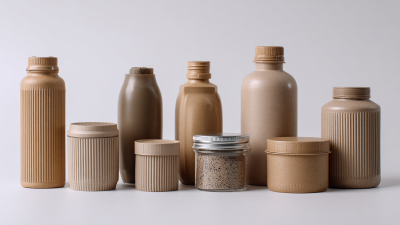
Alternatives have trade-offs. Paper-based tubes may use less plastic, but coatings or moisture barriers can affect recycling. Aluminum tubes are recyclable in many places, though recycling access and energy use vary. Refillable containers can cut packaging waste when people reuse them repeatedly; a refill option that is awkward or costly may sit unused. It is tempting to call paper the clear winner, but that overlooks performance and end-of-life details. The better choice depends on the product, how it is used, and what local facilities can actually process. A clean design is not automatically a greener one.

Why Are Plastic Tubes Popular for Packaging? — Environmental Considerations and Packaging Alternatives

Packaging format Why it is used Environmental considerations Practical trade-offs
Plastic tube Lightweight, squeezable, and convenient for dispensing creams, gels, pastes, and some foods. The enclosed format helps protect contents from direct contact and can make controlled dosing easier. Recyclability depends on the tube’s material and construction. Tubes made from one type of plastic may be easier to sort than tubes with multiple material layers; local collection rules also vary. Residual product can make recycling more difficult. Can be designed with different barrier properties and closures, but some designs are harder to empty or recycle than others.
Glass container Provides a rigid container and can be suitable for products that need strong protection from moisture or chemical interaction. Glass is recyclable in many places, though accepted colors and collection systems vary. It is heavier than plastic, which can increase transport-related emissions. Durable but breakable and heavier to ship; may require protective packaging.
Metal tube or container Can provide a strong barrier against light, air, and moisture, depending on the design and product. Metal is recyclable where suitable collection and processing systems exist. Recycling performance depends on the material, coatings, closures, and local facilities. May be less flexible to squeeze than plastic and can be dented during handling.
Paper-based carton or tube Can be appropriate for dry goods or products that do not require a highly flexible, squeezable pack. Paper fibers can be recovered where local recycling systems accept the format. Liners, coatings, adhesives, or product contamination can affect recyclability. Usually offers less moisture protection than a barrier plastic pack unless additional materials or coatings are used.
Refill pouch Designed to replenish a reusable primary container and can use less packaging material per refill than some rigid formats. Many pouches use layered materials that are not accepted in standard curbside recycling. Actual impact depends on material design, collection options, and whether the refill system is reused as intended. Lightweight and space-efficient, but may be difficult to empty completely and may not be widely recyclable.
Reusable container with refill system Can reduce the need for a new primary container when consumers reuse the same pack for multiple refills. Environmental benefits depend on the number of reuse cycles, cleaning requirements, transport, and the materials used for both the container and refills. Requires a convenient refill supply and consumer participation; the container must remain usable and hygienic over time.