Packaging boxes do more than hold products. They protect items in transit, present your brand, and shape a customer’s first physical impression. A sturdy corrugated box can help prevent crushed corners, while a clean logo and readable label make a parcel easier to recognize. Small details matter.
Product-design authority Steve Jobs once said, “Packaging can be theater; it can create a story.” That idea applies to packaging boxes: opening a neat, well-fitted package can feel considered, not accidental. But the story must match the product. A premium-looking box that arrives dented sends the wrong message.
The right packaging can also support practical business goals. Box dimensions affect storage space and shipping costs. Inserts can keep glass jars from knocking together. Recyclable materials may fit customer expectations, provided the packaging still protects what is inside. There is no single perfect box. A small business shipping handmade candles may need different cushioning and presentation from a retailer sending folded shirts.
Packaging is easy to underestimate. It is also easy to overdesign. Extra layers can add cost and waste without improving protection. A useful starting point is to test a box with the actual product, packing method, and delivery route. Watch for loose movement, weak seams, and damaged edges. Then revise. Sometimes the simplest change—a tighter fit or stronger board—makes the biggest difference.

Packaging boxes are containers made from paperboard, corrugated fiberboard, or other protective materials. Their shape and strength vary with the product inside. A lightweight carton may suit a folded shirt, while a corrugated box can cushion glass jars with paper inserts. Boxes also provide a clean surface for labels, handling instructions, and product details.
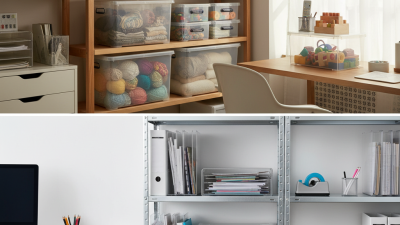
Businesses use packaging boxes to store, ship, display, and organize goods. A bakery might pack pastries in shallow boxes that keep icing clear of the lid. Online shops often add cushioning to limit movement during delivery. In a stockroom, labeled boxes make seasonal items easier to find. Packaging can support a polished customer experience, but it is not a cure-all. A box that feels sturdy on a desk may weaken if it gets wet or is stacked poorly.
Tips: Measure the product, including any padding, before choosing a box. Leave enough room for protection, but avoid excessive empty space that lets items shift. Test a sample with the actual packing method. Fit matters. It is easy to overpack, too, so check whether the box closes without pressure on the contents.
A packaging box acts as a protective layer from the warehouse shelf to the customer’s doorstep. Corrugated walls help resist compression when boxes are stacked, while internal dividers and cushioning limit movement during transit. A snug fit matters: too much empty space lets products strike the box; too little cushioning leaves fragile corners exposed. Small gaps matter. Moisture can also soften paperboard, so storage areas should stay dry and boxes should not sit directly on damp floors.
Protection depends on the product and route, not just box thickness. A heavy item needs a strong base and secure closure; glass may need separated compartments and cushioning around every side. International Safe Transit Association procedures use drop, vibration, and compression tests to help assess package performance in simulated distribution conditions. Real handling can still surprise you. Testing a packed sample on its actual route is more useful than assuming a box is “strong enough.”
The cost of poor protection can extend beyond the damaged item. NRF and Appriss Retail estimated that merchandise returns reached $743 billion in 2023, or 14.5% of annual retail sales. That figure includes returns for many reasons, not damage alone, but it shows why preventing avoidable returns deserves attention. A practical check is to inspect the box after a trial shipment: look for crushed edges, shifted contents, and loose seals. A little wear is normal; a broken corner may signal a design worth revisiting.
A packaging box is often the first physical interaction a customer has with a business. Its colors, lettering, and shape can make a product easier to recognize on a crowded shelf or doorstep. When these details stay consistent across orders, customers may begin to associate them with the business. Small details matter. A clear logo, readable product information, and a tidy label can look more dependable than a box covered in competing graphics.
Design also shapes expectations about what is inside. A sturdy box that arrives clean and closes securely suggests care, while loose inserts or crushed corners can weaken that impression. The effect is practical, too: a snug fit helps limit movement during shipping. But attractive packaging cannot repair a poor product or replace honest information. That distinction matters.
Good design should reflect the actual customer experience, not just look polished in a mock-up. A business might test a box with real products, then check whether labels remain visible and items stay in place. It is easy to overlook how tape hides a small logo, or how dark print becomes hard to read under warm lighting. There may not be one perfect design; customer feedback and damaged-shipment reports can reveal what needs changing. A simpler box may serve customers better than an elaborate one.
Packaging decisions affect more than the unit price of a box. The Council of Supply Chain Management Professionals’ 2023 State of Logistics Report estimated U.S. business logistics costs at 9.1% of GDP in 2022. A box that is too large can add avoidable dimensional shipping charges and use more void fill. A box that is too small may slow packing or leave products vulnerable to damage. Fit matters.
On a busy line, a carton that assembles quickly and stacks neatly can reduce handling time and improve pallet use. Consistent sizes also make storage easier: workers can find cartons faster, while warehouse teams can plan shelf and vehicle space more accurately.
Less excess material can mean lower purchasing, handling, and disposal demands. But “lighter” is not always better. A flimsy box may raise damage and re-shipping costs, and a theoretically efficient design can still jam a real packing station.
Test cartons with actual products, packing materials, and line speeds before changing specifications. That small trial is easy to skip. It can reveal costly problems early.
Businesses choose packaging boxes by balancing product protection, shipping costs, shelf appeal, and customer expectations. A snug fit reduces movement; a double-wall box may better protect a heavy ceramic item. But extra material can add cost and waste. Measure the product, including inserts, rather than guessing from its outer dimensions. Small details matter.
The sales channel changes the choice. E-commerce boxes need to withstand stacking, drops, and damp doorsteps. Retail boxes may need clear product information and a clean display face. McKinsey’s 2020 report, Sustainability in Packaging: Inside the Minds of US Consumers, found that 52 percent of surveyed US consumers were willing to pay more for recyclable packaging. That preference is useful, not absolute: customers may value easy opening and reliable delivery just as much.
Test boxes with real products and realistic shipping conditions. Check crushed corners, shifting contents, tape failure, and whether staff can pack orders quickly. A lighter box might lower freight costs, yet fail if it offers too little protection. Teams can also overestimate how polished packaging must look. I’ve seen simple, well-fitted cartons outperform elaborate designs in practical tests. The right choice depends on the product, market, and evidence from actual use.
| Product or Business Need | Common Box Style | Typical Material | Protection and Fit Considerations | Suitable Sales or Shipping Channel | Key Selection Check |
|---|---|---|---|---|---|
| Lightweight apparel and soft goods | Corrugated mailer or folding carton | Lightweight corrugated board or paperboard | Choose a close-fitting size to limit movement; use a paper insert or tissue where presentation matters. | Direct-to-consumer parcels, subscription shipments, and retail shelves | Balance a neat presentation with the added weight and space of the packaging. |
| Books, stationery, and flat products | Literature mailer or book wrap | Corrugated board or rigid paperboard | Use snug side panels or protective inserts to help reduce bending and corner damage. | E-commerce delivery and postal fulfillment | Measure the product at its widest points and allow room for protective material without excess void space. |
| Fragile glassware or ceramics | Double-wall corrugated shipping box with dividers | Corrugated fiberboard with molded-pulp or paperboard inserts | Separate items and cushion vulnerable edges; the outer box should leave space for cushioning while keeping contents from shifting. | Parcel shipping, wholesale distribution, and retail replenishment | Test the complete packed configuration, not just the empty box, for handling and transit conditions. |
| Small consumer goods and shelf-ready items | Folding carton | Paperboard | Provides a printable surface and structure for lightweight products; add an inner tray or wrap if the product needs extra protection. | Retail shelves, kits, and parcel orders with an outer shipping carton | Check product fit, closure strength, display requirements, and any required product information. |
| Heavy or bulky products | Regular slotted corrugated carton or custom-fit corrugated box | Corrugated fiberboard selected for product weight and distribution conditions | Use suitable board strength and secure closures; internal supports can help distribute load and limit movement. | Freight, warehouse distribution, and large-parcel delivery | Consider packed weight, stacking, palletization, and the number of handling stages. |
| Temperature-sensitive food or other perishable goods | Insulated shipper placed inside a protective outer carton | Insulating liner with corrugated outer packaging | Insulation alone does not control temperature; the pack-out may also require coolant and a validated shipping duration. | Temperature-controlled delivery and direct-to-consumer food shipments | Validate the full package against the product’s temperature requirements and expected transit conditions. |
| Fresh produce and ventilated goods | Ventilated corrugated produce box or tray | Corrugated fiberboard designed for the handling environment | Vent openings can support airflow, while box strength and stacking design help protect contents during distribution. | Farm-to-market transport, wholesale, and grocery distribution | Confirm ventilation, stacking performance, moisture exposure, and compatibility with handling equipment. |
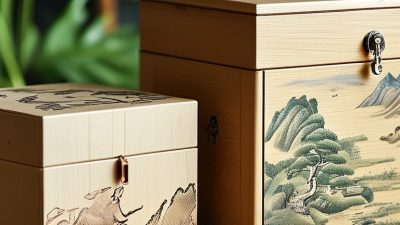
| Premium gifts and presentation-focused products | Rigid setup box or printed folding carton | Wrapped rigid board or printed paperboard | Inserts can hold products in place and create an organized unboxing experience; an outer shipper may be needed for transit protection. | Gift retail, special-edition sets, and direct-to-consumer orders | Match appearance and opening experience to the product while accounting for storage and shipping volume. |
Box performance depends on product dimensions, packed weight, distribution conditions, and the complete package design. Validate packaging with representative products and shipping tests before adopting it at scale.