Packaging Specialists
Packaging | Healthcare | Moulding

What is Welded Wire Mesh and Its Applications for Buyers?

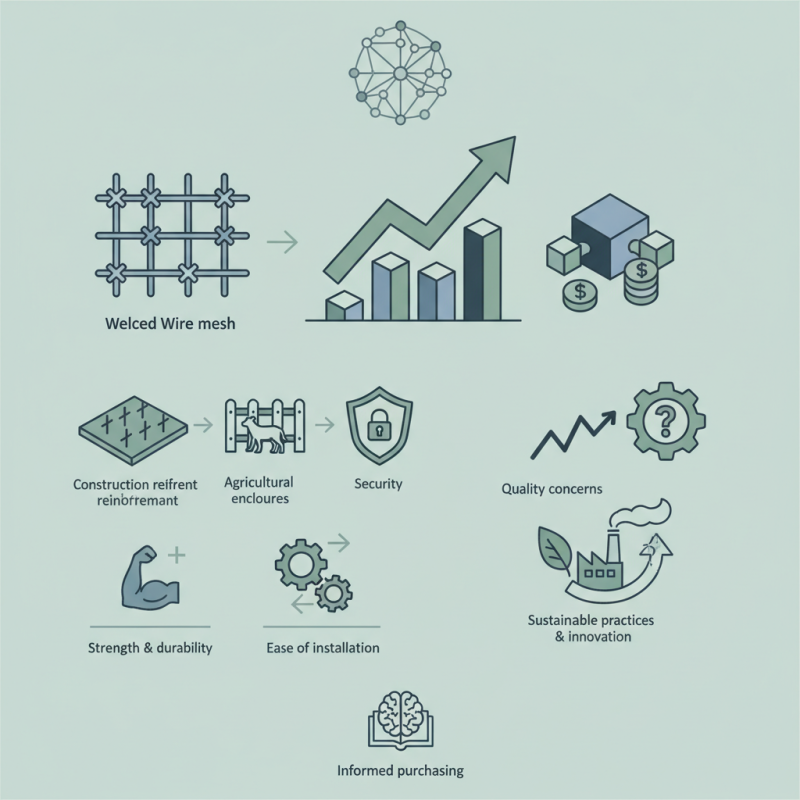
welded wire mesh is a versatile product used in various applications across several industries. According to Grand View Research, the global welded wire mesh market was valued at USD 6.12 billion in 2020 and is expected to grow significantly. This growth highlights the importance of welded wire mesh in construction, agriculture, and security sectors.

welded wire mesh consists of electrically welded metal wires, providing strength and durability. It is commonly used for reinforcing concrete, making enclosures, and even decorative applications. Its benefits include enhanced stability and ease of installation. However, the market is not without challenges. Buyers often struggle with varying quality and specifications, necessitating careful selection.

In recent years, the push for sustainable practices has influenced the welded wire mesh industry. Manufacturers are exploring eco-friendly materials and production methods. This shift presents opportunities for innovation but also raises questions about consistency and performance. Ultimately, understanding the nuances of welded wire mesh is essential for informed purchasing decisions, particularly as the market evolves.
What is Welded Wire Mesh and Its Applications for Buyers?

Definition and Composition of Welded Wire Mesh

Welded wire mesh is a versatile material commonly used in various industries. It consists of multiple wires welded together at intersections, creating a robust grid-like structure. The wires are typically made of steel, stainless steel, or galvanized steel, offering different levels of strength and durability. This composition makes it suitable for both indoor and outdoor applications, where resilience is key.

In construction, welded wire mesh is frequently used for concrete reinforcement. It enhances the structural integrity of floors, walls, and slabs. In agricultural settings, it serves as fencing for livestock or as trellises for climbing plants. The mesh's uniform openings allow for optimal air and light circulation while maintaining security. Buyers should consider the gauge and spacing of the wires to ensure it meets their specific needs.

Despite its many advantages, welded wire mesh isn’t without challenges. Improper installation can lead to structural weaknesses. Additionally, the mesh's rigidity may not always suit projects requiring flexibility. Buyers would benefit from consulting experts in the industry to better understand its applications and limitations. This knowledge helps make informed decisions and prevents costly mistakes.

Manufacturing Process of Welded Wire Mesh

Welded wire mesh is produced through a stepwise manufacturing process. First, raw steel wires are drawn to specific diameters. This process ensures consistency, which is crucial for high-quality mesh. The wires are then cut to the desired length. Precision is vital here, as any mismatch can affect the final product.

Next, the wires are arranged in grids. This setup is then subjected to an electric welding process. Each junction melts the wires together, creating a robust structure. This welding method is efficient and allows for quick mass production. Once the mesh is welded, it undergoes a cleaning procedure. This removes any residues, ensuring the product's longevity and resistance to corrosion.

After cleaning, the welded wire mesh is either galvanized or coated for added protection. This step is essential, especially for outdoor applications. Details matter in every aspect, from wire thickness to weld quality. The entire process reflects a balance between efficiency and quality. Ensuring these high standards can be challenging but is critical for reliable performance.

Common Applications in Construction and Industry

Welded wire mesh is increasingly popular in construction and industry. It consists of wires welded together to form a strong, grid-like structure. This mesh is used in various applications due to its strength and versatility.

In construction, welded wire mesh serves multiple purposes. It is often used as reinforcement in concrete slabs. This improves the tensile strength of the concrete, preventing cracks. Additionally, it is common in flooring systems, providing a stable base for heavy loads. Another application is in fencing, offering security without sacrificing visibility. It can be seen in parks and industrial sites alike.

In the industrial sector, welded wire mesh is utilized in shelving units and enclosures. It allows for airflow while keeping items secure. The mesh can also be found in livestock farming, helping to create safe surroundings for animals.

Tips: When purchasing welded wire mesh, consider wire gauge and spacing. A smaller spacing may be needed for finer applications. Ensure you choose the right mesh for your specific needs to avoid potential issues. Also, reflect on the installation process. Working with welded wire mesh requires careful handling to prevent damage. Always prioritize safety when in use.

Advantages of Using Welded Wire Mesh

Welded wire mesh is a versatile material used in various industries. Its benefits are numerous and compelling. One significant advantage is its strength. According to market reports, welded wire mesh can withstand substantial loads. This feature makes it ideal for construction and fencing applications. The precise alignment of wires ensures that force is evenly distributed.

Another advantage is its durability. Welded wire mesh resists corrosion and wear. This durability means reduced maintenance costs over time, which is crucial for commercial projects. A report from the International Wire & Mesh Association highlights that properly treated wire mesh can last over 50 years in outdoor environments. Yet, buyers must also consider installation challenges. Ensuring proper fitting and alignment can be tricky, especially in large-scale applications.

Cost-effectiveness is another notable advantage. Welded wire mesh often proves cheaper than alternatives in terms of both material costs and labor expenses. The National Association of Steel Wire Fabricators estimates that properly sourced welded mesh can reduce project costs by up to 15%. However, buyers should be cautious. Oversizing or undersizing the mesh can lead to structural issues. Each project demands careful assessment to match specifications.

Advantages of Using Welded Wire Mesh

Factors to Consider When Purchasing Welded Wire Mesh

When considering the purchase of welded wire mesh, buyers should focus on several key factors. Understanding the wire gauge is crucial. The wire gauge determines the strength and durability of the mesh. Thicker wires typically have higher tensile strength. Reports indicate that a wire diameter of 0.5 inches can support substantial loads, making it suitable for heavy-duty applications.

The mesh opening size is another important aspect to consider. Smaller openings provide better security and containment. For example, openings of 2 inches by 2 inches are often used in agricultural settings. They effectively contain livestock while allowing air circulation. On the other hand, larger openings may be better for decorative purposes or lightweight applications. Buyers should evaluate their specific needs to make an informed decision.

Material type also plays a significant role. Hot-dipped galvanized wire offers excellent corrosion resistance. According to industry data, this type of wire can last up to 20 years in outdoor environments. Conversely, PVC-coated options provide added protection and aesthetic appeal. Identifying the right material can ensure long-term satisfaction and functionality. Each of these factors can significantly impact the performance and longevity of welded wire mesh.