Plastic clamshell packaging has become a staple in various industries. This packaging format offers several benefits, including enhanced visibility and product protection. According to a study by Smithers Pira, the global demand for clam shell packaging is expected to grow by 5.1% annually through 2025. This growth highlights its increasing importance in retail and e-commerce.
Experts like Dr. Emily Carter, a leading authority in packaging innovation, note, "Plastic clamshell packaging is revolutionizing how products reach consumers." Its convenience and versatility make it a favored choice among manufacturers. The clear design allows customers to see the product clearly, enhancing their shopping experience.
However, challenges persist. Environmental concerns over plastic waste are significant. While clamshell packaging is practical, the industry must focus on sustainable materials and recycling solutions. There is an ongoing need for innovation to balance packaging effectiveness and environmental responsibility. Embracing change in this area could set new standards for the plastic clamshell packaging industry.
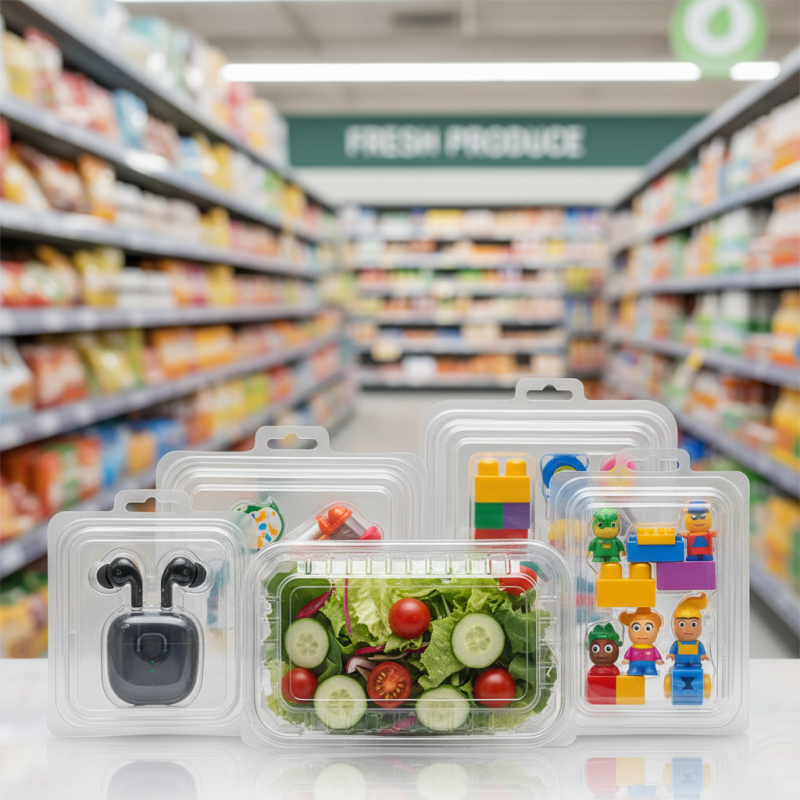
Plastic clamshell packaging offers excellent protection for various products. This type of packaging secures items inside hard plastic shells. It prevents damage during transport and storage. Products like electronics or fragile items benefit significantly. Plastic clamshells can guard against moisture, dust, and mechanical impact.
One key advantage is visibility. Consumers can see the product without opening the package. This transparency can encourage purchases. However, cognitive overload can occur if packaging appears too cluttered. Clear, simple designs usually perform better.
Tips for using plastic clamshell packaging: ensure it fits well around the product. Too tight can lead to damage; too loose can result in movement. Consider using eco-friendly materials when possible. While clamshells are protective, they can contribute to waste. Striking a balance is essential. Prioritize sustainability alongside protection to reflect growing consumer consciousness.
| Benefit | Description | Common Uses |
|---|---|---|
| Durability | Resistant to impact and harsh conditions, ensuring product safety. | Electronics, tools, and fragile items. |
| Visibility | Transparency allows consumers to see the product without opening the package. | Food items, retail products, and cosmetics. |
| Versatility | Can be customized in size and shape for diverse products. | Toys, gadgets, and collectibles. |
| Ease of Use | Simple packaging that is easy to open and reseal if needed. | Stationery, health products, and promotional items. |
| Cost-Effectiveness | Affordable production and shipping options for businesses. | Retail displays and bulk packaging. |
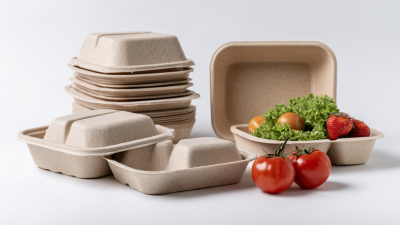
Plastic clamshell packaging has found its way into numerous industries. In food service, it offers a convenient solution for packaging salads, sandwiches, and baked goods. The clear design allows customers to see the product inside. This transparent packaging can boost sales by appealing to consumers visually. However, it can sometimes look cheap, making some products appear low-quality.
In the electronics sector, clamshells are used for small devices and accessories. Their sturdy design protects fragile items during transport. This protection is crucial to avoid damage. Yet, the environmental impact of plastic remains a concern. Consumers often question the sustainability of such materials. Some companies are exploring biodegradable options, but progress is slow.
In retail, clamshells are popular for toys and cosmetics. They provide tamper-proof security for products. Shoppers appreciate the safety, but they also dislike the waste associated with plastic. Balancing convenience and environmental responsibility is a challenge. As awareness grows, industries may face increased scrutiny over their packaging choices. The future may push for more eco-friendly designs while maintaining functionality.
Plastic clamshell packaging is often praised for its practicality. However, environmental concerns regarding its recyclability cannot be overlooked. Many clamshells are made from materials that are not accepted in curbside recycling programs. This creates challenges in proper disposal. Some consumers may not know where to take these items once used.
Recycling clamshell packaging often depends on local facilities. Not all recycling centers are equipped to handle them. This can lead to more plastic waste in landfills. The convenience of clamshells comes with a price. When not disposed of correctly, they contribute to environmental issues.
On the sustainability front, the production process for plastic clamshells also raises questions. Although they can be lightweight, the raw materials consume valuable resources. Additionally, the energy used in manufacturing adds to their carbon footprint. There are options being explored, like bio-based plastics. However, these alternatives need further development. Addressing these concerns is crucial for a more sustainable future.
This bar chart illustrates the various benefits associated with plastic clamshell packaging, highlighting aspects such as recyclability, durability, cost-effectiveness, food safety, and consumer appeal, each rated on a scale of 1 to 10. Understanding these factors is crucial for assessing the sustainability of clamshell packaging.
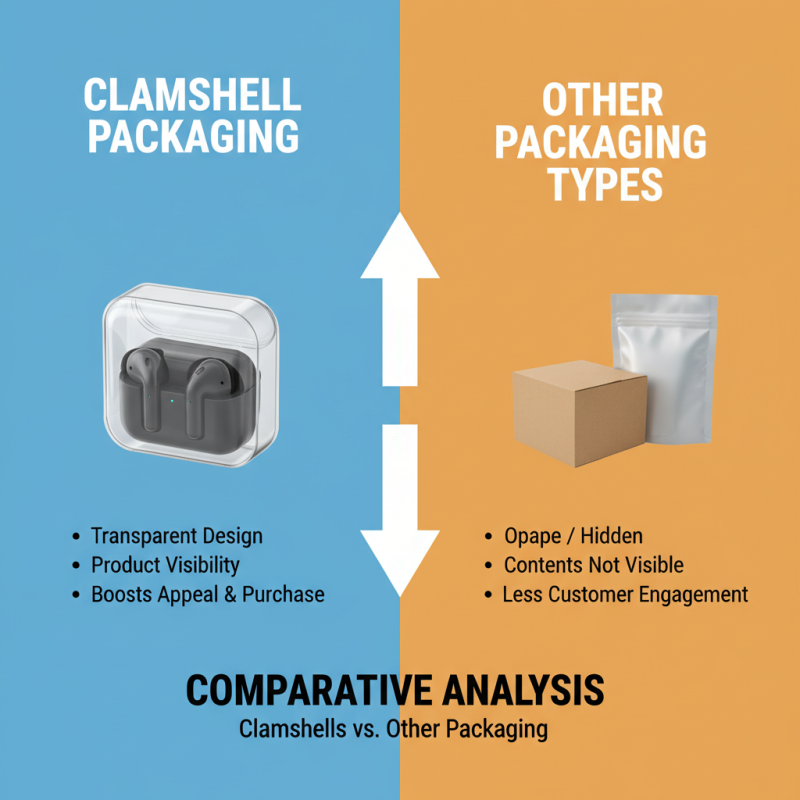
Clamshell packaging offers unique advantages compared to traditional packaging methods. Its transparent design allows consumers to see the product clearly. This visibility can enhance product appeal and influence purchasing decisions. In contrast, boxes and bags often hide contents, making it harder for customers to engage with products.
Tips: When selecting clamshell packaging, consider the product's dimensions carefully. A snug fit can prevent movement and damage. Additionally, ensure the material is suitable for your product’s weight and fragility.
Clamshells are often more durable than paper or cardboard options. They provide excellent protection against external elements. However, they can contribute to waste issues. Unlike some recyclable materials, not all clamshells are easy to recycle. This poses a challenge for eco-conscious consumers and brands.
Tips: Explore eco-friendly options when possible. Sustainable materials can appeal to a wider audience. They also show a commitment to the environment. Always communicate recycling information clearly on your packaging.
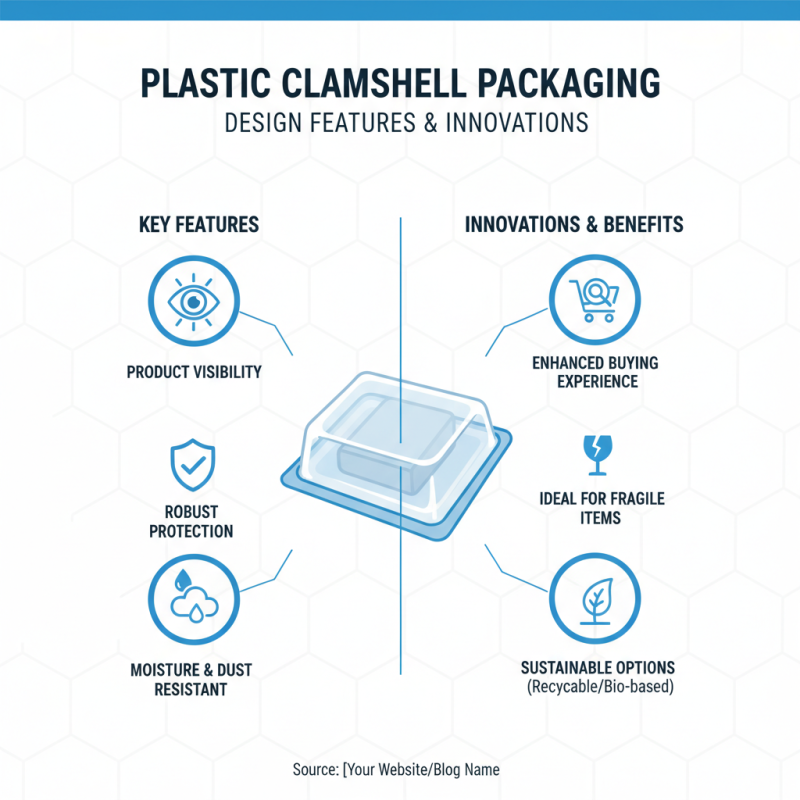
Plastic clamshell packaging has revolutionized the way products are displayed and protected. Its design features emphasize both visibility and security. The clear plastic material allows consumers to see the product inside. This transparency enhances the buying experience. The packaging also offers a sturdy barrier against physical damage, moisture, and dust. Many consumers appreciate this level of protection, particularly for fragile items.
Innovations in design continue to emerge. Many clamshells now include features like easy-open tabs or snap-lock closures. These enhancements improve usability, making it easier for customers to access the product. However, there are imperfections in this packaging type. Some designs might break easily, leading to frustration during opening. Additionally, environmental concerns arise with plastic usage. Not all clamshells are recyclable, which poses challenges for sustainability efforts. It’s essential for manufacturers to consider these issues while striving for improved designs.