Packaging Specialists
Packaging | Healthcare | Moulding

Top 10 Types of Weatherproof Tape for Global Buyers

Weatherproof Tape plays a quiet but essential role in construction, packaging, automotive repair, marine work, and outdoor maintenance. A reliable roll may seal a roof flashing during heavy rain, protect an exposed cable joint, or keep moisture away from a shipping carton. Yet performance changes with sunlight, temperature, surface texture, and application pressure. One product cannot solve every problem.

This guide examines the top 10 types of Weatherproof Tape for global buyers. It compares acrylic, butyl, rubber, silicone, foil, PVC, polyethylene, and specialized repair tapes. Each type has different strengths, limitations, and recommended uses. Acrylic tape may resist ultraviolet exposure well, while butyl tape often delivers strong moisture sealing on roofs and metal panels. Silicone options can remain flexible in demanding temperature ranges. The details matter.

Testing experience shows that product labels are only a starting point. A tape that holds firmly on clean aluminum may fail on dusty concrete. A seal that survives a warehouse test may weaken after months of tropical sunlight. That distinction matters. Buyers should review adhesion data, backing material, temperature limits, aging results, roll dimensions, and supplier quality records. They should also request samples before placing large orders.

Small trials reveal expensive mistakes.

This overview follows practical selection logic rather than marketing claims. It considers climate, substrate, installation conditions, storage, transport, and expected service life. Some recommendations may need adjustment after site testing. That is not a weakness; it reflects real-world purchasing. By comparing evidence carefully, buyers can choose Weatherproof Tape with greater confidence, fewer returns, and more dependable long-term sealing performance.
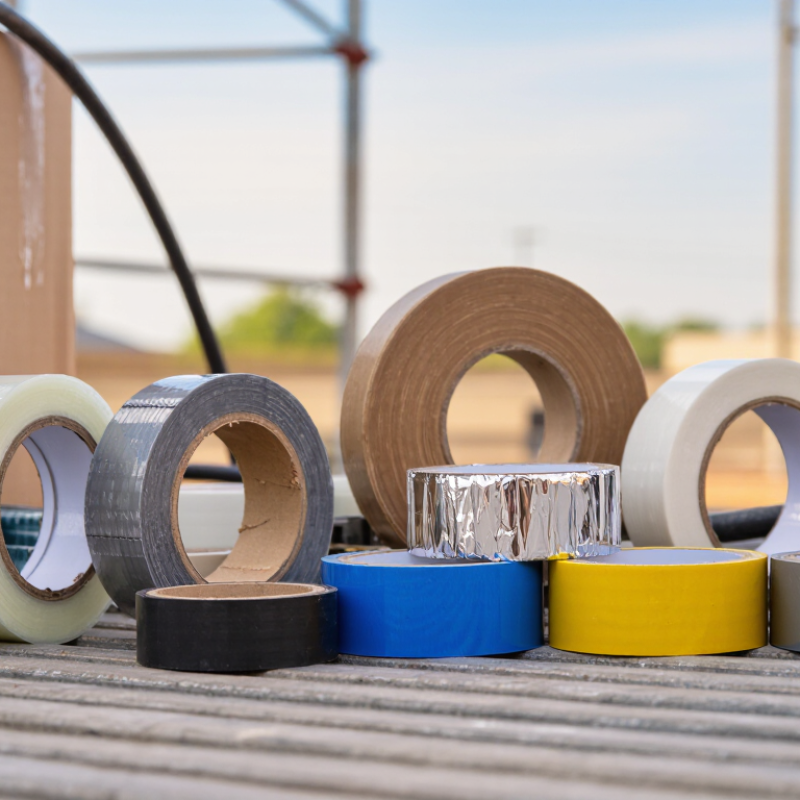
Top 10 Types of Weatherproof Tape for Global Buyers

What Weatherproof Tape Is and How It Protects Against the Elements

Weatherproof Tape: What It Is and How It Protects Against the Elements

Weatherproof tape is an adhesive barrier designed for outdoor exposure. It helps seal joints, cover small cracks, and protect surfaces from rain, wind, dust, and sunlight.

Common types include butyl, acrylic, rubber, foil, cloth, and rubberized asphalt tape. Each material behaves differently. Butyl tape stays flexible around seams, while foil tape reflects heat and resists moisture. Acrylic adhesives often perform better under strong ultraviolet light.

Protection depends on more than the tape itself. A clean, dry surface is essential. Dirt, oil, and frost can create hidden gaps. During field repairs, installers often press the tape firmly with a roller, especially over rough edges.

A properly sealed overlap can stop water from reaching insulation, wiring, timber, or metal. However, no tape lasts forever. Extreme heat, standing water, movement, and poor surface preparation can shorten its service life. I have seen durable tape fail because the surface was simply too dusty.

Tips: Choose tape for the actual exposure. Check temperature ratings, backing material, and expected movement. Apply it in moderate conditions when possible. Keep the roll sealed before use. Leave enough overlap at corners and joints. Test a small area first. That step may feel unnecessary, but it can reveal weak adhesion before a storm does.

Butyl Rubber Tape for Watertight Sealing and Long-Term Outdoor Use

For global buyers, butyl rubber tape offers watertight sealing for demanding outdoor applications. It uses a flexible, pressure-sensitive adhesive that bonds to many clean surfaces. Unlike hard-setting sealants, it remains pliable during temperature changes and small movements. It stays flexible. That detail matters.

In practical outdoor repairs, installers use it around roof joints, window frames, pipe penetrations, gutters, and caravan panels. Its moisture-resistant compound can close narrow gaps and irregular edges. Apply steady pressure with a roller for stronger contact. On clean metal, glass, plastic, and coated surfaces, adhesion is usually reliable. Damp dust causes trouble. I have seen failures begin at one unclean corner. The water path was tiny, but persistent.

Surface preparation deserves more attention than many product descriptions suggest. Remove oil, loose coating, and sharp debris before application. A primer may help on porous or difficult surfaces. Yet buyers should check compatibility first. Not every butyl tape suits painted materials, asphalt membranes, or flexible plastics. Choose a tape with suitable thickness, backing, and temperature range. For exposed roofs, a foil or polymer facing can improve resistance to sunlight and weather. The tape itself should not be treated as magic. Long-term outdoor performance depends on drainage, compression, and correct overlap. Leave extra material around corners, but avoid stretching the tape during installation. In cold conditions, warm the surface carefully and press firmly. One limitation deserves honesty: prolonged exposure can age some unprotected formulations. Product data and a small site test remain necessary. Not every job behaves as expected.

Silicone Tape for Flexible, Heat-Resistant, and Emergency Repairs

Silicone tape is a practical choice for weatherproof repairs when flexibility matters. It stretches around uneven surfaces and bonds to itself without leaving adhesive residue. This makes it useful for sealing outdoor cables, hose connections, tool handles, and temporary pipe repairs. In wet conditions, the wrapped layers can form a tight barrier against rain and splashes.

Heat resistance is another major advantage. Quality silicone tape often tolerates temperatures far above ordinary plastic tape, but the exact limit depends on its construction. Always check the technical data before using it near engines, heaters, or electrical equipment. I have found that clean, dry surfaces produce the most reliable seal. Dust and oil can create weak points.

Use enough tension to activate the self-fusing layer, then overlap each turn by half its width. Press the final layer firmly. Keep it tight.

For emergency repairs, silicone tape can stop a leak long enough to reach a workshop or replace a damaged part. It may also protect a cracked wire jacket from moisture. However, it cannot correct a failed connection or safely replace professional electrical work. That distinction is easy to overlook during a storm. Cutting the tape too short is another common mistake. A longer wrap usually gives better coverage, especially around bends and vibrating joints. Storage also matters; heat and sunlight can reduce its performance before use.

Outdoor Duct and Gaffer Tapes for Durable General-Purpose Applications

Outdoor duct tape remains a practical choice for temporary repairs, bundling, sealing, and surface protection. Its layered construction usually combines a waterproof backing, reinforced scrim, and pressure-sensitive adhesive. For outdoor purchasing, check UV resistance, temperature range, tensile strength, and residue behavior. A roll that performs well indoors may crack after weeks of sunlight and rain.

Gaffer tape offers a different balance. Its matte surface reduces glare, while its hand-tear design supports quick cable management, equipment marking, and event setup. Professional users often prefer clean removal from painted surfaces, but no adhesive behaves perfectly everywhere. Dust, moisture, rough concrete, and aged paint can reduce grip. Test a small area first. It takes minutes.

Other weatherproof options include polyethylene tape, vinyl tape, foil tape, butyl sealing tape, rubberized repair tape, transparent outdoor tape, and double-sided mounting tape. Each suits a narrower task. Foil tape handles reflective insulation work, while butyl tape supports flexible sealing around joints. Transparent tape preserves appearance but may show dirt quickly. During product evaluation, buyers should request adhesion data, aging results, roll dimensions, and storage guidance. I have seen attractive specifications fail when cartons were stored in hot warehouses. A sample trial under real sun, dust, and repeated handling reveals more than a catalog claim.

How Global Buyers Can Compare Weatherproof Tape Types and Specifications

Global buyers comparing the top ten weatherproof tape types should start with the exposure, not the product name. Butyl tape suits damp joints and roof details because it remains flexible. Acrylic adhesive usually performs better under sunlight and temperature cycling. Silicone tape handles difficult surfaces, although its higher cost can disrupt budgets. Foil tape helps reflect heat, while reinforced flashing tape offers stronger tear resistance.

MarketsandMarkets’ 2024 pressure-sensitive adhesives report estimates the market will grow from about USD 12.9 billion in 2023 to USD 17.4 billion by 2028. This growth reflects wider demand for durable bonding in construction, transport, and insulation. Still, market growth does not prove field performance. Buyers should compare adhesion, thickness, tensile strength, elongation, temperature range, UV resistance, and water absorption. ASTM D3330 supports peel-adhesion testing, while ASTM G154 helps evaluate accelerated UV exposure. Test results are not identical to years outdoors.

Tips: Request samples with technical data sheets and batch details. Test them on the actual substrate, including dusty concrete, painted metal, or damp wood. Check whether the backing tears during installation. A thicker tape may feel safer, but it can create poor edge contact. I have seen specifications look impressive while the adhesive failed after condensation. That possibility deserves attention. Also compare application temperature, liner removal, storage life, and clean-removal behavior. A tape designed for roofing may not suit electrical insulation or moving joints. Procurement teams should record test conditions, because “waterproof” can mean different things across suppliers and regions.

Top 10 Types of Weatherproof Tape for Global Buyers

Typical outdoor service-life ranges help buyers compare weatherproof tape categories before reviewing substrate, climate, installation, and certification requirements.

The figures show indicative service-life ranges commonly associated with each tape category under suitable outdoor conditions. Actual performance varies with UV exposure, moisture, temperature cycling, surface preparation, load, and product construction.