Packaging Specialists
Packaging | Healthcare | Moulding

What Are the Top Types of Plastic Vacuum Bottles?

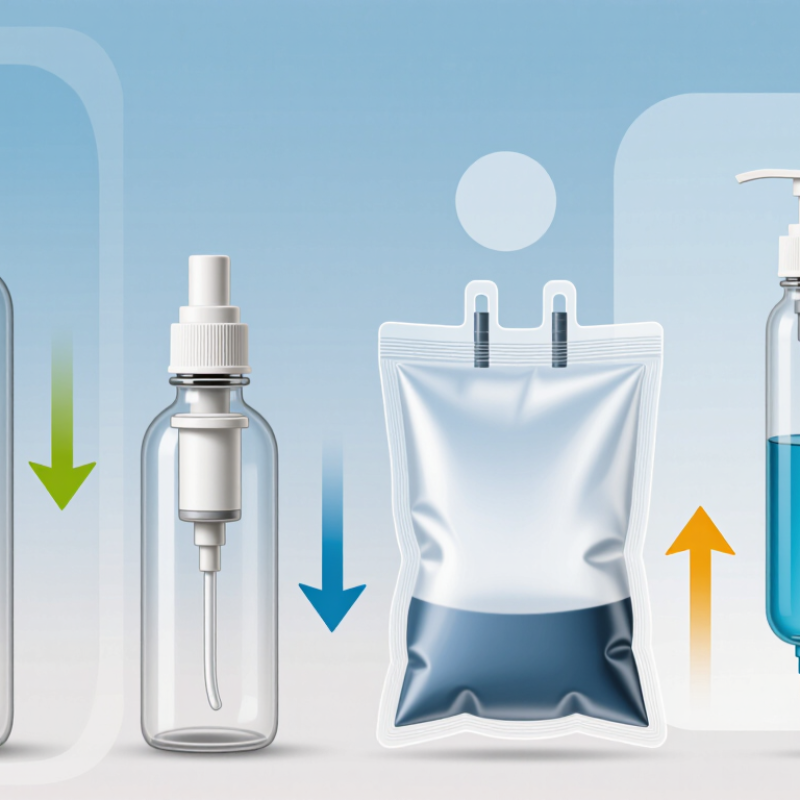
A Plastic Vacuum Bottle is designed to dispense products while limiting their exposure to outside air. In personal-care packaging, that often means a pump that moves an inner piston upward as the contents are used. The result can be cleaner dispensing and less residue clinging to the bottle walls. But no package protects every formula equally.

The market context is substantial. Grand View Research’s Cosmetic Packaging Market report estimated the global market at USD 34.8 billion in 2023 and forecast a 5.5% compound annual growth rate from 2024 to 2030. That figure covers cosmetic packaging broadly, not vacuum bottles alone. Still, it shows why brands continue exploring functional packaging formats. Design details matter.

This guide compares common options, including airless pump bottles, piston-style bottles, bag-in-bottle systems, and dual-chamber designs. Each handles dispensing, product separation, and remaining contents differently. A pump that works smoothly with a light lotion may struggle with a thicker cream. Small details count: the actuator feel, the bottle’s shoulder shape, and whether the final dose comes out cleanly. The “best” type depends on the formula, user, and filling process—not just a polished product photo. That distinction is easy to overlook.
What Are the Top Types of Plastic Vacuum Bottles?

Plastic Vacuum Bottles by Insulation Structure

Plastic vacuum bottles are best understood by looking at the layers that slow heat transfer. In a true vacuum-insulated design, two walls enclose a sealed space with most air removed. Because flexible plastic walls can deform under pressure, many bottles marketed as plastic vacuum bottles use a plastic outer shell around a rigid inner vessel. The vacuum sits between the inner vessel and another wall. Check the product construction, not just its label.

The details matter. A thin plastic shell may feel light and comfortable, while the inner vessel provides the structure needed to maintain the vacuum. Some bottles use foam between their walls instead. Foam insulation is not vacuum insulation, but it can reduce heat transfer and avoid the sealing demands of a vacuum cavity. Others have two plastic walls with an ordinary air gap. That gap offers limited insulation, and warm drinks may cool sooner. You can often spot foam or a hollow gap by checking a cutaway diagram or the maker’s specifications. A small caveat: published temperature tests may use different starting temperatures and room conditions, so comparisons are not always direct. The structure tells you more than appearance alone.

What Are the Top Types of Plastic Vacuum Bottles? — Plastic Vacuum Bottles by Insulation Structure
Type Typical Wall Structure How Insulation Works Key Advantages Considerations Typical Uses
Plastic-Shelled, Stainless-Steel Vacuum Bottle A stainless-steel inner vessel is separated from a stainless-steel outer vacuum wall. A molded plastic shell or housing surrounds the vacuum assembly. Air is removed from the sealed space between the steel walls, reducing heat transfer by conduction and convection. The plastic exterior is primarily a protective and design layer. Combines a familiar plastic exterior with a durable vacuum-insulated core. The steel vessel is well suited to maintaining a sealed vacuum. The vacuum chamber—not the plastic shell—provides the main insulation. A vacuum-insulated design does not necessarily keep every cap or lid cool. Reusable drink bottles, travel bottles, and products where a plastic outer surface is preferred.
Plastic-Jacketed Glass Vacuum Flask A double-wall glass flask has an evacuated space between its walls and is fitted with a plastic outer jacket, base, or protective casing. The evacuated gap reduces heat transfer through the flask walls. The glass inner surface also provides a non-metallic contact surface for beverages. Offers a glass beverage-contact surface and a plastic exterior for added handling protection. Glass can break if dropped or struck. The plastic jacket may reduce, but does not eliminate, the risk of damage. Home and tabletop flasks, especially where a glass-lined interior is desired.
Vacuum Bottle with a Reflective Radiation Shield A vacuum-insulated double-wall vessel includes a low-emissivity or reflective surface on one or more walls; the outer body may have a plastic shell. The vacuum limits conduction and convection, while the reflective surface can reduce heat transfer by thermal radiation. Adds a radiation-control feature to the vacuum structure without relying on a thick layer of conventional foam. This is a design feature rather than a separate bottle material category. Its benefit depends on the surface finish, wall design, and manufacturing quality. Specialized vacuum bottles designed to reduce radiative heat transfer.
Double-Wall Plastic Bottle with an Air Gap (Non-Vacuum) Two plastic walls enclose an ordinary air space; the space is not evacuated. The air gap can slow heat transfer to some extent, but air remains in the space and can transfer heat by conduction and convection. Can be lightweight and less complex than a sealed vacuum assembly. This is not a true vacuum bottle and generally does not provide the same insulation mechanism as an evacuated double-wall vessel. Basic reusable bottles where modest insulation is sufficient.
Note: “Plastic vacuum bottle” commonly describes a bottle with a plastic exterior or housing around a vacuum-insulated glass or metal vessel. A regular air gap between plastic walls is not a vacuum. Actual heat-retention performance varies with construction, lid design, fill volume, and use conditions.

Plastic Vacuum Bottles by Lid and Drinking Style

Plastic vacuum bottles are easier to compare by lid and drinking style than by shape alone. Many have a plastic outer shell around a vacuum-insulated liner, so check the product’s stated materials. A screw cap seals simply and suits bags or slow sipping, but it may need two hands to open. A flip-top spout allows quick drinks between tasks. It is convenient, though its hinge and seal need regular cleaning. A built-in straw supports small, frequent sips without tipping the bottle. Small detail. Big difference.

Lid choice also affects carrying and care. A straw lid can be awkward to wash thoroughly; a wide-mouth screw cap is usually easier to rinse and add ice to. Look for a removable gasket, a secure closure, and clear care instructions. Grand View Research estimated the global reusable water bottle market at USD 9.67 billion in 2023, with projected annual growth of 4.4% from 2024 to 2030. That report covers the wider bottle market, not lid preferences, so it cannot say which style users prefer. And market growth does not guarantee a lid will suit your routine. Check whether the bottle fits your cup holder, whether the lid opens comfortably, and whether its parts can be cleaned without a brush you will never use.

Sports and Outdoor Plastic Vacuum Bottles

Sports and outdoor plastic vacuum bottles suit hikes, cycling routes, and sideline training. Their appeal is practical: a textured plastic grip feels steady with damp hands, while a leak-resistant lid can ride inside a packed day bag. Many models use plastic for the shell, cap, or handle and a separate insulated liner. Check the product details carefully. Double-wall plastic alone does not prove the space between walls is vacuum-insulated.

Outdoor participation helps explain the category’s appeal. The Outdoor Industry Association’s 2024 Outdoor Participation Trends Report counted 175.8 million U.S. participants aged six and older in outdoor recreation during 2023, or 57.3 percent of that population. That figure measures participation, not bottle sales. Still, it points to a large audience needing portable drinkware. On a hot trail, a wide opening can make refilling easier, while a carry loop helps when both hands are occupied. Small details matter.

Weight and cleaning deserve equal attention. A bulky bottle can feel tiring after several miles, and narrow lids may trap residue around seals. Look for replaceable gaskets, clear care instructions, and a capacity that fits your route. One flaw remains: insulation can keep drinks cold, but it cannot replace regular water breaks. Check the seal before heading out.

Travel and Everyday Plastic Vacuum Bottles

Travel and everyday plastic vacuum bottles suit different routines. A lightweight body is easier to carry than a heavy metal bottle, while a narrow shape slides into many backpack pockets. For commuting, a 500–750 ml capacity usually fits a desk or cup holder. On longer trips, a secure lid matters more than extra capacity. Test it over a sink. Small leaks are annoying.

Grand View Research estimated the global reusable water bottle market at about USD 8.2 billion in 2023, with projected annual growth of 4.4% through 2030 (Reusable Water Bottle Market Size, Share & Trends Analysis Report, 2024). This broad market figure includes multiple bottle materials, not just vacuum-insulated plastic designs. When shopping, check whether the bottle has a plastic outer shell and a separate insulated inner wall; “plastic vacuum bottle” can describe different constructions. Look for a wide mouth if you add ice, and removable seals for easier cleaning. For daily use, a loop handle and one-handed opening help on crowded trains. A cupholder-friendly base helps too. One caveat: plastic exteriors can scratch, and lids often collect residue. I still forget to clean mine sometimes. Choose a bottle whose parts you can inspect and wash without special tools.

What Are the Top Types of Plastic Vacuum Bottles? — Travel and Everyday Plastic Vacuum Bottles

Capacity ranges vary by product, but compact travel bottles and children’s bottles are generally smaller, while everyday and large-capacity travel bottles hold more. These ranges are typical examples, not formal standards.

Children’s Plastic Vacuum Bottles

Children’s plastic vacuum bottles are designed for small hands, school bags, and everyday sips. Many use a plastic outer shell with an insulated inner structure, but materials and construction vary. Check the product details for food-contact suitability and clear cleaning instructions. A wide mouth makes ice and washing easier; a soft, shaped grip can help a child hold the bottle without squeezing it hard. Small details matter.

Choose a lid that closes securely and is simple enough for the child to operate. Test it with water before packing it beside books or clothes. If the bottle has a straw or removable valve, take those parts apart regularly; damp corners can hold residue. Follow the stated temperature limits, and do not assume every plastic bottle is suitable for hot drinks or a dishwasher. A vacuum bottle may keep contents cool or warm, but performance depends on its design and how often the lid is opened. Bright colors can make a bottle easier to spot, though they do not make it safer. I would also check whether the bottle feels too heavy when filled. Children grow, and what works at home may feel awkward on a crowded school day.