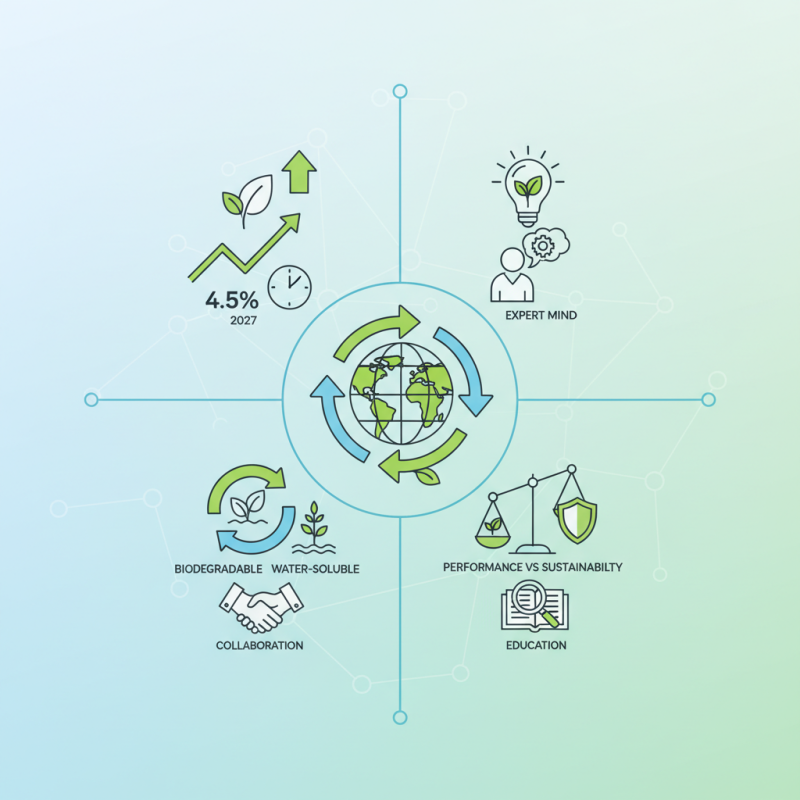
The global market for New Label Materials is evolving rapidly, driven by sustainability and innovation. According to the Smithers Pira report, the demand for eco-friendly label solutions is expected to grow by 4.5% annually through 2027. Industry experts emphasize that adapting to these trends is crucial for success. Dr. Emily Chen, a leading specialist in label technology, states, "Sustainable materials are not just a trend; they are essential for modern branding."
As businesses seek to enhance their environmental credentials, the shift towards biodegradable and recyclable materials is becoming evident. Innovations like plant-based adhesives and water-soluble films present unique opportunities for brands. However, challenges remain in balancing performance and sustainability. Many companies struggle to find the right materials that meet both functional and ecological standards.
The complexity of New Label Materials requires a collaborative approach. Brands need to engage with suppliers to navigate these challenges effectively. There is a pressing need for ongoing education in this field. As competitors embrace these new technologies, companies must reflect on their strategies and commitments to remain relevant and accountable in the marketplace.
In the evolving landscape of label production, sustainability has emerged as a focal point. Many companies are now exploring biodegradable materials for labels. These materials break down naturally, reducing waste. Recycled paper is a popular choice, as it minimizes the need for raw resources. Some manufacturers are incorporating plant-based inks, enhancing the eco-friendliness of their products. However, the challenge lies in balancing durability with environmental responsibility.
Neutral alternatives like sugarcane-based labels are also gaining traction. These offer excellent performance while being carbon-negative. Despite their benefits, sourcing can be inconsistent. This inconsistency raises questions about reliability in supply chains. Another area of exploration involves compostable films. These are designed to decompose in industrial composting facilities. However, their effectiveness largely depends on user compliance with disposal methods.
Attention to detail in sustainable practices is crucial. Consumer expectations are rising rapidly. Disconnects between eco-friendly claims and actual product performance can damage trust. Brands need to commit to transparency. The path to sustainability is not linear; it requires continuous improvement and adaptation. Stakeholders must remain vigilant. Only through collaboration can we push the boundaries of what’s possible in sustainable label materials.
This chart displays the emerging sustainable materials in label production. The data indicates the growing popularity of various materials among global buyers over the past year.
Digital printing technologies are transforming the label industry. Companies are adopting these advancements to enhance product visibility and customization. With digital printing, businesses can create short runs with unique designs. This flexibility allows brands to respond rapidly to market trends and consumer demands.
Using digital processes reduces waste significantly. Traditional printing often leads to surplus stock and material waste. Digital methods enable precise quantity adjustments for each production run. Brands can experiment with different designs without incurring high costs. This is crucial in a world where personalization is increasingly important.
Tips: Focus on high-quality digital printers that support various materials. Ensure your designs are optimized for digital workflow. Test different inks to find the best match for your label material. Embrace small batch production to benefit from personalized marketing strategies. Remember, experimenting can lead to unexpected outcomes but also valuable insights for future projects.
Smart labels have transformed the packaging landscape by integrating NFC and QR code technology. These innovations enable brands to provide real-time information to consumers. With just a tap or a scan, users access product details, promotional offers, and even usage instructions. This immediacy enhances the shopping experience and fosters deeper engagement.
However, the implementation of smart labels is not without challenges. Many consumers may be unaware of these technologies or how to use them effectively. Education is critical. Brands must ensure that their audience understands how to interact with these labels. Otherwise, the potential benefits may go untapped.
Moreover, security concerns linger around NFC and QR codes. Malicious actors can exploit these technologies for phishing attacks. Brands need to prioritize user safety by incorporating secure links and encryption methods. This attention to security can build trust and enhance the overall effectiveness of smart labels.
The demand for recyclable and biodegradable label solutions is rising. A recent report indicated that nearly 70% of consumers prefer sustainable packaging. Brands feel pressure to adapt to these preferences. Many are exploring new label materials made from plant-based sources.
Innovative options include labels made from cornstarch or sugarcane. These materials can decompose within months in the right conditions. However, challenges remain. The performance of these labels in terms of adhesion and durability can vary. Some manufacturers report higher costs, which can hinder adoption.
Recyclable labels are also gaining traction. Studies show that labels using water-based adhesives can enhance recyclability. Yet, many recyclers still face issues with contaminants. The journey towards wide-scale adoption is complex and far from perfect. Industry experts suggest continual research and development is crucial. The shift towards sustainability requires collaboration across the supply chain.
| Material Type | Recyclable | Biodegradable | Market Trends | Applicability |
|---|---|---|---|---|
| Paper Labels | Yes | Yes | Increasing demand for sustainable packaging | Food and Beverage, Retail |
| PLA (Polylactic Acid) Labels | Yes | Yes | Growing preference for renewable materials | Cosmetics, Personal Care |
| PET (Recycled Polyethylene Terephthalate) Labels | Yes | No | Increase in circular economy initiatives | Beverage, Household Products |
| Bio-based Adhesive Labels | Yes | Yes | Shift towards sustainable supply chains | Pharmaceuticals, Agriculture |
| Natural Fiber Labels | Yes | Yes | Increasing focus on eco-friendly materials | Textiles, Apparel |
Global compliance standards are reshaping the way label materials are chosen by businesses worldwide. Companies must navigate a complex web of regulations, including environmental and safety standards. These requirements often dictate the use of sustainable, recyclable, or biodegradable materials. As a result, many firms are reevaluating their supply chains and material sources.
The demand for eco-friendly options is evident. Labels made from recycled content are gaining traction. Brands must ensure their materials meet stringent compliance guidelines. This not only demonstrates responsibility but also attracts eco-conscious consumers. Compliance impacts choices significantly, prompting businesses to invest in innovative solutions that align with these standards.
However, the journey is not without challenges. Many companies struggle to find suitable materials that also offer durability and performance. Some may compromise on quality to meet compliance. This balance between adherence to regulations and maintaining product integrity is a critical area that requires ongoing reflection and adjustment. The conversation around compliance continues to evolve, highlighting the need for constant innovation in label materials.