The rise of environmental consciousness has sparked significant changes in packaging materials. Brands are now prioritizing sustainability to meet consumer demands. In fact, a recent report from Smithers Pira indicates that the global sustainable packaging market has reached a value of $415 billion in 2021 and is expected to grow steadily.
Traditional packaging materials contribute heavily to waste. More than 300 million tons of plastic are produced each year, a staggering number that underscores the need for alternatives. Biodegradable and recycled materials are becoming essential in product design. These alternatives not only protect products but also lessen environmental impact.
When selecting packaging materials, brands must reflect on their choices. Are they truly sustainable? Are they effective in protecting the product? Balancing sustainability with functionality remains a challenge. The future of packaging depends on ongoing innovation and consumer awareness. Embracing new solutions will create a positive change in the industry.

Sustainable packaging is becoming a critical focus for businesses. Materials like biodegradable plastics and recycled paper are gaining traction. The demand for eco-friendly packaging solutions has increased by 70% in recent years. Consumers are actively seeking products that demonstrate environmental responsibility.
Biodegradable plastic offers a promising alternative. It can break down in natural conditions, reducing landfill waste. However, it often requires special disposal conditions. Recycled paper is another popular choice. It uses less energy and water in production compared to virgin paper. Yet, the recycling process can impact its strength and durability.
The shift towards sustainable materials reflects changing consumer preferences. According to a recent report, about 45% of consumers consider packaging when making purchase decisions. Awareness of environmental issues is higher than ever. Companies must not only innovate but also ensure they use materials that align with customer values. Balancing functionality and sustainability remains a challenge.

When evaluating the sustainability of packaging materials, several criteria come into play. The source of the material is crucial. Materials derived from renewable resources often offer more sustainable options. Look for products made from recycled content as well. However, not all recycled materials are equal. Some require more energy to process.
Another important factor is the lifecycle impact. Consider how the material will perform over time. Will it break down safely? Biodegradable options can be effective, but they may not always decompose as expected. Their actual performance often depends on specific environmental conditions.
Lastly, functionality cannot be ignored. A sustainable material must still protect the product effectively. It’s a balance. Sometimes, what seems eco-friendly may not hold up to rigorous use. It’s essential to assess durability alongside sustainability. The perfect material might not exist. Each choice comes with trade-offs.
| Material Type | Renewability | Recyclability | Carbon Footprint | Biodegradability |
|---|---|---|---|---|
| Bioplastics | High | Moderate | Low | Yes |
| Recycled Paper | High | High | Low | Yes |
| Glass | Moderate | High | Low | Yes |
| Aluminum | Moderate | High | Moderate | Yes |
| Cardboard | High | High | Low | Yes |
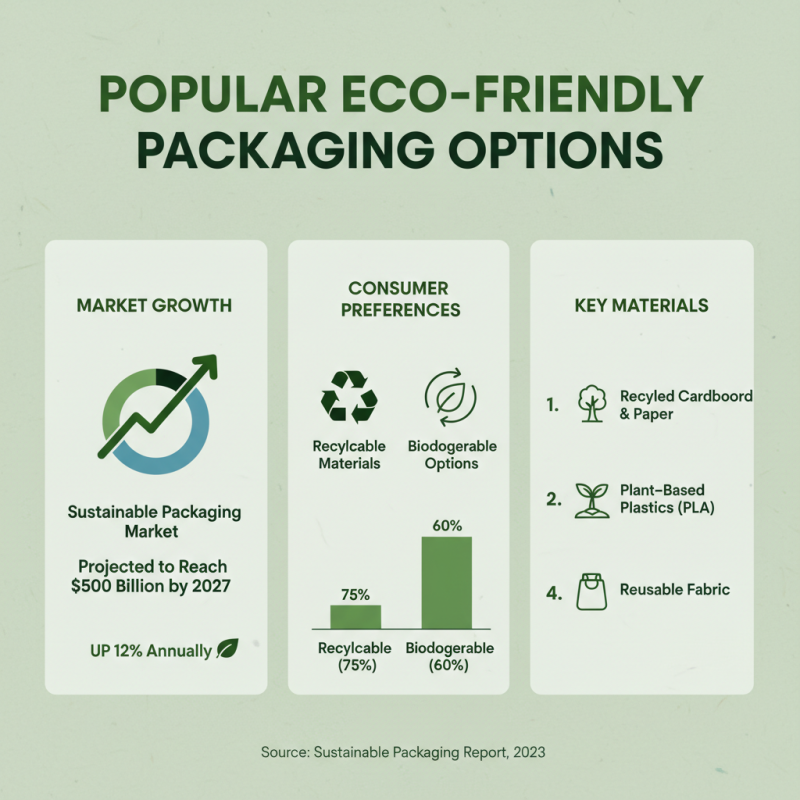
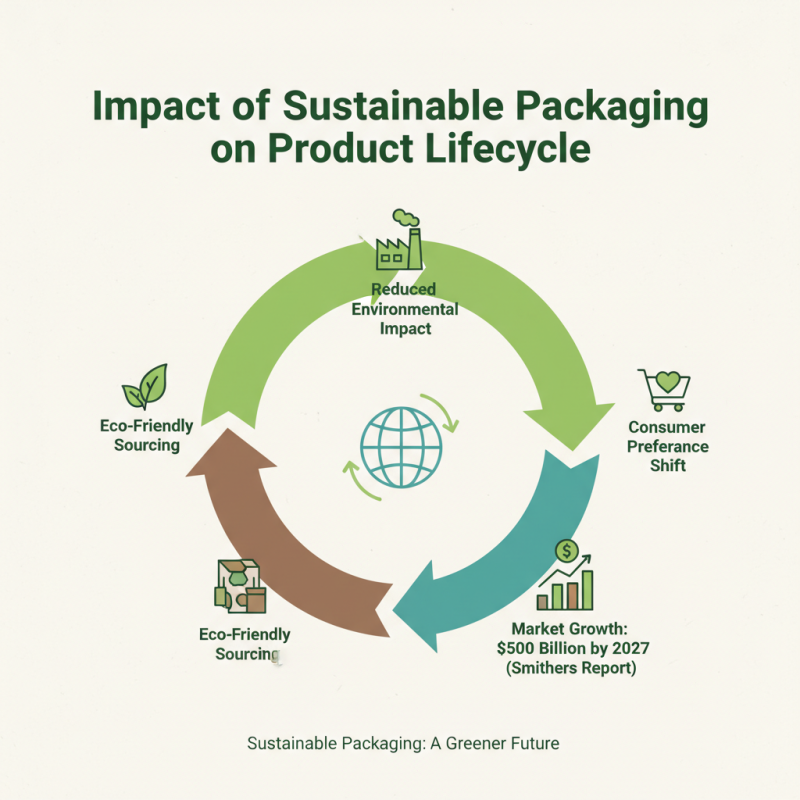
The demand for eco-friendly packaging continues to grow. A recent report showed that the sustainable packaging market is projected to reach $500 billion by 2027. Consumers are paying attention to the materials used in packaging. Most prefer recyclable or biodegradable options.
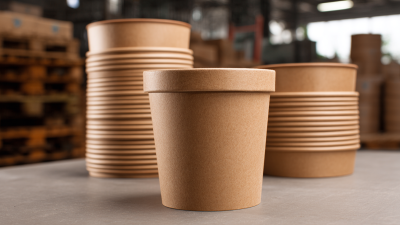
Kraft paper is one of the popular choices. It is made from recycled materials and is fully biodegradable. Many businesses find it suitable for shipping products safely. However, its strength can vary, leading to potential product damage. Another option is bioplastics. They are derived from renewable sources and can reduce fossil fuel consumption. Yet, not all bioplastics break down easily in the environment, which raises concerns.
Additionally, reusable packaging is gaining traction. Companies encourage customers to return packaging for reuse. This method can cut waste significantly. Still, the logistics can be complex. Efficient systems are needed to track and manage returns properly. Overall, the pursuit of sustainable packaging presents challenges and opportunities for improvement.
In recent years, sustainable packaging has gained immense importance. Innovative technologies are shaping this trend. For instance, materials like bio-based plastics and compostable films are now more common. According to a report by the Sustainable Packaging Coalition, the market for sustainable packaging is projected to reach $500 billion by 2027. There is a clear shift toward minimizing environmental impact.
Many companies are exploring the use of smart packaging technologies. These can reduce waste and enhance product shelf life. For example, freshness indicators in packaging help consumers know when a product is no longer good to use. This not only protects the product but also minimizes food waste. However, challenges remain. Not all consumers are aware of these innovations, which hinders wider adoption.
**Tips:** Always look for eco-friendly packaging options when shopping. Small changes can lead to significant impacts. Engage in conversations about sustainable packaging with your peers. This awareness can drive demand for more innovations. The journey towards sustainability is ongoing and requires collective effort and continuous improvement.
Sustainable packaging significantly influences a product's lifecycle. Traditional packaging often leads to environmental challenges. According to a report by Smithers, the global sustainable packaging market is projected to reach $500 billion by 2027. This growth demonstrates a shift in consumer preferences towards eco-friendly options.
Recyclable materials, biodegradable plastics, and renewable resources are gaining attention. These materials reduce waste and lower carbon footprints. A study by the Sustainable Packaging Coalition highlights that using sustainable materials can decrease greenhouse gas emissions by 30%. However, challenges remain. Not all consumers understand how to recycle properly. Misplaced items can lead to contamination and inefficiency.
Moreover, many companies struggle with transitioning to sustainable materials. Finances, supply chains, and sourcing can be hurdles. A survey by EcoFocus revealed that 50% of businesses are unsure how to adopt sustainable packaging. Despite these issues, the commitment to sustainability is essential for a greener future. Brands are learning and adapting, but there is still much work to be done.