Packaging Specialists
Packaging | Healthcare | Moulding

Top Packaging Materials for Global Buyers in 2026?

In the rapidly evolving packaging industry, staying updated on the latest trends is paramount. Experts predict that 2026 will witness significant changes in packaging materials. Dr. Emily Carter, a leading authority in sustainable packaging solutions, emphasizes, "The future of packaging materials lies in innovation and sustainability." This shift reflects a growing global demand for eco-friendly options.

The packaging materials market will see an influx of biodegradable materials and reusable designs. Manufacturers must adapt to these changes to meet consumer expectations. As new materials emerge, companies face challenges in balancing cost and sustainability. It's crucial to evaluate which packaging solutions align best with both environmental goals and business needs.

Understanding primary packaging materials is vital for buyers looking to thrive in 2026. Trends indicate that lightweight options will dominate, reducing transportation costs and environmental impact. However, companies must also consider the implications of quality versus sustainability. The future will not only demand innovation but also a keen understanding of the potential pitfalls in the market. Navigating this landscape requires agility and foresight.

Top Packaging Materials for Global Buyers in 2026?

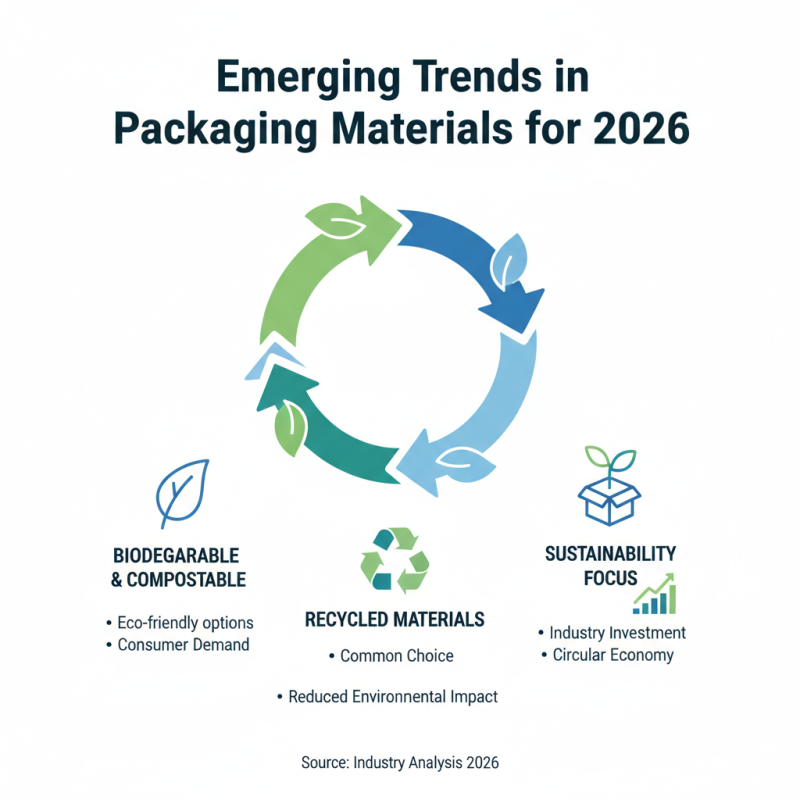
Emerging Trends in Packaging Materials for 2026

Top Packaging Materials for Global Buyers in 2026?

In 2026, packaging materials are set to evolve significantly. Sustainability leads the way. Biodegradable and compostable options gain popularity. This change responds to consumer demand for eco-friendly solutions. Companies are investing more in sustainable practices. Recycled materials will become a common choice. This shift reduces environmental impact and promotes a circular economy.

Innovation in packaging design is crucial. Smart packaging, which includes sensors and QR codes, enhances customer experience. This approach also helps brands reduce waste. However, integrating technology comes with challenges. Not all materials can support smart features. Brands must consider compatibility with sustainability goals.

Tips: Consider using recycled materials in your packaging. Evaluate suppliers thoroughly to ensure compliance with sustainability standards. Stay updated on emerging trends to keep your packaging relevant. Balancing innovation with sustainability requires continual improvement. Embrace new ideas but reflect on their long-term impact. This introspection fosters a more responsible approach to packaging in the coming years.

Sustainable Packaging Solutions in the Global Market

The shift towards sustainable packaging is more than a trend; it's a necessity. According to a recent report by Smithers Pira, the global market for sustainable packaging is projected to reach $600 billion by 2026. This projection highlights a growing demand for eco-friendly options among consumers and businesses alike. A survey by Nielsen indicates that 66% of global respondents are willing to pay more for sustainable products.

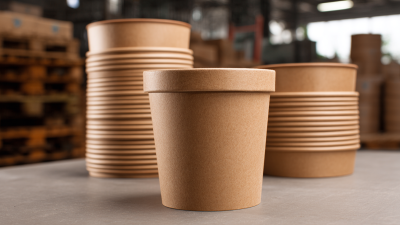
Sustainable packaging materials are varied. Biodegradable plastics, recycled paper, and plant-based packaging are gaining ground. Companies are exploring innovative alternatives, such as mushroom-based packaging, which helps reduce plastic waste. However, the transition is not without its challenges. Many traditional packaging materials are often more cost-effective, posing a barrier to widespread adoption.

Moreover, the sourcing and production of sustainable materials can be complex and costly. Supply chain issues may arise with sourcing renewable materials, influencing pricing strategies. Consumer expectations continue to evolve, pushing brands to find balance. As we move closer to 2026, the pressure for sustainable solutions intensifies. Organizations must invest in research and development to meet these needs while keeping sustainability at the forefront.

Top Packaging Materials for Global Buyers in 2026

Material Type Sustainability Rating Market Growth Rate (%) Key Benefits
Biodegradable Plastics High 15 Eco-friendly, reduces landfill waste
Recycled Cardboard Medium 10 Sustainable sourcing, lightweight
Plant-based Composites High 12 Renewable materials, multiple applications
Glass Packaging Very High 8 100% recyclable, premium feel
Metal Containers High 9 Durable, recyclable, and long-lasting

Innovative Technologies Shaping Packaging Development

Innovative technologies are driving transformation in packaging development. As of 2023, the global packaging market is projected to reach $1 trillion by 2026, according to market research reports. This surge is fueled by the growing demand for sustainable solutions. More than 70% of consumers prefer eco-friendly packaging options.

Biodegradable materials are on the rise. These alternatives can reduce plastic waste significantly. Research indicates that the use of plant-based materials may diminish environmental impacts by up to 50%. However, some challenges remain. The scalability of these materials is still an issue. Not every industry is ready to make the switch.

Technology integrates with packaging in dynamic ways. Smart packaging, utilizing QR codes and NFC technology, enhances consumer engagement. Reports show that around 60% of brands have invested in smart packaging solutions in the last year. This shift allows companies to track product freshness and improve supply chain transparency.

Nevertheless, concerns about data security linger, reminding us that innovation must be balanced with consumer trust.

Key Players and Manufacturers in the Packaging Industry

Top Packaging Materials for Global Buyers in 2026?

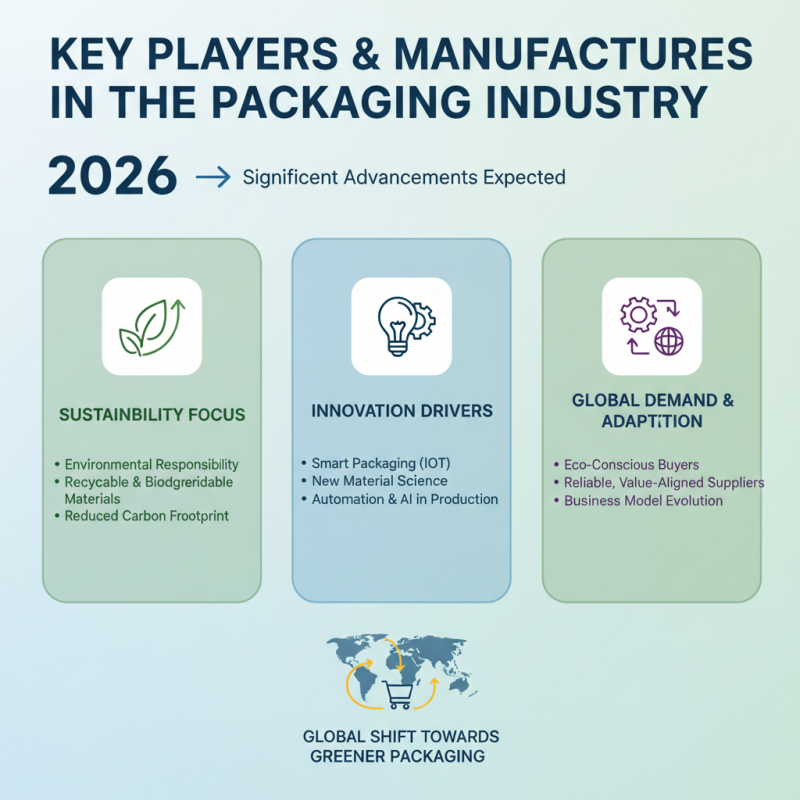
In 2026, the packaging industry is expected to see significant advancements. Key players will focus on sustainability and innovation. This shift reflects the growing demand from global buyers for environmentally responsible options. As businesses adapt, they seek out reliable suppliers that align with these values.

Manufacturers are not just producing traditional materials. They are exploring biodegradable and recyclable options. These materials meet the rising expectations of conscious consumers. However, the transition to new materials poses challenges. Not all manufacturers can easily adapt their processes to meet these innovative standards. The industry needs to invest in research and development.

Many manufacturers excel in producing conventional packaging solutions. Yet, their ability to adopt new materials will determine future success. Some may struggle to remain competitive in a rapidly evolving market. Establishing partnerships and investing in technology could be critical steps for those seeking to lead. As the landscape changes, ongoing evaluation and adaptation will be vital for all players involved.

Regulatory Changes Impacting Packaging Material Choices

Regulatory changes significantly shape packaging material choices worldwide. As sustainability becomes a priority, many countries are adopting stricter guidelines. These regulations often focus on reducing plastic usage and promoting recyclable materials. For example, some regions are pushing for bans on single-use plastics. This shift necessitates a reconsideration of packaging strategies.

Moreover, compliance with regulations can be challenging for manufacturers. They must stay informed about local and international laws. Navigating this complex landscape requires expertise in materials science and environmental impact. Companies may find it difficult to balance cost and compliance. The risk of non-compliance could lead to penalties or loss of market access.

Investing in innovative alternatives is essential. Biodegradable and compostable materials are gaining traction. These options not only meet regulations but also appeal to eco-conscious consumers. However, developing these materials is still evolving. It demands ongoing research and investment. Adapting to regulatory changes and consumer preferences is a complex process that needs careful consideration.

Top Packaging Materials for Global Buyers in 2026