Packaging Specialists
Packaging | Healthcare | Moulding

Top 10 Cups Containers Suppliers in China to Enhance Your Business?

In the dynamic world of Cups Containers, choosing the right supplier can greatly impact your business. Renowned expert, Dr. Lisa Chen, says, "Quality and innovation in cups containers are essential for success." This highlights the importance of selecting suppliers who not only offer high-quality products but also push the boundaries of design and functionality.

Cups containers have become a staple in diverse industries, ranging from food service to retail. With increasing consumer demand for sustainable and unique designs, businesses must align with suppliers who understand these trends. Reliable suppliers can help companies stay ahead in a competitive market. However, the quest for the ideal partner is not without its challenges. Many businesses struggle to find suppliers that meet their evolving needs consistently.

Understanding the landscape of Cups Containers suppliers in China can provide valuable insights. It is crucial to prioritize suppliers that demonstrate expertise and a genuine commitment to quality. The right choice can enhance brand reputation and customer satisfaction. But it requires research and reflection on past experiences to ensure alignment with your business goals.
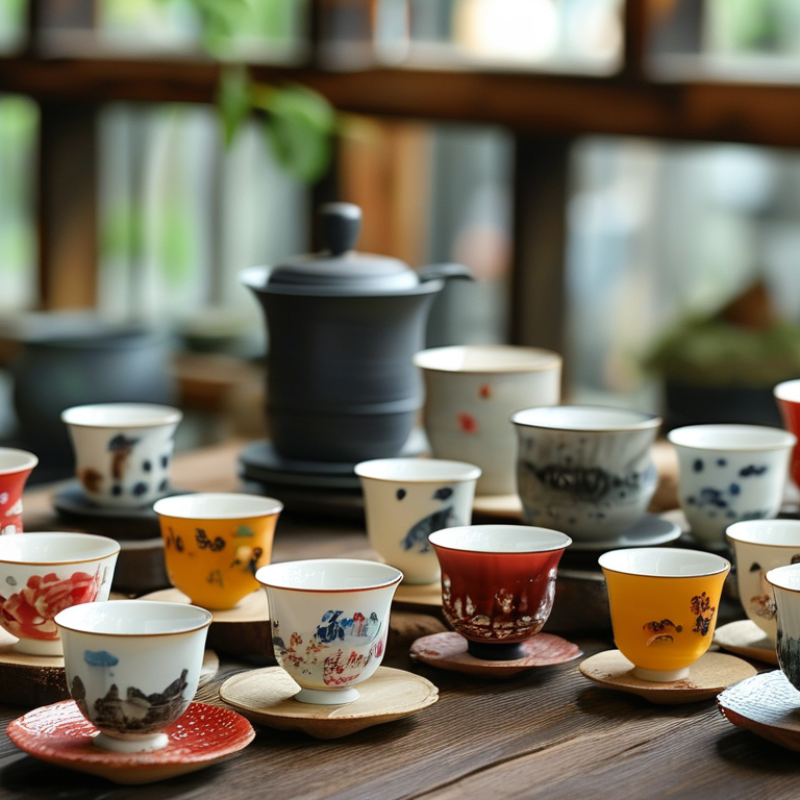
Top 10 Cups Containers Suppliers in China to Enhance Your Business?

Top 10 Cups Containers Suppliers in China: An Overview of the Market

The market for cup containers in China is vibrant and diverse. Suppliers offer a wide range of options to meet various business needs. From biodegradable materials to reusable designs, your choices are extensive. Many suppliers are focused on sustainability. This shift is crucial for businesses wanting to enhance their eco-friendly profile.

Quality control is essential in this market. Some suppliers struggle with consistency in production. Therefore, partnering with reliable manufacturers is vital. Establish clear communication to avoid misunderstandings. When looking for suppliers, reviews and testimonials are valuable. They provide insights into product reliability and service effectiveness.

Pricing varies significantly among suppliers. It's important to compare costs while ensuring quality doesn't suffer. Low price often comes with compromises. Assess your suppliers not only on initial cost but also on long-term value. This reflection can lead to better business decisions. Ultimately, finding the right supplier is crucial for your success in the cups container market.

Market Share of Top Cup Containers Suppliers in China

Key Factors Driving the Growth of the Cup Container Industry in China

The cup container industry in China is experiencing rapid growth, driven by several key factors. First, the shift towards environmentally friendly solutions is significant. According to a report by Market Research Future, the demand for biodegradable cups is expected to increase by over 15% annually. Businesses are increasingly adopting eco-friendly materials to align with consumer preferences.

Consumer trends play a vital role in this expansion. Data from Statista indicates that the disposable cup market size in China was valued at approximately $8 billion in 2021 and is projected to reach $12 billion by 2025. This growth reflects a rising demand for convenience among consumers. However, this convenience sometimes overshadows the need for sustainable practices, presenting a challenge for manufacturers.

Moreover, innovations in manufacturing processes are reshaping the industry landscape. Reports show that automated production lines can enhance efficiency by up to 30%, leading to lower production costs. Yet, companies often face difficulties in maintaining consistent quality. Balancing high-quality production with cost-effectiveness remains a pressing concern. Understanding these dynamics is crucial for suppliers looking to thrive in this competitive market.

Analysis of Supplier Capabilities and Product Offerings in China

When considering suppliers in China for cups and containers, it's vital to analyze their capabilities thoroughly. Many manufacturers offer a range of materials, including biodegradable options, plastic, and glass. Each material comes with its own set of advantages and potential drawbacks. For example, while plastic is lightweight and durable, it raises environmental concerns. Glass is recyclable but heavier, impacting shipping costs.

Vendor reliability is another critical factor. Check their production capacity and lead times to ensure they can meet your demands. Some suppliers may promise quick turnaround times but fail to deliver quality within the agreed timeframe. Building relationships with suppliers to understand their processes can lead to better cooperation.

**Tips:** Always request samples before placing large orders. This can prevent future issues with product defects. It’s also wise to engage in regular communication, so you remain updated on any changes in material availability or pricing. Establishing a strong partnership will be beneficial long-term.

Top 10 Cups Containers Suppliers in China to Enhance Your Business

Supplier Type Product Range Minimum Order Quantity Lead Time Certifications Export Markets
Manufacturer Plastic, Paper, Metal Cups 1000 units 4 weeks ISO 9001, FDA USA, EU, Asia
Wholesaler Eco-friendly Paper Cups 500 units 3 weeks FSC, BRC Europe, Middle East
Distributor Custom Designed Mugs 300 units 6 weeks CE, RoHS North America, Oceania
Manufacturer Stainless Steel Tumblers 800 units 5 weeks ISO 14001 Asia, South America
Supplier Bamboo Cups 2000 units 7 weeks FSC, FDA Global

Market Trends: Sustainable Materials in Cup Container Manufacturing

As the demand for eco-friendly products rises, the cup container manufacturing industry is undergoing a significant transformation. A recent report from MarketsandMarkets states that the sustainable packaging market is projected to reach $500 billion by 2028, driven largely by consumer preferences for recyclable and biodegradable materials. Companies are increasingly focusing on materials like bamboo, PLA (polylactic acid), and recycled paper. These materials not only reduce environmental impact but also appeal to a growing base of environmentally conscious consumers.

However, challenges remain in sourcing and production. While sustainable materials are gaining traction, not all manufacturers can consistently meet quality standards. A survey conducted by Smithers Pira indicates that only 30% of suppliers currently offer compliant products with sustainable certifications. This inconsistency can hinder businesses striving for authenticity in their sustainability messaging.

Furthermore, the process of transitioning to sustainable materials can be complex. Manufacturers may face higher costs and longer lead times. Some businesses may struggle to adapt their supply chain accordingly. Despite these hurdles, the overall trend shows that sustainability is becoming a necessary investment. Companies committed to enhancing their product offerings must navigate these complexities carefully to align with market demands.

Evaluating Pricing Strategies Among Leading Cup Container Suppliers in China

In evaluating pricing strategies among leading cup container suppliers in China, businesses must focus on key market dynamics. The market is projected to reach $11 billion by 2025, with increasing demand for sustainable materials. Suppliers often adjust prices based on material quality and production methods.

Many suppliers use tiered pricing structures. This approach helps them attract a broader customer base. For instance, eco-friendly materials may cost more upfront, but they appeal to environmentally conscious consumers. Reports indicate that around 70% of buyers are willing to pay a premium for sustainable options.

However, not all suppliers maintain transparency in pricing. Businesses may encounter hidden costs related to shipping and customs. It’s crucial to assess total expenditures, not just unit prices. An ongoing challenge in the market is balancing quality and affordability. Companies need to continuously evaluate suppliers to ensure competitiveness in this rapidly changing landscape.