In today's competitive market, sleeve packaging plays a vital role. It enhances product appeal and protects contents effectively. Brands must consider how sleeve packaging affects consumer choices.
Sleeve packaging offers innovative designs. It can wrap around a variety of shapes and sizes. This versatility allows products to stand out on store shelves. Eye-catching graphics and colors attract attention. However, not all designs succeed. A poorly executed design can confuse consumers.
Moreover, sleeve packaging is often more sustainable. Many options use recyclable materials. This aligns with the growing consumer preference for eco-friendly products. Nevertheless, companies need to balance sustainability with cost. Cheap materials can compromise quality. Businesses must reflect on their packaging choices to meet customer expectations.

Sleeve packaging plays a crucial role in enhancing brand visibility. It not only protects the product but also serves as an important marketing tool. Research indicates that 70% of purchasing decisions are made at the point of sale. Eye-catching sleeve designs can significantly influence customer choices. A well-designed sleeve grabs attention and communicates brand values effectively.
Tips: Focus on colors that resonate with your target audience. Bright colors can attract more attention, while muted tones may convey sophistication. Make sure the font is legible. Clear messaging goes a long way.
In today’s competitive market, brands are challenged to stand out. Unique sleeve packaging can help create a memorable impression. A study showed that products with distinctive packaging increased sales by 20%. Remember, simple designs can also be impactful. Overly complex designs may confuse consumers.
Tips: Test your designs before full production. A/B testing can provide insights into customer preferences. Solicit feedback to improve your packaging. Understanding your audience is key to effective branding.

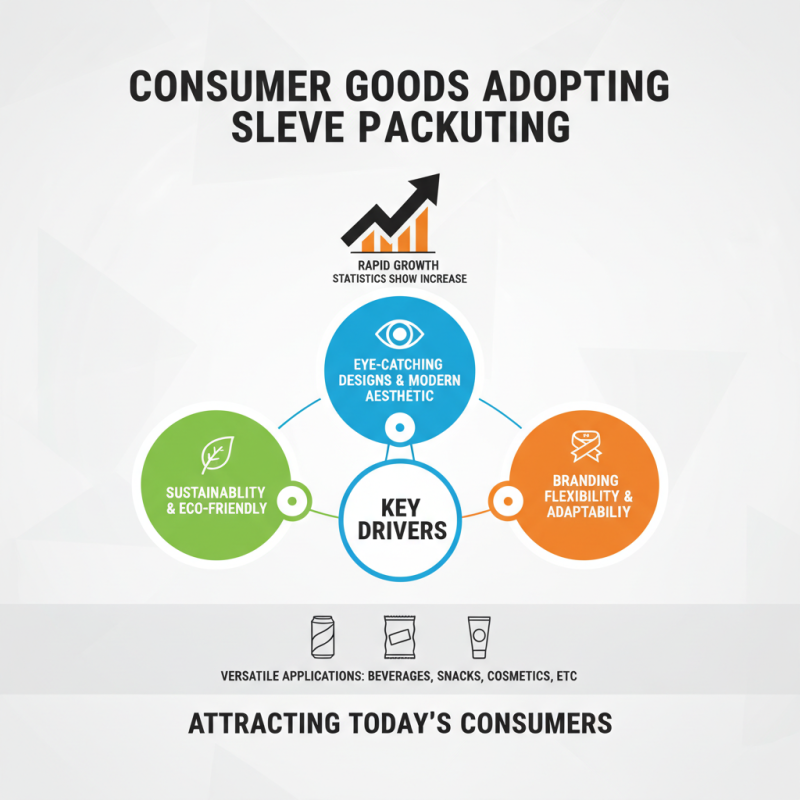
Sleeve packaging is rapidly gaining traction in the consumer goods market. Recent statistics show a remarkable growth rate in its adoption. This shift is driven by the need for eye-catching designs, sustainability, and flexibility in branding. Companies are moving towards sleeve packaging for various products, from beverages to snacks. It provides a modern aesthetic that attracts today's consumers.
Tips: Consider the environmental impact of your packaging choices. Opt for recyclable materials whenever possible. Pay attention to printing techniques that enhance visual appeal.
The rise in sleeve packaging also reflects changing consumer preferences. Shoppers are increasingly interested in products that stand out. Unique sleeves can convey brand messages effectively and enhance shelf presence. However, brands should not overlook the importance of functionality. Easy-to-open packs are vital for a positive user experience.
Tips: Always test your sleeve designs for practicality. Ensure that they protect the product while being visually appealing. Collect feedback to improve designs continuously.
In recent years, sleeve packaging has gained traction for its sustainability advantages. Reports indicate that over 45% of consumers prefer eco-friendly packaging options. Sleeve packaging often uses recyclable materials, reducing waste and environmental impact. Such materials can decrease carbon footprints significantly, sometimes by up to 30%. Innovations like plant-based inks further enhance this eco-friendliness.
However, there are challenges to consider. Many companies still rely on traditional packaging methods. This reluctance can hinder progress towards sustainability. Additionally, the recycling rates for sleeve packaging can vary widely. In some regions, only 25% of these materials are recycled properly. This disparity shows that while sleeve packaging has potential, there's room for improvement.
Moreover, not all sleeve products are created equal. Some use non-renewable resources, which contradicts sustainability goals. It's essential for businesses to continually evaluate their materials and processes. Embracing innovations while acknowledging shortcomings can drive the industry forward. As consumers demand more sustainable practices, sleeve packaging must adapt to meet these expectations.
| Dimension | Description | Environmental Impact | Innovations |
|---|---|---|---|
| Material Type | Biodegradable Plastics, Recycled Materials | Reduced landfill waste, Lower carbon footprint | Use of plant-based ink for printing |
| Production Process | Eco-friendly manufacturing methods | Lower energy consumption, Decreased emissions | Advanced printing technology for less waste |
| Consumer Awareness | Educating on sustainable choices | Increased demand for eco-friendly products | Augmented reality for product information |
| Lifecycle Analysis | Evaluation of product impact from creation to disposal | Identification of improvement areas | Implementing circular economy principles |
Sleeve packaging plays a crucial role in modern marketing. The design greatly affects consumer choices. Research shows that 67% of buyers are influenced by packaging aesthetics. Vibrant colors and unique shapes attract attention on store shelves. Consumers often rely on visual appeal when making quick decisions.
Moreover, studies indicate that 42% of shoppers say they would pay more for products with appealing designs. This suggests sleeve design is not just a protective layer but a marketing tool. Companies that invest in eye-catching packaging can differentiate themselves. Minimalistic or confusing designs often lead to consumer disinterest.
Interestingly, sleeve packaging is also an opportunity for storytelling. Brands can convey their values through creative designs. This connection can foster loyalty and repeat purchases. However, many brands overlook this potential. They stick to generic designs. This can lead to consumer apathy. In a competitive market, every detail matters.
Sleeve packaging has gained popularity for its cost-effectiveness. It often reduces material costs by up to 30%. This is critical for brands looking to optimize profit margins. According to recent industry data, sleeve packaging can enhance Return on Investment (ROI) by up to 150%. This makes it a preferred choice for many manufacturers.
Another advantage is that sleeve packaging minimizes waste. Brands that switch can see a significant drop in leftover materials. Less waste on the production floor means lower disposal costs. A report noted that companies can achieve a 25% reduction in waste with this packaging type. However, it's essential to consider the durability of the materials used. Some sleeves may not withstand transportation or storage well.
**Tip**: Always test packaging in real-world conditions before full-scale production.
The visual appeal of sleeve packaging can also drive sales. Eye-catching designs attract buyers. Yet, not all designs successfully communicate the product's value. An ineffective design can lead to poor sales even with the right packaging type. Continuous testing and market feedback can mitigate this risk.
**Tip**: Gather consumer feedback regularly. It helps refine packaging designs for better market fit.