Packaging Specialists
Packaging | Healthcare | Moulding

What is a plastic tube and its common uses?

Plastic tubes are versatile components used in various industries. Their lightweight and durable nature makes them ideal for numerous applications. According to a recent report by the Plastic Pipe and Fittings Association (PPFA), plastic tubes account for more than 50% of the global tubing market. This growing demand highlights the importance of understanding their common uses.

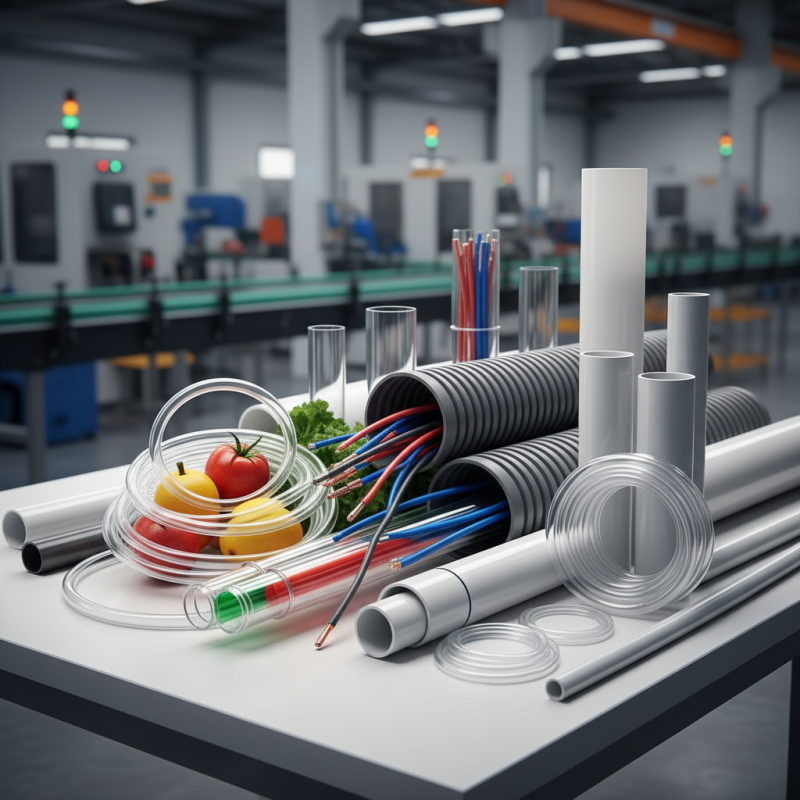
As noted by industry expert Dr. Emily Johnson, "Plastic tubes have transformed how we think about packaging and transport." They are widely used in packaging food and beverages, delivering liquids, and protecting electrical cables. The adaptability of plastic tubes allows them to meet stringent safety and quality regulations while remaining cost-effective.

However, the rise in plastic tube usage also brings challenges. Environmental concerns regarding plastic waste are significant. Many companies are now focusing on developing biodegradable alternatives. This ongoing shift represents both progress and the need for continued innovation in the plastic tubes sector. The future may offer better solutions without compromising their utility.
What is a plastic tube and its common uses?

Definition and Composition of Plastic Tubes

What is a plastic tube and its common uses?

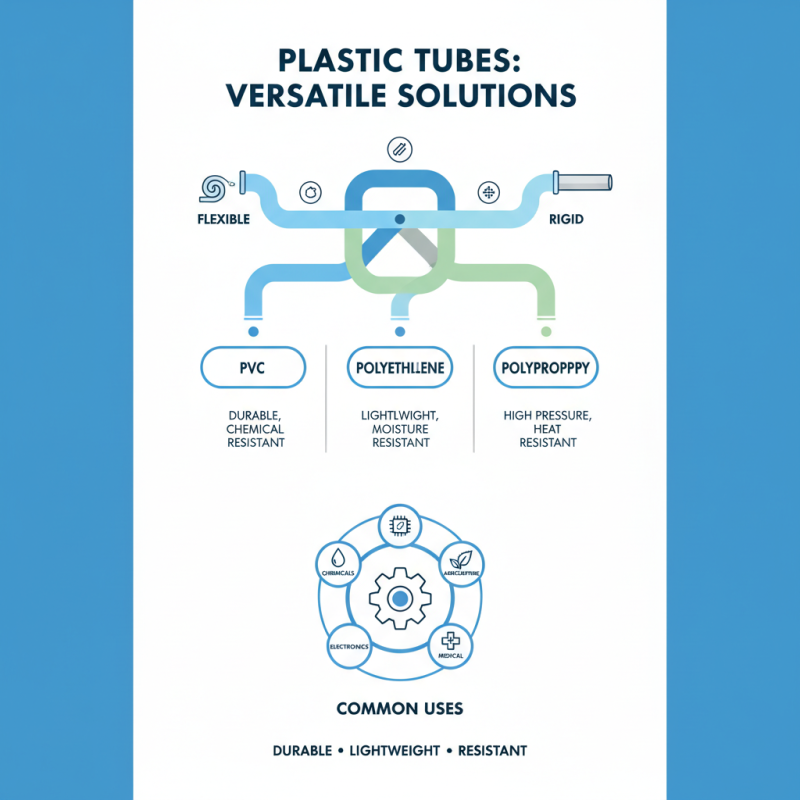
Plastic tubes are versatile products made from various types of plastic materials. Commonly used in many industries, they can be flexible or rigid. The most common types are PVC, polyethylene, and polypropylene. These materials are chosen for their durability, light weight, and resistance to chemicals and moisture. Many plastic tubes are designed to withstand high pressures, making them suitable for numerous applications.

Tips: When selecting a plastic tube, consider the specific demands of your project. Always ensure that the material meets your needs. A mismatch can lead to failure and waste.

Plastic tubes serve various purposes. They are often used in construction for plumbing and electrical applications. In the medical field, they are vital for transporting fluids. You can also see them in packaging, agriculture, and automotive parts. The adaptability of plastic tubes is a key advantage.

While there are many uses for plastic tubes, quality control is essential. Poorly manufactured tubes can compromise safety. It’s important to assess the tube's specifications. Think about the long-term effects of using substandard materials. They can lead to leaks or breakage over time.


Common Types of Plastic Tubes and Their Properties

Plastic tubes are versatile and widely used across various industries. They come in different types, each with unique properties tailored for specific applications. Common types include PVC, polyethylene, and polypropylene tubes. PVC tubes are known for their strength and rigidity. They often find use in plumbing and construction.

Polyethylene tubes, which are more flexible and lightweight, are ideal for packaging and insulation.

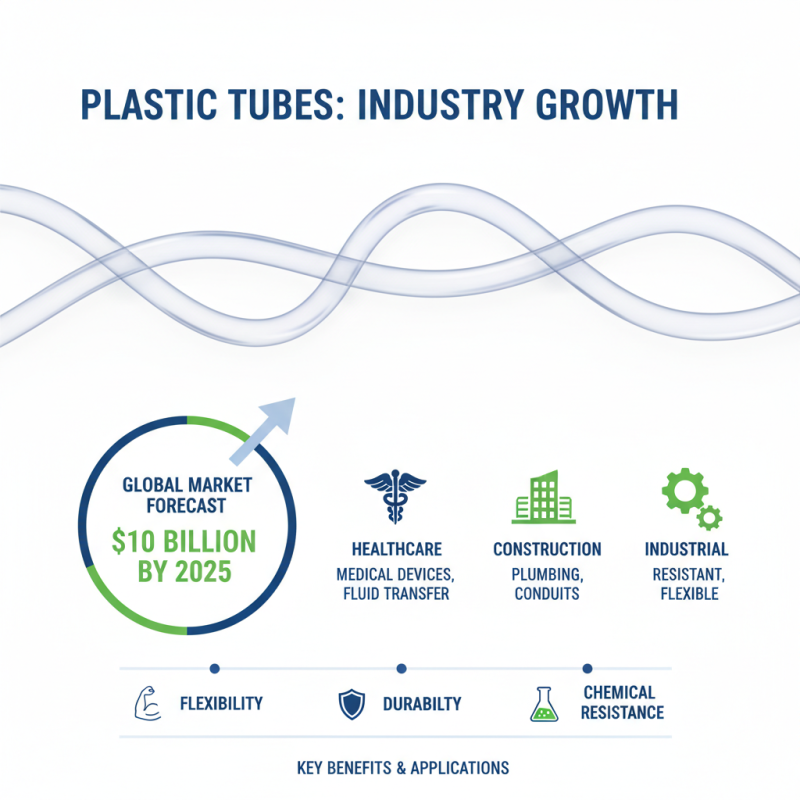
Polypropylene tubes are highly resistant to chemical and thermal stress. These tubes are frequently employed in medical devices and automotive applications. According to industry reports, the global plastic tubing market is projected to reach approximately $10 billion by 2025. This growth highlights the increasing demand for durable and lightweight materials.

Not all plastic tubes meet every need. Some may not withstand extreme temperatures or certain chemicals, leading to potential failures. Users often face challenges in finding the right tube for their purposes. The choice of material must consider environmental factors, pressure requirements, and application. Making the right decision can be complex and requires careful analysis.

Applications of Plastic Tubes in Various Industries

Plastic tubes have numerous applications across various industries. In healthcare, they are essential for medical devices and equipment. Flexible plastic tubes are used in IV drip systems and blood transfusion setups. These tubes maintain sterility and ensure safe fluid transfer. In the food industry, they are crucial for packaging and transportation. Food-grade plastic tubes help protect products and extend shelf life.

Moreover, the construction industry uses plastic tubes for plumbing and electrical wiring. They provide a lightweight yet durable solution. In landscaping, plastic tubing aids irrigation systems. It delivers water efficiently to plants. While these applications are effective, some issues arise. Not all plastics are recyclable, leading to environmental concerns. Industries need to consider sustainable alternatives. Finding a balance between functionality and sustainability is essential.

What is a plastic tube and its common uses? - Applications of Plastic Tubes in Various Industries

Industry Common Applications Material Types Diameter Range (mm)
Medical IV tubes, catheters, and drainage tubes PVC, PE, PP 1 - 25
Food Packaging Squeeze bottles, food wrappers, and pouches LDPE, HDPE, PET 5 - 50
Construction Drainage systems, electrical conduits PVC, CPVC 20 - 300
Automotive Fuel lines, radiator hoses, and air intake TPE, Nylon 5 - 40
Telecommunications Fiber optic housing and protective tubing PVDF, PVC 2 - 30

Advantages of Using Plastic Tubes Over Other Materials

What is a plastic tube and its common uses?

Plastic tubes are increasingly popular in various industries. They offer flexibility, durability, and resistance to many chemicals. According to a recent market study, the global plastic tubing market is expected to reach $10 billion by 2025. This growth is largely driven by their use in sectors like healthcare and construction.

One key advantage of plastic tubes is their lightweight nature. They are easier to transport and install compared to metal or glass. This can significantly reduce shipping costs. Additionally, plastic tubes are often more resistant to corrosion. In environments with moisture or chemicals, they outperform other materials. This leads many manufacturers to prefer plastic for its longevity.

Another factor to consider is cost-effectiveness. Studies indicate that plastic tubes can be less expensive to produce than alternatives. For example, the manufacturing cost of plastic tubes can be up to 40% lower than metal tubes. However, this also raises questions about environmental impact. While they are practical, plastic tubes contribute to pollution. This contradiction invites reflection on how we balance utility and sustainability.

Environmental Impact and Recycling of Plastic Tubes

Plastic tubes have become ubiquitous in our daily lives. They are used in packaging, medical applications, and even construction. However, their convenience comes with significant environmental concerns. Plastic tubes contribute to pollution when discarded improperly. They often end up in landfills or oceans, where they can take hundreds of years to decompose.

Recycling offers a potential solution, yet the reality is complex. Many plastic tubes are not easily recycled due to their mixed materials or contamination. It's challenging to convert them back into usable products. Some facilities may not accept them, leading to increased waste. This calls for a closer look at our consumption habits. Education and awareness about proper disposal and recycling methods are crucial.

We must reflect on our reliance on plastic tubes. The convenience they provide often overshadows their environmental impact. Advocating for alternatives, like biodegradable options, is essential. Each small effort can contribute to reducing plastic waste. It may not be a perfect solution, but it's a step toward a healthier planet.