Industrial Vision Inspection is transforming the manufacturing landscape. By 2026, this trend will be spotlighted at the Canton Fair, reflecting the industry's evolution. Reports estimate that the global machine vision market will grow at a CAGR of 7.5%, reaching $15.3 billion by 2026. Technology advancements, including AI, enhance inspection accuracy and efficiency.
At the Canton Fair, which runs from April 15 to May 5, exhibitors will showcase cutting-edge vision systems. The introduction of AI-driven features will allow buyers to filter suppliers with specific certifications, such as ISO and CE compliance. This is crucial as quality standards rise in an increasingly competitive market.
However, challenges remain. Many companies may struggle to implement these advanced solutions effectively. Adopting automation can sometimes lead to over-reliance on technology, raising concerns about the loss of skilled labor. Businesses must reflect on how to balance innovation with human expertise to harness the full potential of Industrial Vision Inspection.
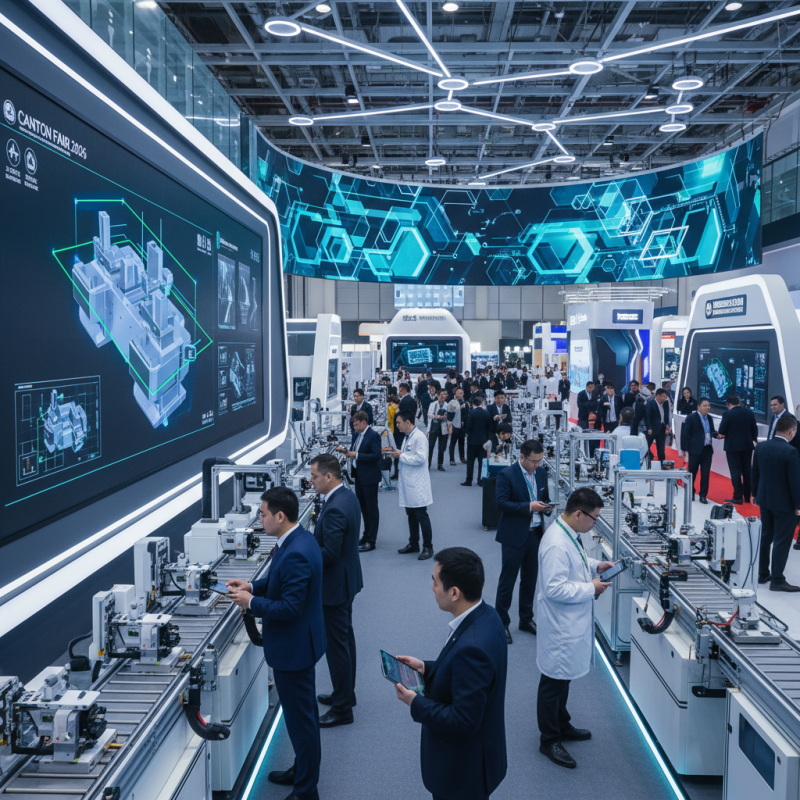
The 2026 Canton Fair showcases various emerging technologies in industrial vision inspection. This is an exciting opportunity for businesses seeking to improve quality control and automation. Advances in AI and machine learning are at the forefront. These technologies enhance image processing speed and accuracy. They can identify defects that human inspectors might miss.
One notable trend is 3D vision systems. They allow for deeper analysis of products. These systems help in assessing size, shape, and surface irregularities. However, integrating this technology can be challenging. Companies must invest in proper training and equipment. Adoption might not be straightforward for all.
Tip: Start small. Test new systems on a limited scale. Gather data and evaluate the effectiveness before a full rollout. This approach minimizes risk and allows for adjustments.
Another trend is the use of advanced sensors. These sensors provide high-resolution images. They support rapid decision-making in production lines. Yet, maintaining these systems can be costly. Regular updates and calibrations are necessary, which could strain smaller businesses.
Tip: Keep up with trends. Attending trade shows like the Canton Fair can provide valuable insights. Networking with professionals will help you stay informed about the latest advancements.
The manufacturing industry is rapidly evolving, especially regarding quality control. According to recent reports, the global industrial vision inspection market is expected to reach $3 billion by 2026. This growth is driven by increasing automation and the need for precise quality assurance. As manufacturers adopt advanced technologies, the emphasis on efficient inspection processes becomes increasingly critical.
AI and machine learning are significant trends influencing quality control. These technologies enable systems to learn and adapt, improving accuracy over time. Research indicates that automated inspection reduces error rates by 30-50%. However, implementing these technologies presents challenges. Many companies still struggle with integration and workforce training. Ensuring that teams are equipped to manage AI tools is crucial for success.
Another trend is the rise of real-time data analytics. Utilizing data in inspection processes helps identify issues faster. A report highlights that 60% of manufacturers have begun using real-time feedback loops. This shift allows for prompt adjustments but also exposes weaknesses in traditional methods. Many industries face hurdles in transitioning from outdated practices to data-driven environments. This journey requires reflection on existing systems and a willingness to adapt.
The integration of AI and machine learning in vision inspection systems is transforming industries. At the 2026 Canton Fair, this trend will be evident. AI algorithms can analyze images quickly, reducing human error. Machines can learn from mistakes, improving inspection processes over time. This leads to higher accuracy and efficiency in production lines.
*Tip: Regularly update your software. AI systems thrive on fresh data. An outdated system can miss important cues.*
Emerging AI tools can identify defects that the human eye might overlook. They can analyze patterns and anomalies, enhancing quality control. However, it's crucial to remember that these systems aren't flawless. False positives can occur, and the calibration of the system is vital. Companies need to retrain their models often for accuracy.
*Tip: Always run simulations. Confirm that your AI system is working as expected in different scenarios.*
As industries adopt these technologies, workforce training is essential. Employees must understand how to work alongside AI. Relying solely on machines can be risky. Human oversight is still needed to maintain quality and trust in the process. A balanced approach will yield the best results without over-reliance on technology.
| Trend | Description | Impact | Adoption Rate (%) |
|---|---|---|---|
| AI Image Analysis | Utilizing AI algorithms to enhance image processing and defect detection. | Significant improvement in accuracy and speed of inspections. | 75% |
| Machine Learning for Predictive Maintenance | Leveraging machine learning to predict equipment failures before they occur. | Reduces downtime and maintenance costs. | 68% |
| 3D Inspection Technologies | Using 3D imaging for more accurate measurements and defect identification. | Enhances defect detection capabilities. | 60% |
| Edge Computing Integration | Processing data at the edge to reduce latency in inspection systems. | Faster decision making and response times. | 55% |
| Cloud-Based Inspection Solutions | Utilizing cloud technology for data storage and analysis. | Improves collaboration and data accessibility. | 50% |
As we approach the 2026 Canton Fair, sustainability remains a hot topic in industrial vision inspection. The demand for eco-friendly practices is transforming traditional inspection processes. Many industries are now aiming to reduce waste and energy consumption. For example, recent reports indicate that companies are focusing on minimizing their carbon footprint by 30% over the next decade.
New technologies are being developed to support these goals. Machine vision systems are becoming more efficient and less energy-intensive. However, the challenge lies in the high initial costs of these advanced technologies. A survey revealed that 70% of manufacturers hesitate to invest due to budget constraints. This conservatism could stall progress toward a greener future.
Moreover, not all solutions are universally applicable. Different industries face unique challenges that require tailored approaches. For instance, some methods may reduce waste but increase processing time. Companies must reflect on their internal processes regularly. Finding balance is essential as they strive for improvement in both performance and sustainability.
This chart illustrates the key trends in industrial vision inspection processes towards sustainability and eco-friendly practices as projected for 2026. The data indicates the percentage adoption of various practices, emphasizing the growing commitment to sustainable materials, automated systems, AI, energy efficiency, and waste reduction.
The evolution of Industry 4.0 profoundly impacts vision inspection techniques exhibited at trade shows like the Canton Fair. These advancements enable manufacturers to use AI and machine learning for real-time quality analysis. Systems now offer higher precision and consistency. For instance, automated cameras can detect defects faster than the human eye. They analyze color, shape, and size, ensuring products meet the required standards.
However, challenges persist in integrating these technologies. Many companies struggle with the adoption of new systems. Training staff takes time and resources, often leading to resistance. Additionally, data security concerns often arise with connected devices. The balance between innovation and practicality requires careful consideration. As trade show attendees witness these trends, it becomes evident that while technology pushes boundaries, the human element remains critical for effective implementation.