Packaging Specialists
Packaging | Healthcare | Moulding

What is the Importance of Cardboard Packaging Tubes in Modern Industries

In the rapidly evolving landscape of modern industries, cardboard packaging tubes emerge as a vital component in sustainable packaging solutions. These versatile structures not only contribute to the eco-friendliness of various industries but also provide significant protection for the products they encase. According to industry expert Dr. Emily Carter, a packaging sustainability advocate, “The use of cardboard packaging tubes is a game-changer, as they offer both robustness and recyclability, aligning perfectly with the growing demand for sustainable practices in packaging.”

As industries continue to prioritize environmental responsibility, the importance of cardboard packaging tubes becomes increasingly evident. They serve a dual purpose: safeguarding products during transit and storage, while also minimizing ecological footprints through their biodegradable nature. The shift towards these innovative packaging solutions is not merely a trend but a fundamental change that reflects a broader commitment to sustainability.

Incorporating cardboard packaging tubes into business operations, therefore, not only meets consumer expectations for environmentally friendly practices but also enhances brand reputation. As companies navigate the challenges of balancing efficiency with sustainability, the insights from experts like Dr. Carter underscore the pivotal role that cardboard packaging tubes play in shaping a greener future for modern industries.

What is the Importance of Cardboard Packaging Tubes in Modern Industries

Importance of Cardboard Packaging Tubes in Reducing Environmental Impact

What is the Importance of Cardboard Packaging Tubes in Modern Industries

Cardboard packaging tubes play a crucial role in modern industries, notably in their contribution to reducing environmental impact. According to a 2021 study by Smithers Pira, the global market for sustainable packaging is expected to reach $600 billion by 2024, with cardboard packaging being a significant component due to its recyclable and biodegradable properties. The shift towards cardboard tubes helps minimize plastic use, which is essential as plastic waste continues to pose severe ecological challenges. With over 300 million tons of plastic produced annually, the reliance on alternative materials like cardboard can significantly lower the overall carbon footprint of packaging materials.

Furthermore, cardboard packaging tubes can help companies meet their sustainability goals and increasingly stringent regulations on packaging waste. Research from the Environmental Protection Agency (EPA) indicates that cardboard has a recycling rate of around 89%, far superior to that of plastic. By adopting cardboard tubes, businesses not only adhere to eco-friendly practices but also appeal to a growing demographic of environmentally conscious consumers. This shift not only strengthens brand loyalty but also opens up new markets.

**Tips:** When selecting cardboard packaging tubes, ensure they are sourced from recycled materials to maximize sustainability. Additionally, consider using soy-based inks for printing, as they are less harmful to the environment compared to traditional solvents. Additionally, exploring suppliers who commit to sustainable forestry practices can enhance your company's ecological footprint.

Role of Cardboard Tubes in Supply Chain Efficiency and Cost Reduction

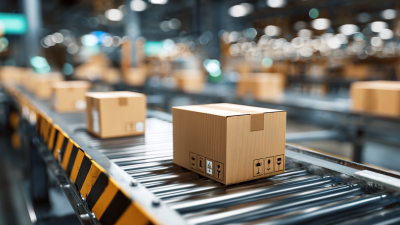
Cardboard packaging tubes play a critical role in enhancing supply chain efficiency by providing a lightweight, sturdy solution for product transportation. Their design allows for optimized space utilization, which not only minimizes shipping costs but also reduces the carbon footprint associated with logistics. By maximizing cargo capacity, these tubes enable businesses to transport a greater volume of goods in fewer shipments, ultimately streamlining the supply chain process.

Moreover, the adaptability of cardboard tubes contributes significantly to cost reduction. They can be customized to fit various product dimensions, ensuring that items are securely packaged without excessive material waste. This tailor-made packaging reduces the likelihood of damage during transit, which in turn decreases costs related to returns and replacements. Additionally, cardboard's recyclability aligns with modern sustainability goals, appealing to environmentally conscious consumers and further reducing disposal costs for companies. As industries increasingly seek efficient and cost-effective solutions, the importance of cardboard packaging tubes in the supply chain becomes increasingly evident.

Applications of Cardboard Packaging Tubes Across Various Industries

Cardboard packaging tubes have emerged as versatile solutions in various industries due to their eco-friendly nature and practical design. One of the most notable applications is in the food and beverage sector, where these tubes are used for packaging snacks, candies, and even beverages. Their ability to maintain product integrity while providing an attractive presentation makes them a preferred choice for manufacturers. Moreover, their lightweight and space-efficient design contributes to cost-effective transportation, further enhancing their appeal in this competitive market.

In the cosmetics and personal care industry, cardboard tubes serve not only as packaging but also as a branding tool. They allow for unique designs and customization, which help products stand out on crowded shelves. Additionally, these tubes are often used for items like creams, lotions, and lip balms, providing an eco-conscious alternative to plastic packaging. Their biodegradable properties resonate with environmentally aware consumers, promoting sustainability without compromising on quality or aesthetics.

Another significant application can be found in the art and craft sector, where cardboard tubes are utilized in a variety of creative projects. Artists and crafters frequently repurpose these materials for crafting, teaching workshops, or even commercial products. The versatility of cardboard tubes allows for easy manipulation, making them ideal for DIY projects ranging from educational tools to decorative items. As industries increasingly pivot towards sustainable practices, the prominence of cardboard packaging tubes continues to rise, solidifying their importance across diverse sectors.

The Importance of Cardboard Packaging Tubes in Modern Industries

Cardboard packaging tubes are widely used across various industries due to their sustainability and versatility. This chart illustrates the application of cardboard packaging tubes in different sectors, highlighting their importance in modern industries.

Market Trends: Growth and Demand for Sustainable Packaging Solutions

The growing awareness of environmental issues and the urgent need for sustainable practices have led to a significant shift in consumer preferences within modern industries. Cardboard packaging tubes are increasingly recognized as a viable alternative to plastic packaging due to their recyclability and biodegradability. As businesses strive to meet consumer demand for eco-friendly options, the market for sustainable packaging solutions is experiencing robust growth. This trend is reflected in various sectors, from food and beverage to cosmetics, where brands are re-evaluating their packaging choices to align with sustainability goals.

Moreover, the demand for cardboard packaging tubes is bolstered by their versatility and cost-effectiveness. These tubes are not only lightweight, reducing shipping costs and carbon footprints, but they also offer an excellent solution for protecting products during transit. As more companies commit to reducing waste and adopting circular economy principles, the emphasis on sustainable packaging solutions like cardboard tubes is expected to rise. This acceleration in market trends underscores the importance of adapting to consumer expectations, making sustainable practices not just a preference but a crucial element of business strategy in the modern industrial landscape.

Importance of Cardboard Packaging Tubes in Modern Industries

Dimension Value Description
Market Size (2023) $2.5 Billion Estimated market size of cardboard tubes globally.
Annual Growth Rate (CAGR) 7.5% Projected annual growth rate from 2023 to 2030.
Sustainable Packaging Demand 45% Percentage of consumers prioritizing sustainable packaging.
Packaging Waste Reduction 30% Reduction in packaging waste through the use of cardboard tubes.
End-User Industries Cosmetics, Food, Pharmaceuticals Key industries utilizing cardboard tubes.

Comparative Analysis: Cardboard Tubes vs. Plastic Packaging Alternatives

What is the Importance of Cardboard Packaging Tubes in Modern Industries

In the realm of packaging, cardboard tubes have emerged as a sustainable alternative to traditional plastic packaging. One of the most significant advantages of cardboard tubes is their biodegradability. Unlike plastic, which can take hundreds of years to decompose, cardboard is made from renewable materials that break down naturally, thus minimizing environmental impact. This shift towards eco-friendly solutions aligns with consumer preferences for sustainable products, making cardboard tubes increasingly popular among manufacturers across various industries.

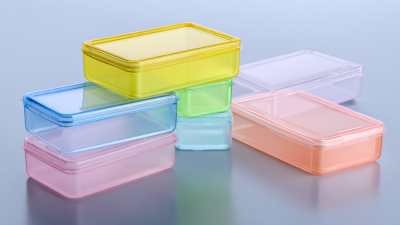
When comparing cardboard tubes to plastic packaging alternatives, the differences extend beyond environmental considerations. Cardboard tubes are light and versatile, allowing for efficient shipping and storage. They provide a sturdy structure that protects products during transit, while also offering customizable designs that can enhance brand visibility. On the other hand, plastic packaging, while often praised for its durability and moisture resistance, frequently faces criticism for contributing to plastic waste and pollution. As industries grapple with evolving consumer demands and regulatory pressures, the choice between cardboard and plastic packaging increasingly leans towards solutions that prioritize sustainability and environmental responsibility.