Packaging Specialists
Packaging | Healthcare | Moulding

How to Implement Machine Vision Inspection for Quality Control?

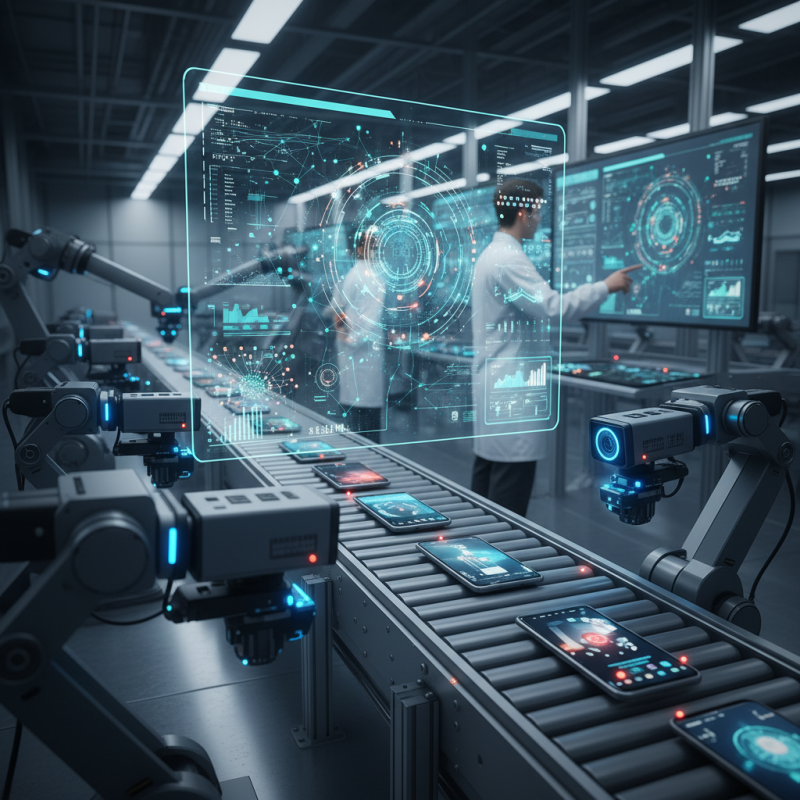
Implementing Machine Vision Inspection for quality control has become a priority for many industries. This technology utilizes cameras and advanced algorithms to detect defects in products. It offers fast and reliable inspections, significantly improving quality assurance processes.

However, transitioning to Machine Vision Inspection is not without challenges. Companies often face technical issues during integration. The selection of appropriate hardware and software can be daunting. Moreover, training staff to operate these systems effectively is crucial. Without proper training, the technology may not deliver its full potential.

Despite these hurdles, the potential benefits of Machine Vision Inspection outweigh the difficulties. Improved accuracy and reduced human error are key advantages. When executed properly, this technology can lead to greater customer satisfaction and reduced costs. It's essential to continually evaluate and refine the implementation process to maximize its effectiveness.
How to Implement Machine Vision Inspection for Quality Control?

Understanding Machine Vision Technology for Quality Control

Machine vision technology plays a crucial role in modern quality control. This technology uses cameras, sensors, and software to inspect products. The process is often automated and can detect defects in real-time. It helps maintain high standards in manufacturing. However, implementation can be challenging.

Selecting the right camera and lighting is vital. Poor choices can lead to inaccurate inspections. Calibration also requires attention. If cameras are not calibrated properly, they might miss defects. Additionally, training staff to interpret results can be complex. Misinterpretations can affect quality assurance processes.

Integrating machine vision into existing systems poses its own set of challenges. Compatibility issues may arise, causing delays. Ongoing maintenance is required to ensure optimal performance. Companies must be prepared to adapt and improve their systems continuously. Monitoring technology performance is essential for long-term success.

Machine Vision Inspection Accuracy Over Time

Assessing the Requirements for Machine Vision Inspection Systems

Implementing a machine vision inspection system requires thorough assessment. Start by understanding your production environment. Identify key factors like lighting, speed, and product types. Each factor impacts detection accuracy.

Tips: Analyze your workspace. Consider factors like space availability. A crowded environment may limit camera placement. Ensure you have clear views of the products.

Next, define your quality requirements. What defects must be detected? Clearly outline acceptable limits. This clarity aids in selecting the right technology. Work closely with engineering teams. They can provide valuable insights for effective inspection.

Tips: Create a checklist of defects. This helps to visualize inspection needs. Discuss it with your team regularly to keep everyone aligned.

Finally, evaluate the training needs for staff. Effective use of the system requires proper understanding. Underestimating this can lead to costly mistakes. Review how errors were handled in the past. There may be lessons that apply to your new system.

Choosing the Right Components for Machine Vision Implementation

Implementing machine vision for quality control is critical. Choosing the right components can streamline the process. According to a recent report from the Vision Systems Design, nearly 80% of manufacturers using machine vision notice improved quality and reduced waste. However, not all components are equal.

When selecting cameras, consider resolution and speed. Higher resolution captures finer details. However, speed can be affected in low-light or complex environments. A balance needs to be struck based on your specific requirements and production speed.

Tips: Invest in lenses that match your application. A mismatched lens can lead to distorted images. Also, evaluate lighting conditions. Proper lighting increases accuracy dramatically.

Selecting frame grabbers and software is equally important. Ensure they support the required data transfer rates. Inadequately matched systems can waste time and lead to incorrect inspections. Regularly review the workflow to optimize component choices.

Tips: Perform pilot tests before full deployment. This can highlight unanticipated bottlenecks. Regular feedback loops are vital as needs evolve. Reflect on the components you choose and keep adapting as technology changes.

Integrating Machine Vision with Existing Quality Control Processes

Integrating machine vision into existing quality control processes can significantly enhance production efficiency. According to a report by BCG, companies can improve their quality assurance rates by up to 25% when implementing visual inspection systems. These systems can quickly detect defects that human inspectors might miss.

However, integrating machine vision isn’t always seamless. Many organizations face challenges in training staff to use new technology. Employees may resist changing from traditional methods. The initial investment can be significant, and the return on investment might take time to realize. Effective training programs are essential for smooth adoption.

Data from McKinsey shows that 70% of digital transformations fail due to lack of employee engagement. This highlights the importance of addressing resistance. Clear communication of the benefits can foster acceptance. Visual inspection systems can reduce waste and improve accuracy. But continuous feedback loops are necessary. Organizations should not overlook the potential flaws in machine learning models. Regular adjustments will ensure sustained effectiveness.

How to Implement Machine Vision Inspection for Quality Control?

Step Description Benefits Tools/Technology
1 Assess current quality control processes to identify areas of improvement. Identify inefficiencies and potential for automation. Process Mapping Tools
2 Select appropriate machine vision technology based on inspection needs. Ensure high accuracy and reliability in inspections. Cameras, Lighting, Image Processing Software
3 Integrate machine vision systems with existing quality control workflows. Streamline processes and reduce human error. API Integrations, QC Software
4 Train staff to operate and maintain machine vision systems. Maximize the effectiveness of the technology. Training Modules, Workshops
5 Monitor performance and continuously optimize the inspection process. Maintain high quality standards and adapt to changes. Analytics Software, Performance Dashboards

Evaluating the Performance and Effectiveness of Machine Vision Systems

Evaluating the performance and effectiveness of machine vision systems is crucial for quality control. A recent report by the Robotics Industry Association highlighted that more than 70% of manufacturers implementing machine vision noticed a clear reduction in defects. This reduction can enhance customer satisfaction and overall product quality. However, many systems struggle to achieve consistent performance due to factors like environmental conditions and lighting variations on the production floor.

Accuracy is often the key metric for evaluating these systems. Many studies suggest that machine vision systems can achieve up to 99% accuracy in defect detection. Yet, there are instances where misidentification occurs. For example, complex patterns or subtle defects can confuse the system, leading to false positives or negatives. This imperfection underscores the need for continuous monitoring and fine-tuning of algorithms.

Additionally, integrating machine vision requires a cultural shift within an organization. Operators need training to understand—and leverage—these systems effectively. While the technology promises efficiency, a lack of proper training can lead to underutilization. When these factors are overlooked, the potential gains in quality control may not be fully realized.