Packaging Specialists
Packaging | Healthcare | Moulding

What is a Hollow Bit and How is it Used?

The Hollow Bit has become an essential tool in various industries, including construction and manufacturing. According to a recent report by the Global Tools Market Analysis, the demand for specialized drilling tools, like the hollow bit, has increased by 12% annually. This surge is driven by the need for precision drilling in materials like metal and wood.

Dr. James Carter, a noted expert in drilling technologies, states, "The hollow bit is designed for efficiency and accuracy." His insights underline the growing relevance of this tool in modern engineering. A hollow bit allows for drilling deeper holes while minimizing material waste. It’s not just about speed; it's about enhancing the overall drilling experience.

However, challenges exist. Not all users understand how to utilize a hollow bit effectively. Misuse can lead to poorer outcomes, raising questions about training and knowledge in the industry. As the market evolves, companies must invest in educating their workforce. Understanding the hollow bit's capabilities is crucial for maximizing its potential.
What is a Hollow Bit and How is it Used?

What is a Hollow Bit?

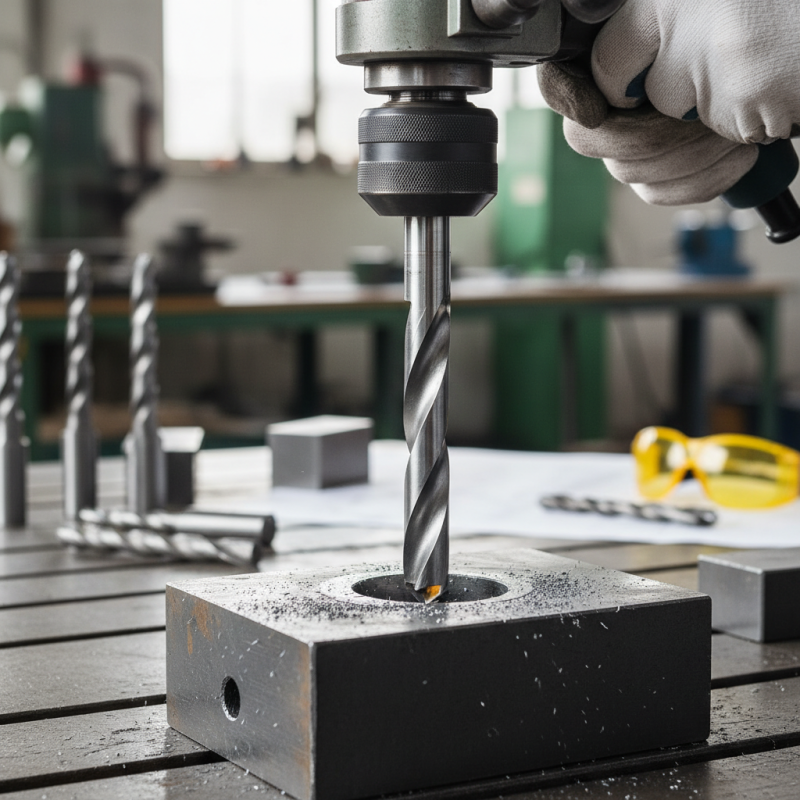
A hollow bit is a specialized tool, primarily used in woodworking and construction. It features a cylindrical shape with a hollow center, allowing it to create precise holes in various materials. Its design facilitates the removal of material while drilling, which can be particularly useful for tasks like creating dowel joints or installing locks.

When using a hollow bit, it’s important to select the correct size for your project. A bit that is too large may weaken the structure, while one that is too small will not accomplish the task effectively. Proper technique is crucial; applying excessive pressure can lead to damage or an uneven hole. Users often share mixed experiences, finding that some bits wear out faster than expected. This can be frustrating, especially if the job requires consistent quality.

Choosing the right drill speed matters too. A slow speed may not penetrate tough materials, while a high speed can cause overheating. Some projects may require multiple passes to achieve the desired depth. Many craftspeople suggest practicing on scrap material first. This approach helps build confidence and improves precision, although it can feel tedious. A hollow bit can be an invaluable addition to your toolkit, provided you learn its quirks and limitations through experience.

Construction and Design of Hollow Bits

Hollow bits are essential tools used primarily in construction and manufacturing. Their design allows for efficient drilling in various materials. These bits create cylindrical holes while removing debris effectively. According to a recent industry report, hollow bits can improve drilling speed by 25%. This efficiency is crucial for large-scale projects.

The construction of hollow bits involves precision engineering. They are often made from high-speed steel or carbide to ensure durability. The tip design varies based on the intended use. For instance, some bits have aggressive cutting edges for wood, while others feature more tapered designs for metal. Ensuring the right fit is vital to maximize performance. Poorly matched bits can lead to inefficiency.

**Tip:** Always check your drill specifications before selecting a hollow bit. This ensures optimal performance and prevents unnecessary wear.

Another consideration is maintenance. Hollow bits should be regularly cleaned to prevent material build-up. Such accumulation can hinder performance. Investing time in proper care extends the lifespan of your tools. There can be a temptation to skip maintenance, but the consequences can be costly.

**Tip:** Keep a maintenance schedule. Regularly check your tools to identify issues early.

Common Applications of Hollow Bits in Drilling

Hollow bits are essential tools in various drilling applications. They are characterized by their tubular shape, allowing for efficient material removal. One common application is in the construction industry. These bits are used to create precise holes in concrete or masonry. The hollow design helps to minimize debris, ensuring a cleaner workspace.

In plumbing, hollow bits play a crucial role. They help create openings for pipes and fittings. The bit’s ability to remove material efficiently is vital when working in tight spaces. Electricians also use these bits to drill through walls for wiring. The hollow structure allows for better accessibility in confined areas.

Despite their usefulness, some challenges exist. Using hollow bits requires a certain level of skill. Misalignment can lead to incomplete holes. The operator must monitor the drill’s angle closely. Sometimes, the bit can bind or overheat, resulting in a frustrating experience. Learning to use these tools effectively takes time and practice.

Advantages of Using Hollow Bits Over Traditional Bits

Hollow bits are specialized tools used for drilling holes in various materials. Their unique design allows for more efficient cutting. Data indicates that using hollow bits can increase drilling speed by up to 30%, especially in tough materials. This efficiency stems from their ability to remove debris quickly. Traditional bits can struggle with this, which often slows down the process.

One of the key advantages of hollow bits is their ability to create cleaner holes. They produce less material waste, which is essential in many applications. Studies show that using hollow bits can reduce waste by around 25%. This not only saves materials but also minimizes cleanup time.

**Tip:** When using hollow bits, ensure you apply the correct pressure. Too much force can lead to dulling.

These bits also enhance precision. Their design helps maintain stability during drilling. However, not every project requires hollow bits. Sometimes, traditional bits might suffice for softer or less dense materials. It’s important to assess your needs before choosing the correct type.

**Tip:** Always test a hollow bit on scrap material before the final project. This can help prevent surprises.

Maintenance and Care for Hollow Bits

Hollow bits are essential tools often used in construction and woodworking. To maintain their effectiveness, proper care is crucial. According to industry reports, regular maintenance can extend the lifespan of hollow bits by up to 30%. Keeping them clean is vital for optimal performance. Dust and debris can accumulate, leading to dullness and inefficiency.

One important tip is to clean hollow bits after each use. Use a soft brush to remove any residue. This simple step can prevent corrosion and extend usability. Inspect your bits regularly for any signs of wear. Small nicks may seem harmless but can affect cutting precision.

It’s also wise to store hollow bits in a dry place, preferably in a protective case. Moisture can lead to rust, posing a severe risk to their function. Always ensure your tools are sharp. Dull bits require more force and may lead to accidents or imprecise work. While it may seem tedious, maintaining proper tool hygiene pays off in the long run. Take the time to care for your hollow bits, and they'll reward you with better performance.