Essential Guide to Book Printing Inspection Why Is It Important?
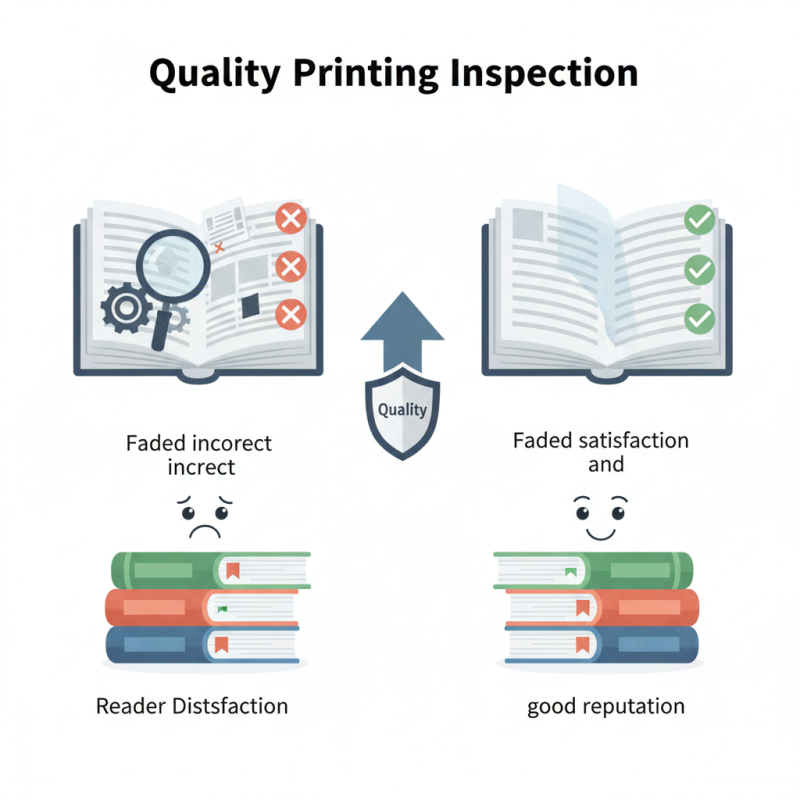
In the world of publishing, "Book Printing Inspection" is crucial. Many overlook this step, assuming all will turn out well. However, without careful inspection, errors can slip through unnoticed. From faded ink to incorrect layouts, these issues can impact a reader's experience.
Imagine receiving a shipment of books, only to find that half of them contain printing mistakes. This scenario is all too common. It highlights why each stage of production deserves scrutiny. Inspections can save time, resources, and the reputation of the publisher. Quality control must be a priority.
Embracing rigorous book printing inspection means you show commitment to excellence. It's an opportunity to ensure that every copy meets high standards. Perfection is an ongoing journey. Reflecting on past mistakes can lead to a better future in publishing. Ignoring inspection can lead to dissatisfaction from readers and damage to credibility. Always prioritize quality through thoughtful examination.
Importance of Book Printing Inspection in Quality Control
Book printing inspection plays a crucial role in quality control. According to a report by the Printing Industry Association, 30% of printing issues arise from poor inspection processes. Any oversight can lead to significant reprints, wasting both time and resources. The cost of defective books extends beyond production. It damages a publisher's reputation and limits market reach.
In recent years, data indicates that around 20% of printed materials fail to meet quality standards. Common issues include color misalignment, paper quality defects, and binding errors. For instance, a survey showed that 40% of customers expect flawless designs. When defects occur, customer trust erodes, and the likelihood of repeat business diminishes.
Frequent inspections mitigate risks. Using tools like colorimeters for color accuracy can prevent errors. Visual checks help identify issues early, saving costs and time. However, the implementation of inspection processes isn't always perfect. Many companies still overlook this step, which can lead to adverse outcomes. Emphasizing quality control measures is not just good practice; it’s crucial for long-term success.
Key Steps in the Book Printing Inspection Process
Book printing inspection is a crucial step in the production process. It ensures quality and adherence to specifications. According to a study by Smithers Pira, up to 30% of print jobs encounter issues that can lead to increased costs and delays. Effective inspection can mitigate these risks.
Key steps in the inspection process include reviewing proofs, checking color consistency, and assessing binding quality. Proofs are the first indication of potential problems. Inspectors should carefully compare the printed sample with the original design. Color discrepancies can happen due to various factors such as ink quality and printer calibration. A minor color shift might seem negligible, but it can affect overall aesthetics.
Inspecting binding is equally important. Flaws in binding can lead to pages falling out. Statistics reveal that around 15% of books face binding issues. Regularly auditing printers and their processes can minimize these occurrences. However, not all steps are foolproof. There may still be occasional misprints or alignment issues. Each defect serves as a learning opportunity, emphasizing the need for a thorough review process. By refining inspection practices, publishers can significantly enhance final product quality.
Common Issues Identified During Book Printing Inspections
Book printing inspections are crucial to ensure the final product meets quality standards. Common issues can arise during this process. One frequent problem is misalignment of text and images. This can lead to a poorly presented book that feels unprofessional. Issues like colors not matching can also occur. If the cover color differs from interior pages, it creates a disjointed appearance.
Another common issue is page quality. Thin or damaged paper can affect readability. It leaves a negative impression on readers. Sometimes, ink smudges may appear, especially in large prints. This not only hinders visual appeal but also impacts the overall experience. Additionally, binding defects, such as loose pages or improper gluing, can compromise the integrity of the book.
Inspecting for these issues is essential. It helps identify potential flaws before producing larger quantities. However, it is not always flawless. Even with inspections, defects can slip through the cracks. Not all printers prioritize meticulous quality checks. This requires constant reflection and improvement. Ensuring a seamless production process demands attention to detail and a commitment to excellence.
Tools and Technologies Used for Effective Printing Inspections
In the world of book printing, effective inspection is crucial. Various tools and technologies are available to ensure quality. Inspectors often use digital scanners for accurate color checks. These devices can detect inconsistencies that the human eye might miss. Additionally, software solutions can analyze print runs for defects. This technology allows for real-time evaluation, helping to catch errors early.
When conducting print inspections, keep these tips in mind:
Always calibrate your equipment regularly. Even minor adjustments can enhance print quality. Invest in training for your inspection team. Skilled inspectors are essential for identifying issues. They should understand how to interpret data from inspection tools.
Mistakes can happen in any printing process. It’s important to have a feedback loop. If an issue is detected, analyze it to prevent future occurrences. Regular reviews of past projects can reveal trends in errors. Learning from these mistakes can foster improvement. This proactive approach leads to higher quality prints and better satisfaction for readers.
Best Practices for Conducting Book Printing Inspections
Conducting thorough book printing inspections is vital for ensuring quality. Data shows that 20% of printed books have defects. Issues can range from color discrepancies to binding flaws. This highlights the importance of a systematic inspection process throughout printing.
Best practices begin with pre-press checks. Verify file formats and bleed specifications. Ensure that colors are consistent across digital proofs. During printing, monitor ink levels and press settings closely. Use color swatch comparisons to maintain color fidelity. After printing, perform random spot checks on finished products. Gathering data on defects allows for continuous improvement in quality.
Feedback from printed samples should be analyzed rigorously. A common issue is misalignment in pages, which can detract from readability. Regular inspections can identify trends that require addressing. Real-time adjustments on the press can save time and reduce waste. Industry reports indicate that 75% of printing companies adopt a formal inspection process. However, others may overlook this step, risking costly recalls. Each detail matters in book printing.
Essential Guide to Book Printing Inspection Why Is It Important? - Best Practices for Conducting Book Printing Inspections
| Inspection Aspect | Importance | Best Practices |
| Paper Quality | Ensures durability and readability | Test a sample batch before full print |
| Color Consistency | Maintains brand identity and aesthetic appeal | Use calibrated monitors and print proofs |
| Binding Integrity | Prevents pages from falling out | Inspect bind quality and strength |
| Print Alignment | Ensures text and images are properly placed | Check edge alignment with every print run |
| Proofreading | Eliminates errors before printing | Engage multiple reviewers and use checklists |
