In the world of packaging and storage, plastic tube containers have emerged as a versatile solution. According to industry expert Dr. Sarah Thompson, "The design of plastic tube containers significantly enhances usability and preserves contents." With their ability to secure a variety of products, these containers provide an ideal blend of functionality and style.
However, effectively using plastic tube containers requires attention to detail. Many overlook the importance of choosing the right size and material. Choosing a container that is too large or too small can lead to waste. Furthermore, not considering the transparency of the tube can affect product visibility. To maximize their benefits, users must pay careful attention to these factors.
It’s essential to remember that not every application suits plastic tube containers perfectly. Some products may require different storage solutions. Regularly reassessing container choice can lead to better decision-making. This approach promotes efficiency while ensuring contents remain safe. Engaging with the versatility of plastic tube containers can inspire creativity in packaging solutions.
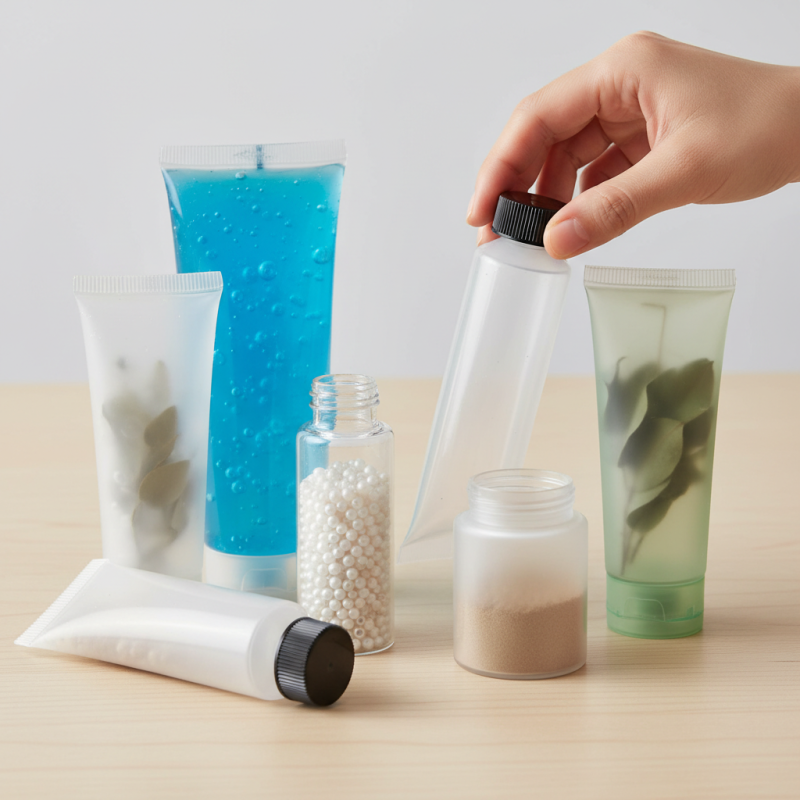
Plastic tube containers have gained popularity across various industries. These versatile packages are commonly used for cosmetics, pharmaceuticals, and food products. The global market for plastic containers is projected to reach $400 billion by 2027, showing a steady growth trend. They offer practicality and efficiency, making them an ideal choice for many applications.
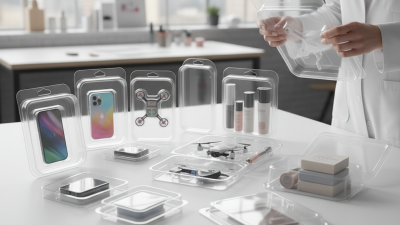
Understanding the different types of plastic tube containers is vital. They come in various styles, such as squeeze tubes and rigid tubes. Squeeze tubes are often preferred for their ease of use. Moreover, rigid tubes provide durability and can be designed for specific dispensing needs. Misconceptions can arise about their recyclability; many consumers believe all plastics are recyclable, leading to improper disposal. Data indicates that only 9% of plastic waste is truly recycled.
Usage varies significantly by industry. In cosmetics, these tubes protect contents from contamination and maintain product integrity. However, containers can sometimes be less user-friendly for customers, especially older adults or those with disabilities. Ensuring that packaging is accessible is a crucial point. In the food industry, safety regulations play a significant role in tube design. It’s essential for manufacturers to keep these factors in mind, as consumer perception can be impacted by packaging failures.
Choosing the right size and shape for your plastic tube containers is crucial. Start by evaluating what you intend to store. Will it be liquids, powders, or small items? This helps narrow down your choices. For example, a wide tube can be ideal for thick liquids but may not work well for granulated substances. Sometimes, people overlook the importance of shape and end up with containers that don't fit their storage needs.
Next, consider the space where you will keep these containers. A tall, narrow tube might suit a cupboard, while wider, shorter tubes are better for desks. Measurement matters. Sometimes we guess, and it leads to poor fits. Measure your items and the intended storage area. This small step prevents frustration later. A well-chosen container can save time. However, if the fit is off, accessing your supplies can become a hassle.
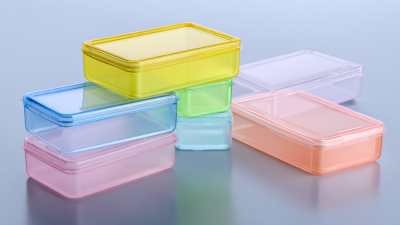
Finally, think about color and visibility. Clear containers allow you to see the contents at a glance. If color coding helps you organize, pick shades that resonate with your system. Remember, the perfect container may require several trials or even revisiting choices. Reflection on previous selections can aid better decisions in the future.
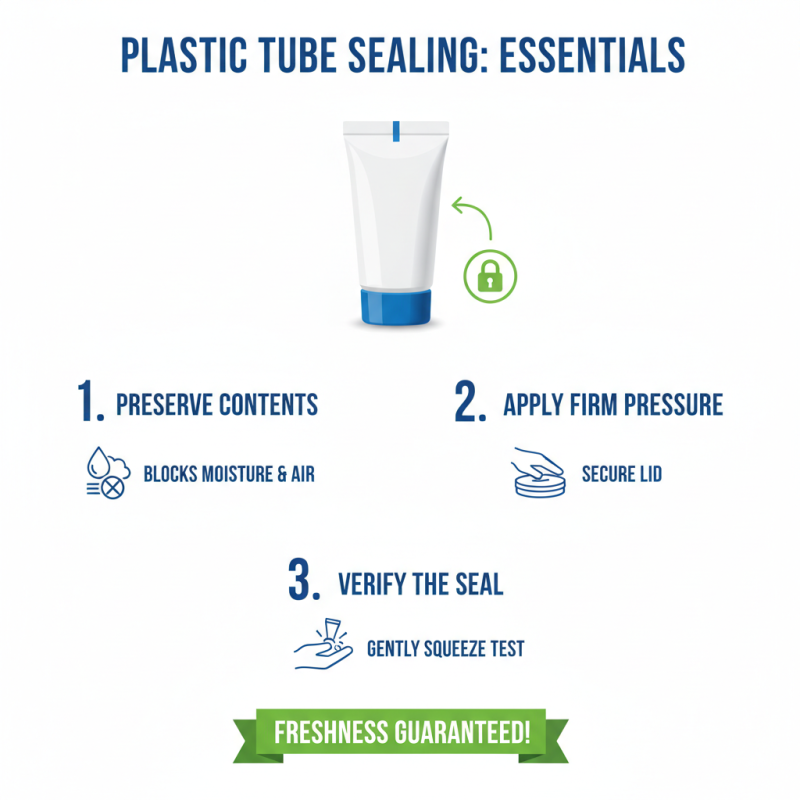
Proper sealing of plastic tube containers is essential for preserving contents. A tight seal prevents moisture and air from entering. This is crucial for items like food or powders. Use firm pressure when closing the lids. Sometimes, you might not get it right on the first try. Don't hesitate to check if the seal is secure after applying it. A simple test is to gently squeeze the container.
Storage conditions also play a significant role. Keep containers away from direct sunlight and extreme temperatures. A cool, dark place is ideal for maintaining quality. It’s easy to forget these factors when you’re in a hurry. Rushed storage can lead to spoilage or degradation. Remember to label your containers clearly. This will help avoid confusion later. Mistakes can be costly if contents are not used in time.
Regularly inspect your stored items. Look for signs of damage or wear. This helps prevent contamination. Ensure you clean the containers before refilling. Residual substances can affect new contents. Taking these steps will enhance your storage practices. It may feel tedious, but the results are worth it.
Plastic tube containers can transform your organizing game. According to the Container Store's industry report, 67% of people feel less stressed in tidy spaces. These versatile containers have endless possibilities. Use them for crafting supplies, kitchen essentials, or even office materials. Imagine your art supplies displayed in vibrant, labeled tubes. This not only looks great but also makes finding what you need effortless.
Display these containers in creative ways. Arrange them on shelves by color for a visually appealing look. However, be mindful of clutter. Overloading a shelf can lead to chaos rather than order. A survey from the National Association of Professional Organizers indicates that 83% of people struggle with messy workspaces. It’s essential to curate your collection thoughtfully.
Consider mixing sizes for added interest. A small tube might hold scissors while a larger one could store paintbrushes. This layering technique can create depth in your organization. Remember, it’s not just about aesthetics. Functionality is key. Not all containers serve their purpose equally. Regularly reassess your setup. If a container isn’t working for you, find a new use or retire it. Elevating your organization involves ongoing reflection and adaptation.
| Tip Number | Tip Description | Creative Use |
|---|---|---|
| 1 | Label each container for easy identification. | Use color-coded labels for a vibrant display. |
| 2 | Stack them for space-saving storage. | Create a vertical garden display using stacked tubes. |
| 3 | Use clear tubes to showcase items. | Display colorful craft supplies or candies for decoration. |
| 4 | Repurpose for gift packaging. | Fill with treats and decorate for festive occasions. |
| 5 | Utilize for storing small tools or equipment. | Organize screws, nails, and washers in a toolbox. |
| 6 | Create a portable first-aid kit. | Store band-aids, ointments, and gauze in one tube. |
| 7 | Make a DIY organizing system for cables. | Tidy up charger and earphone cables in labeled tubes. |
| 8 | Perfect for organizing art supplies. | Store brushes, markers, and small paints in tubes. |
| 9 | Use them to create themed displays. | Set up a seasonally themed assortment of items. |
| 10 | Incorporate into party or event decor. | Fill with flowers or lights for a unique centerpiece. |
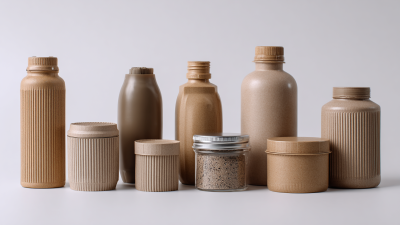
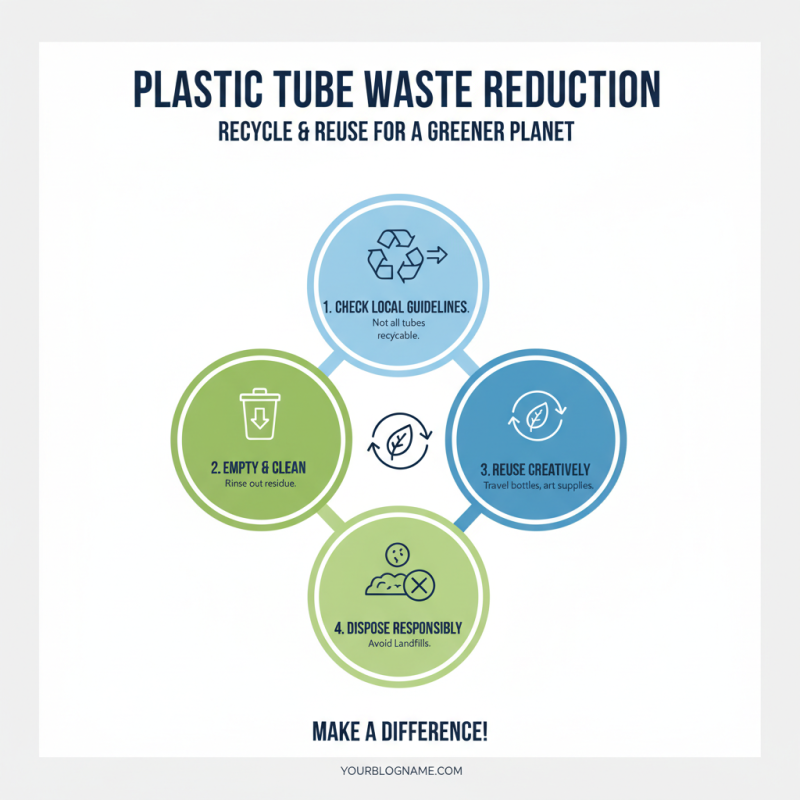
Sustainable practices are crucial for reducing waste. Recycling and reusing plastic tube containers can make a big difference. Start by checking local recycling guidelines. Not all plastics are recyclable. This means some tubes might end up in landfills.
Consider repurposing these containers. They can hold office supplies, small tools, or even craft materials. Decorate them for a personalized touch. Encourage kids to join in. They’ll enjoy creating their own storage solutions.
When doing crafts, ensure the tubes are clean. Remove labels for a smoother finish. Mixing creativity with sustainability is rewarding. Be mindful of how many containers accumulate in your home. Consider sharing them with neighbors or community centers.
Every small action counts towards a healthier planet. Use these tubes wisely, and remember, the journey doesn’t have to be perfect. Embrace the learning curve. Reduce, reuse, and recycle. The impact of our choices can be significant.