Packaging Specialists
Packaging | Healthcare | Moulding

10 Essential Tips from Packaging Specialists for Effective Product Presentation?

In today's competitive market, effective product presentation is crucial. Packaging specialists play a vital role in this process. They combine creativity with strategic planning to enhance product appeal. Their insights can significantly influence consumer decisions.

One key aspect is understanding target audiences. Packaging must connect emotionally with potential buyers. Colors, shapes, and graphics can create strong impressions. Specialists suggest using sustainable materials to attract eco-conscious consumers. This choice can boost a brand's reputation.

However, there are challenges. Not all designs resonate with consumers as intended. Testing concepts is essential but often overlooked. Packaging specialists emphasize the need for feedback. Iterative design processes can refine and improve initial ideas. This approach ensures packaging not only looks great but also performs well on shelves.
10 Essential Tips from Packaging Specialists for Effective Product Presentation?

Understanding the Importance of Product Packaging in Marketing

10 Essential Tips from Packaging Specialists for Effective Product Presentation?

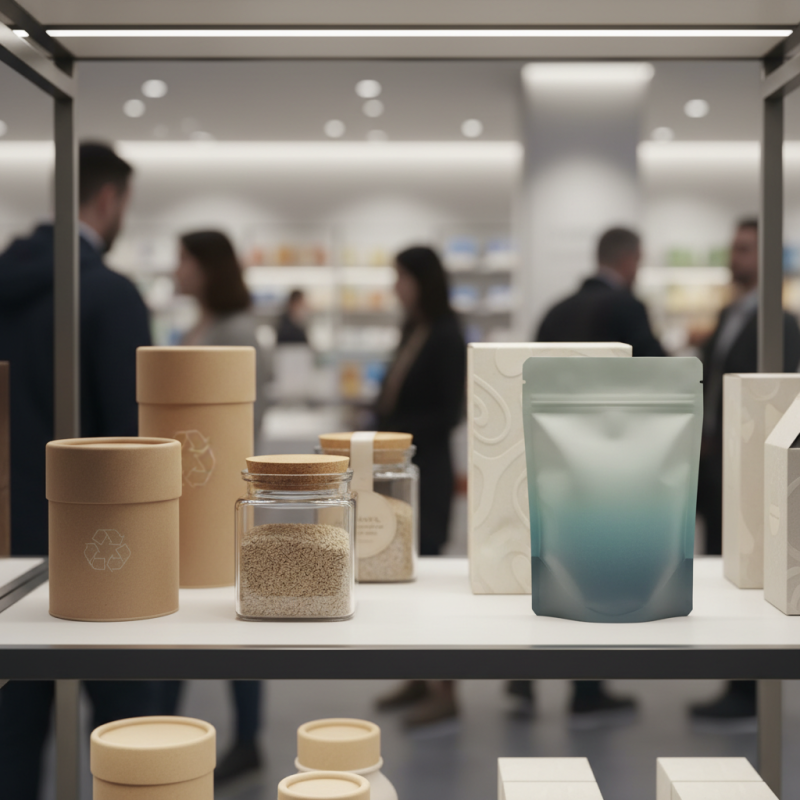
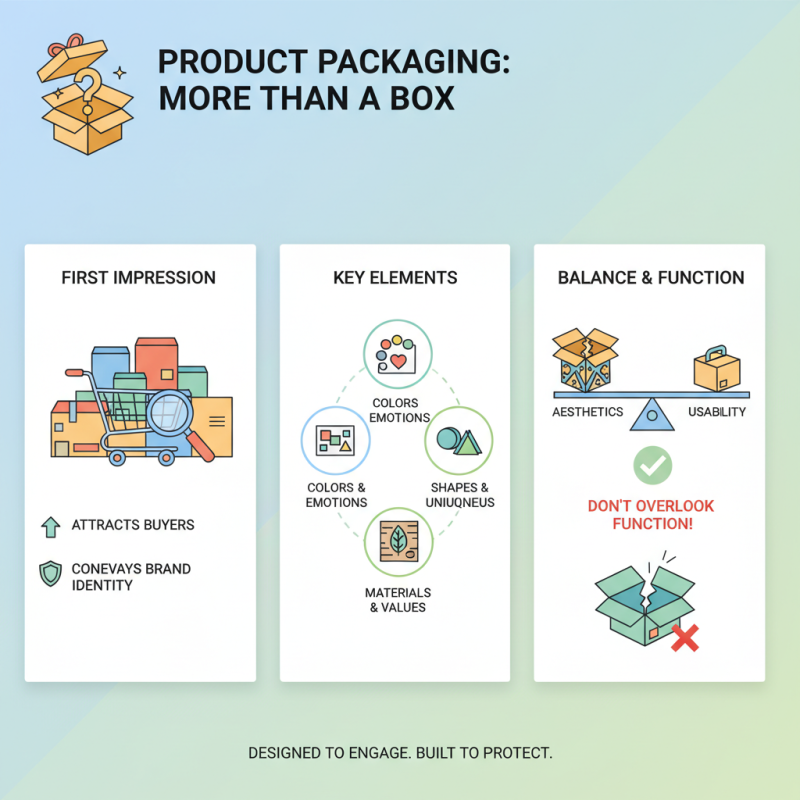
Product packaging plays a crucial role in marketing. It’s more than just a protective layer; it’s a first impression. A well-designed package attracts buyers. It conveys brand identity and values. Colors, shapes, and materials can evoke emotions. Simple designs may stand out in a crowded store. However, some brands overlook the balance between beauty and function. It's vital not to let aesthetics overshadow usability.

Thinking about sustainability is essential. Many consumers today prefer eco-friendly packaging. It doesn’t only benefit the planet; it also shapes brand perception. Brands should be careful with packaging waste. Too much plastic can alienate eco-conscious consumers. Furthermore, clarity in information matters. If instructions are hard to find, potential buyers may feel frustrated. Clear labeling helps build trust.

Product packaging can reflect a brand’s story. Each detail carries meaning, but not every attempt hits the mark. A mismatch between packaging and product can confuse customers. Sometimes, focusing too much on trends can lead to forgettable designs. Understanding target audiences is key. Not all designs will resonate equally. Brands must regularly reassess their approach to stay relevant. Striking the right balance is a continuous journey.

Key Elements of Effective Packaging Design for Consumer Appeal

Effective packaging design is crucial for attracting consumers. Studies show that around 72% of consumers say packaging influences their purchasing decisions. In an era where brand loyalty is declining, a product's visual appeal can make or break its success on the shelf. Clear and engaging design communicates the essence of the product. Using colors effectively can capture attention; 85% of consumers base their color choice on visual appeal.

Incorporating tactile elements can enhance user experience. A soft-touch finish or embossed textures invites consumers to engage with the packaging. Packaging should be functional yet aesthetically pleasing. However, brands often overlook the importance of sustainability. Research indicates that 66% of consumers prefer brands offering eco-friendly packaging. This preference can lead to improved brand perception. Ignoring this trend could alienate a growing segment of environmentally conscious shoppers.

Diverse shapes and innovative closures can also play a role. They create curiosity and encourage exploration. Yet, brands sometimes sacrifice clarity for creativity. Confusing designs can deter potential buyers. Balancing uniqueness and clarity is essential. Remember, packaging is not just about aesthetics; it should tell a story and convey a message.

10 Essential Tips for Effective Product Presentation

This chart illustrates the key elements identified by packaging specialists that contribute to effective product presentation, based on a survey of industry experts.

Choosing the Right Materials for Sustainable and Functional Packaging

10 Essential Tips from Packaging Specialists for Effective Product Presentation?

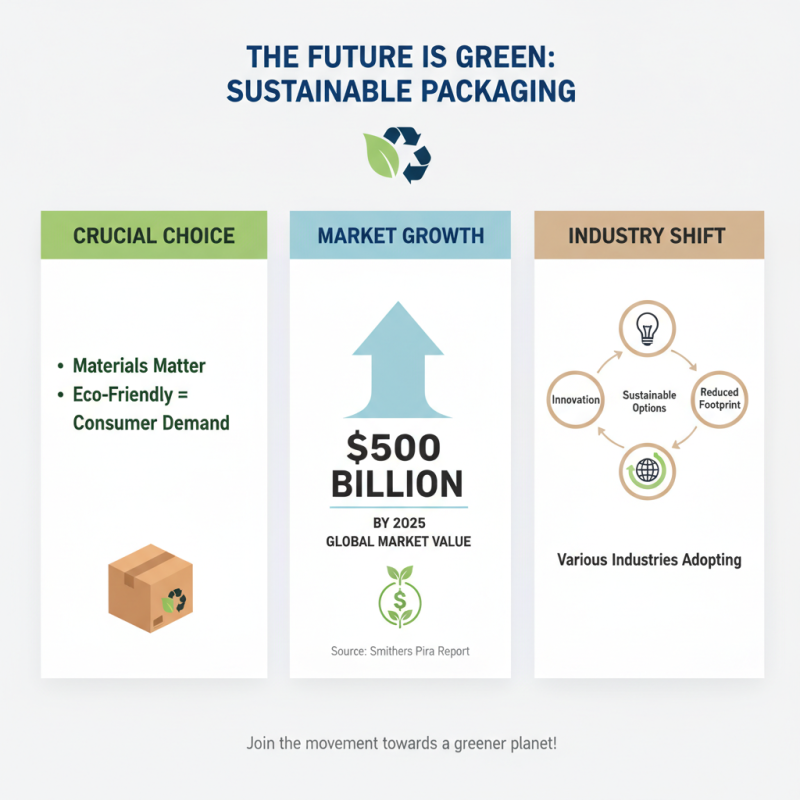
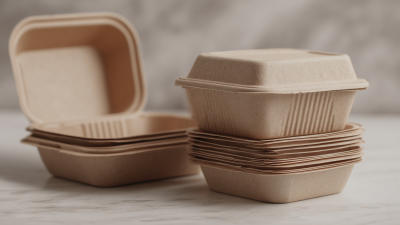
Choosing the right materials for packaging is crucial. Sustainable options are gaining traction in various industries. According to a recent report from Smithers Pira, the sustainable packaging market will reach $500 billion by 2025. This shift reflects consumer demand for eco-friendly solutions.

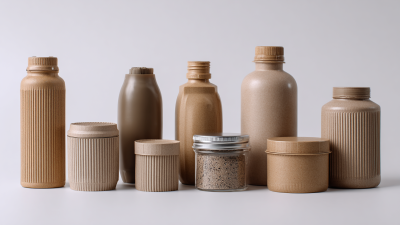
Biodegradable materials, such as PLA (polylactic acid) and recycled paper, are popular choices. They reduce landfill impact significantly. Businesses are increasingly investing in these alternatives, but challenges remain. Not all recycled materials meet the required quality standards. Ensuring durability while being eco-friendly is not easy. Striking a balance between aesthetics and functionality is imperative.

Incorporating multifunctional designs can enhance usability. For example, designs that allow for easy opening or resealing can improve user experience. These innovations also attract environmentally conscious consumers. However, not every attempt at sustainable design is successful. Some products fail to meet customer expectations. Reflecting on failures can be a stepping stone for progress.

Utilizing Colors and Graphics to Enhance Product Visibility

Colors and graphics play a crucial role in product visibility. Bright colors catch the eye. They create an emotional response. For example, red can evoke excitement, while blue suggests trust. Use these associations wisely to connect with your audience. A well-chosen palette can make your product pop off the shelves.

Graphics can also tell a story. They help convey your brand message quickly. Simple, clear images often work best. However, overcrowding with too many elements can confuse potential buyers. Strive for balance. Utilize whitespace to give your product room to breathe. Remember, less is often more in design.

Don’t lose sight of your target market. What appeals to one demographic may not resonate with another. Conducting tests with different designs can provide valuable insights. Monitoring customer reactions can guide your choices. Keep refining your approach based on feedback and change. Sometimes, imperfection in a design invites curiosity and sparks conversation. Embrace this as part of your creative journey.

Incorporating Brand Identity into Packaging for Maximum Impact

Packaging is more than just a protective shell; it reflects a brand's identity. A recent study highlighted that 72% of consumers judge a product by its packaging. This statistic underscores the need for businesses to align their packaging with their brand image. For instance, using color schemes and fonts that represent a brand can create a strong first impression. Think about how green packaging signifies sustainability. This approach resonates with eco-conscious consumers.

However, achieving the right balance is challenging. Packaging that is overly flashy may distract from the product itself. Some designs fail to communicate essential information, which can lead to consumer confusion. Research indicates that 60% of consumers abandon a product due to poor packaging clarity. Striking an effective balance involves testing different designs for improving product visibility while incorporating branding elements.

Moreover, the role of packaging continues to evolve. With e-commerce growth, brands must consider how packaging performs in digital spaces. The online shopping experience often relies on images. Packaging must be visually appealing enough to capture interest in a crowded marketplace. This presents an ongoing challenge for brands to innovate while maintaining their core identity. Keeping a brand's values at the forefront of packaging design is crucial yet not always straightforward.