Packaging Specialists
Packaging | Healthcare | Moulding

How to Ensure Quality in Offset Printing Inspection Process?

In the world of offset printing, quality control is crucial. Thomas Keller, a renowned expert in Offset Printing Inspection, emphasizes, “Quality is not an act, it is a habit.” This mindset is vital when navigating the complexities of the inspection process.

The offset printing industry faces many challenges. Variations in color and consistency can occur, impacting the final product. Ensuring a robust inspection process helps mitigate these risks. Regular checks at different stages can catch issues early. However, achieving perfect results consistently is often more challenging than expected.

Effective Offset Printing Inspection demands both experience and attention to detail. In some cases, even well-trained inspectors may miss subtle defects. Continuous training and adopting advanced technologies are necessary for improvement. A commitment to excellence is vital, but the journey is ongoing and requires constant reflection.
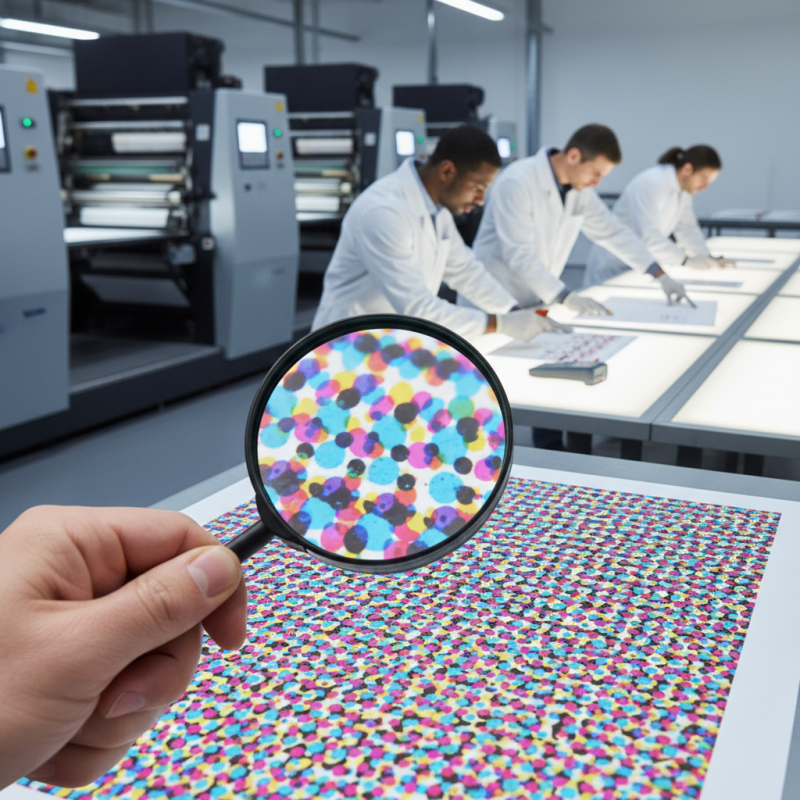
How to Ensure Quality in Offset Printing Inspection Process?

Understanding Offset Printing: Key Quality Indicators and Metrics

Offset printing stands as a cornerstone in modern manufacturing. Its success hinges on specific quality indicators and metrics. Key performance indicators (KPIs) guide the inspection process, helping ensure that printed materials meet required standards. Industry reports indicate that up to 30% of print jobs fail due to quality issues, which highlights the importance of stringent monitoring.

Color accuracy is a primary metric. In offset printing, deviations can lead to significant brand inconsistency. According to a study by the Printing Industries of America, color discrepancies account for 25% of all print defects. Regular calibration of printing equipment can mitigate this risk. However, many operations skip this crucial step, often leading to costly reprints.

Another vital indicator is registration accuracy. Misalignments can affect the overall integrity of printed pieces. Research shows that 15% of production losses stem from poor registration efforts. Inspecting registration at multiple stages of production can enhance reliability. Yet, some facilities still overlook this, resulting in wasted materials and resources. Balancing efficiency with thorough inspections remains a challenging yet essential aspect of offset printing.

How to Ensure Quality in Offset Printing Inspection Process?

Quality Indicator Metric Target Value Actual Value Comments
Color Consistency Delta E < 2.0 1.8 Within target range
Print Density Density Measurement 1.60 - 1.80 1.65 Optimal density achieved
Registration Misalignment Measurement < 1mm 0.5mm Excellent registration
Dot Gain Percentage Increase % < 20% 18% Within acceptable range
Ink Weight Weight Measurement 40 - 60 gsm 50 gsm Ideal ink weight

Implementing Effective Pre-Press Quality Checks and Approvals

In offset printing, pre-press quality checks and approvals are crucial. These initial steps can significantly impact the final product. According to a recent industry report, errors in pre-press processes account for over 30% of printing defects. This highlights the need for meticulous attention to detail at this stage.

Implementing effective quality checks begins with thorough pre-flight assessments. This involves checking files for color accuracy, resolution, and font embedding. By addressing these potential issues before printing, companies can reduce wastage and improve overall efficiency. It’s essential to create a checklist for your pre-press team. This checklist can serve as a reliable guide, ensuring that nothing is overlooked.

Tip: Invest in modular training for your team. Regular workshops can enhance their skills in identifying common pre-press issues. Emphasizing continuous learning strengthens the overall quality control process.

Another essential step is getting approvals from all stakeholders. Designers, clients, and printers should be aligned on expectations. Miscommunication can lead to costly reprints. A collaborative document review process can foster better understanding and minimize errors. Monitor approval timelines to prevent bottlenecks.

Tip: Set clear deadlines for feedback to streamline the approval workflow. An efficient approval system boosts confidence in the final product and decreases unnecessary delays.

Ultimately, taking these proactive measures reduces the potential for errors, ensuring a higher quality in offset printing outcomes.

Overview of In-Process Inspection Techniques for Offset Printing

In the world of offset printing, ensuring quality during the inspection process is crucial. In-process inspection techniques play a pivotal role in identifying defects early, thus minimizing waste and ensuring client satisfaction. One effective method is visual inspection. Operators can catch obvious issues like color misalignment or ink smudges at a glance. This real-time feedback loop allows for quick adjustments.

Another useful technique is the measurement of densitometry. Using instruments to measure ink density on printed sheets helps maintain consistency. This process highlights variations in color saturation. However, it can be challenging. Operators may misread data or overlook subtle differences. Regular training is essential to mitigate such risks.

Automated inspections are gaining traction as well. Employing cameras and software to analyze printed materials offers precision. Yet, these systems require regular calibration. If neglected, results may be inaccurate. There’s also a reliance on technology that can lead to oversights. Balancing human judgment and automated systems is vital for achieving the best outcomes.

Utilizing Advanced Technology for Post-Print Quality Assurance

In the offset printing industry, ensuring post-print quality assurance is vital. Advanced technology can enhance the inspection process, improving output accuracy. Digital inspection systems can help identify defects early. They provide real-time feedback, which is crucial for maintaining quality standards.

Tips: Invest in high-quality imaging systems. Automatic defect detection can significantly reduce human error. Utilize advanced color management software to ensure consistent results. This technology can catch anomalies that might otherwise go unnoticed.

However, many companies struggle with implementing these technologies effectively. Training staff to utilize advanced tools can be challenging. Not every machine integrates seamlessly into existing workflows. Regular equipment maintenance is necessary but often overlooked. These factors can hinder efficiency and quality.

Tips: Conduct regular training sessions for your team. An informed staff can maximize technology's benefits. Regularly review your integration processes to identify potential bottlenecks. Adjustments may be needed to align new technology with established practices.

Training and Standards: Ensuring Consistent Quality in Printing Teams

Training and establishing standards within printing teams is critical for achieving consistent quality in offset printing. Industry reports indicate that 80% of printing defects stem from human error. Proper training mitigates these issues. Engaging employees through hands-on workshops and real-time feedback promotes a culture of quality.

Moreover, implementing standardized procedures fosters accountability. Research shows that companies with clear quality guidelines see a 25% improvement in production efficiency. Utilizing checklists and visual aids can further assist employees, ensuring they meet quality metrics. Regularly revisiting these standards allows teams to adapt to new technologies and market demands.

However, not all training programs yield effective results. Some employees may struggle to grasp concepts or apply them. It's essential to evaluate training outcomes frequently. Feedback loops can identify gaps. This reflective approach enhances skill development, leading to better overall quality in printing processes. Continuous learning and self-assessment are vital for progress.