Packaging Specialists
Packaging | Healthcare | Moulding

How to Perform Effective Print Inspection for Quality Control?

Effective quality control is crucial in print production. This process ensures that printed materials meet specific standards. Print Inspection plays a pivotal role in this aspect. It involves examining printed items for errors, color discrepancies, and defects. A careful inspection can prevent costly reprints.

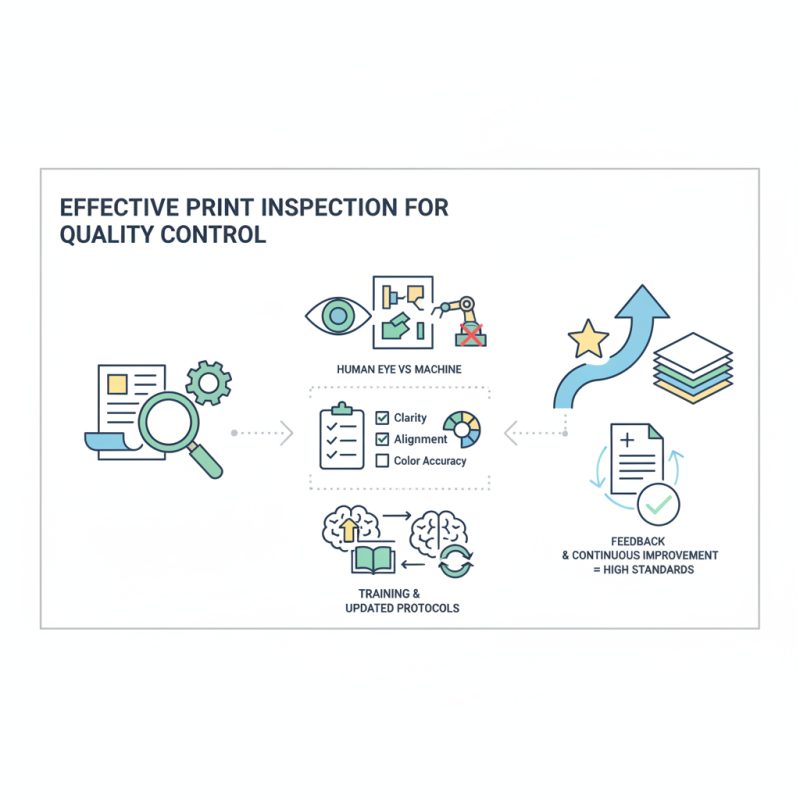
During Print Inspection, attention to detail is key. Inspectors check for clarity, alignment, and color accuracy. Machines may miss subtle flaws. Human eyes catch what technology overlooks. This combination enhances the overall quality of the product. However, variations in equipment can lead to inconsistencies. It's important to rethink the inspection processes regularly.

Sometimes, the routine of Print Inspection may lead to complacency. Personnel might overlook minor issues thinking that everything is fine. Continuous training and updated protocols are vital to maintaining high standards. An effective inspection routine should adapt based on feedback and findings. This flexibility will significantly improve quality control in printing.
How to Perform Effective Print Inspection for Quality Control?

Understanding Print Inspection and Its Importance in Quality Control

Print inspection is a crucial aspect of quality control. It involves checking printed materials for flaws. These flaws could be color inconsistencies, misalignment, or missing elements. Each detail can significantly impact the final product. If errors go unnoticed, they can affect customer satisfaction. Customers expect high standards. Therefore, effective print inspection is vital.

Understanding how to inspect prints can improve quality. Set clear criteria for what constitutes a flaw. This could vary depending on the project. A well-defined inspection process allows for more accurate evaluations. However, achieving consistency can be challenging. Human error is always a factor. Sometimes, inspectors miss minor details due to fatigue or lack of focus. Regular training can help, but it is not foolproof.

Utilizing technology can enhance print inspection. Automated systems can catch errors that humans might overlook. They provide a level of precision that is hard to match. Yet, technology is not infallible either. There can be false positives or negatives. Balancing human expertise and technology is key. The goal is to create a robust quality control system that minimizes errors and meets customer expectations consistently.

Key Techniques for Conducting Effective Print Inspection

Effective print inspection is crucial for maintaining product quality. By implementing specific techniques, you can identify issues before they impact your overall output. Key methods include visual checks, automated inspections, and sample testing.

During visual inspections, look closely at colors and alignment. Small discrepancies may go unnoticed but can lead to significant quality issues. It’s best to have multiple sets of eyes review the prints. Don’t rely solely on technology; human judgment is invaluable.

Tips: Create a checklist for inspectors. Include parameters like color accuracy and print clarity. Regular training can help staff recognize common faults. Automated systems should complement, not replace, manual checks. Use them to spot trends in defects.

Sample testing helps ensure consistency. Regularly take samples from different batches. This approach highlights potential problems early. You may discover certain materials perform better than others. Reflect on your findings to adapt and improve.

How to Perform Effective Print Inspection for Quality Control? - Key Techniques for Conducting Effective Print Inspection

Inspection Technique Description Frequency Tools Required
Visual Inspection Manual check for obvious defects like misprints and color consistency. Every print batch Light box
Color Calibration Ensuring colors are printed accurately according to specifications. Daily Colorimeter
Print Density Measurement Checking ink density to ensure quality and adherence to standards. Every 1000 prints Densitometer
Dot Gain Testing Evaluating how much a printed dot spreads during printing. Weekly Measurement tool
Print Sample Review Review of printed samples for quality assurance before production. Per lot Sample collection tools

Common Defects to Identify During Print Inspections

When performing print inspections, recognizing common defects is crucial. One frequent issue is misalignment. This occurs when printed images and text are not properly aligned on the page. It can lead to a skewed look that detracts from overall quality. Inspectors should examine the edges carefully to catch these errors early on.

Another prevalent defect is color inconsistency. Variations in color can stem from different inks or printing techniques. It's essential to have a color reference guide when checking these prints. Comparing physical prints to digital proofs can help identify discrepancies. Fluorescent lights can distort colors, so inspecting prints under natural lighting is beneficial.

Tips: Always train staff to identify these defects. Use magnifying glasses to spot finer details. Create a checklist to ensure no defect gets overlooked. Regular quality checks can help maintain high standards and reduce defects in the long run. Effective communication with your team is vital to bolster inspection accuracy.

Essential Tools and Equipment for Print Quality Evaluation

When it comes to print quality evaluation, having the right tools and equipment is crucial. A colorimeter helps measure color accuracy. It can identify discrepancies in color shades. A densitometer is another important tool. It measures the density of printed colors. Both instruments allow for precise monitoring.

In addition, utilizing a light box is essential for inspecting print materials. This ensures consistent lighting while reviewing prints. A loupe or magnifying glass can reveal details that are not immediately visible. Inspecting for dot patterns is vital. Small inconsistencies can lead to larger issues.

Tips: Regularly calibrate your equipment. Calibration ensures accuracy over time. Keep a checklist of common print defects handy. This helps in identifying recurring issues swiftly. Finally, document your findings. This documentation fosters improvement and helps track progress in print quality.

Print Quality Evaluation Metrics

This chart illustrates the various metrics used to evaluate print quality. Each metric is expressed as a percentage, indicating the effectiveness of the printing process in terms of color accuracy, resolution, consistency, surface quality, and drying time.

Establishing a Consistent Print Inspection Process for Optimal Results

Establishing a consistent print inspection process is vital for maintaining quality in printing operations. According to a report by the Quality Assurance Agency, up to 30% of printed materials may contain defects if not properly inspected. Regular inspections can significantly reduce this number. Implementing a checklist during the inspection phase can help identify common issues such as color discrepancies, misalignment, and ink smudges.

Incorporating both visual and automated inspections is key. While visual checks by trained personnel are crucial, automation can enhance efficiency. A study from the Society for Printing Technologies indicates that automated systems can detect defects up to 20% faster than manual inspections. However, over-reliance on technology can lead to oversight. Human inspectors may catch nuances that machines overlook, highlighting the need for a balanced approach.

Documentation plays a significant role in ensuring accountability. Keeping records of inspection results allows teams to identify recurring problems. This enables a responsive approach to quality control. Regular training sessions for staff can also improve their ability to spot defects early. Quality control is a continuous process, requiring constant reflection and adjustment to methods and techniques employed. This proactive stance can help mitigate future printing issues effectively.