Eco Friendly Pharmaceutical Packaging has gained importance as industries pivot towards sustainability. During the 139th Canton Fair, scheduled for April 2026, this topic will be front and center. The global packaging market is projected to reach $500 billion by 2024, with eco-friendly options accounting for a significant share. This reflects growing consumer demand for greener practices in pharmaceuticals.
Pharmaceutical packaging often relies on materials that are not biodegradable. This poses a severe threat to our environment. Eco Friendly Pharmaceutical Packaging can reduce waste and promote responsible disposal practices. Reports suggest that switching to sustainable materials could cut packaging waste by 30%, a number worth considering as companies strive to meet environmental targets.
However, many companies still lag in adopting these practices. There are challenges, such as higher initial costs and limited material options. Yet, the long-term benefits of Eco Friendly Pharmaceutical Packaging outweigh these issues. Overall, the shift to sustainable packaging represents a crucial step for the industry at the Canton Fair and beyond.
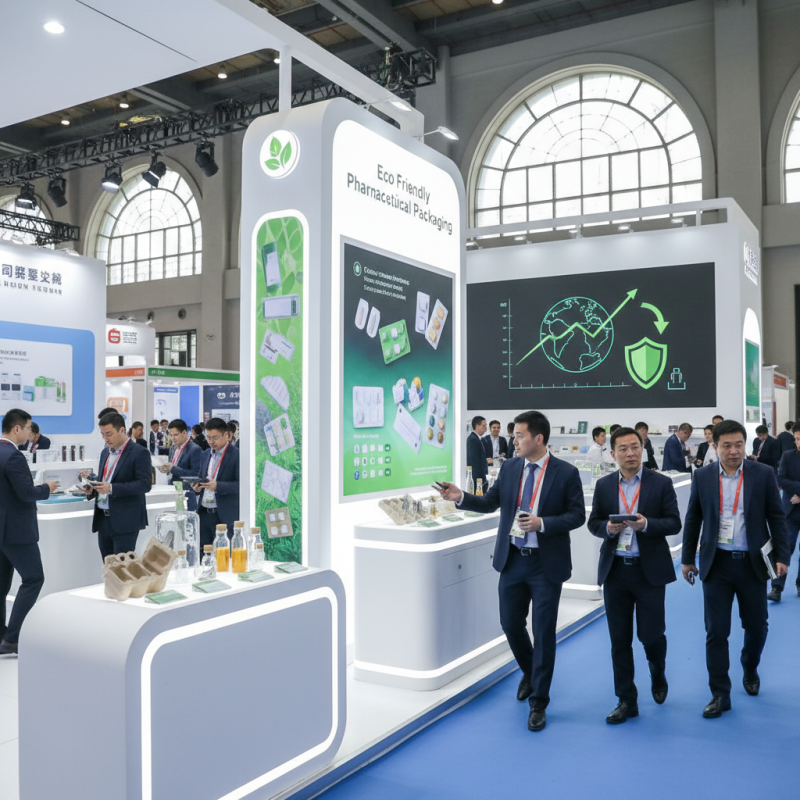
The importance of eco-friendly packaging in pharmaceuticals cannot be overstated. With the rising awareness of environmental issues, the pharmaceutical industry is under pressure to adapt. Traditional packaging often contributes significantly to waste. This has led many companies to explore sustainable options. Biodegradable materials and recyclable designs are becoming popular alternatives.
At the Canton Fair, the spotlight is on innovative packaging solutions. Many exhibitors showcase eco-friendly options that reduce environmental impact. However, the transition is not without challenges. Costs can be higher, and regulatory hurdles can slow progress. Companies must weigh these factors carefully. It's vital to find a balance between sustainability and affordability.
Moreover, consumer demand for greener products is growing. Patients are increasingly conscientious about their choices. They seek medications in packaging that reflects their values. This shift can drive change across the industry. Yet, some companies may still lag behind, hesitant to invest. They risk losing relevance in a market moving toward sustainability. The road ahead will require reflection and commitment to the future.
Pharmaceutical industries significantly impact our environment. Packaging generates substantial waste during production, use, and disposal. A recent report states that healthcare contributes to over 4% of global carbon emissions. This figure is alarming. It highlights an urgent need for sustainable practices.
Plastic packaging is especially problematic. It can take hundreds of years to decompose. Many pharmaceutical companies still rely heavily on non-recyclable materials. In fact, about 30% of pharmaceutical packaging ends up in landfills. This not only pollutes the environment but also threatens wildlife. The rising concern for eco-friendly packaging is evident, yet many organizations lag behind in making changes.
Innovative alternatives exist, but adoption rates are slow. Companies must invest in biodegradable materials. Research shows that 70% of consumers prefer brands with eco-friendly packaging. This shift could drive change within the industry. However, resistance to change still exists. Budgets often prioritize short-term savings over long-term sustainability. The road to a greener future is still fraught with challenges. Every phase of pharmaceutical packaging needs careful re-evaluation and action.
Eco-friendly packaging is becoming increasingly important, especially in the pharmaceutical industry. Traditional packaging contributes to environmental pollution. Innovations in eco-friendly solutions aim to reduce waste and enhance sustainability. Many companies are now exploring biodegradable materials. These alternatives can break down naturally over time. They lessen the burden on landfills and ecosystems.
Canton Fair 139 showcases various packaging innovations. Manufacturers display new designs that prioritize environmental impact. One notable trend is using plant-based plastics. These materials are not harmful to marine life. Yet, challenges remain. Some biodegradable options may not degrade effectively in all environments. This issue highlights the need for improvement.
Moreover, not every eco-friendly solution is cost-effective. Companies often face financial limitations when investing in sustainable materials. Balancing eco-friendliness and affordability is vital. Attendees at the fair can learn from these developments. They can observe which innovations are practical. Advancements in eco-friendly packaging solutions can make an impact in the pharmaceutical sector. However, ongoing efforts and reflection are necessary to meet the industry’s sustainability goals.
This chart illustrates the percentage of pharmaceutical companies adopting different eco-friendly packaging solutions, emphasizing the importance of sustainability in the industry.
The increasing emphasis on sustainable practices is reshaping the pharmaceutical packaging landscape. Regulatory bodies worldwide are pushing for greener solutions. Reports show that by 2025, 75% of global consumers will change their behavior to be more eco-friendly. This trend is crucial for businesses attending events like Canton Fair 139.
New regulations encourage companies to adopt eco-friendly materials. Bio-based plastics, recycled content, and minimal packaging are making waves. A recent study noted that switching to sustainable packaging can reduce carbon footprints by up to 30%. However, some companies still resist these changes due to higher initial costs. This reluctance can lead to missed opportunities in sustainability marketing.
**Tip:** Start small. Test eco-friendly options in limited markets before a full rollout. Understand your customers' preferences. Engaging with consumers on sustainability can strengthen brand loyalty.
Another detail to consider is supply chain transparency. Many customers demand to know where their products come from. Transparency builds trust and encourages sustainable practices. Yet, over 40% of manufacturers report challenges in sourcing verified sustainable materials. Companies should establish clearer standards for material sourcing.
**Tip:** Collaborate with suppliers who prioritize sustainability. A strong partnership can lead to more efficient packaging solutions. Regularly review and adapt your practices to meet evolving regulatory standards.
| Dimension | Data |
|---|---|
| Percentage of Eco-Friendly Packaging Used | 65% |
| Consumer Preference for Sustainable Packaging | 75% |
| Regulatory Changes Supporting Eco Packaging | 3 Major Regulations in 2023 |
| Average Cost Increase for Eco Packaging | 15% |
| Reduction in Carbon Footprint | 30% Reduction |
| Market Growth Rate for Sustainable Packaging | 20% CAGR Expected |
Canton Fair 139 serves as a vital platform for showcasing eco-friendly pharmaceutical innovations. The global pharmaceutical packaging market is projected to reach $373 billion by 2026, with sustainable options gaining traction. This fair highlights the need for greener practices in an industry often criticized for waste.
During the event, many attendees will explore biodegradable materials and recyclable solutions. These innovations address a growing concern: the environmental impact of traditional packaging. In fact, studies show that eco-friendly packaging can reduce carbon emissions by up to 30%. Participating companies are pushing boundaries to create sustainable alternatives, ensuring the industry adapts to changing consumer preferences.