What is an Ear Tag and How Does It Benefit Livestock Management?
In the realm of livestock management, the Ear Tag plays a crucial role. Research indicates that nearly 85% of livestock producers utilize ear tags for identification and tracking. These small yet significant devices provide essential data about an animal's health, lineage, and behavior.
With accurate identification, farmers can enhance their herd management strategies. This leads to more informed decisions regarding breeding, feeding, and healthcare. A report from the USDA highlights that farms using ear tags show a 30% improvement in tracking livestock health issues. However, the widespread adoption of ear tags can bring challenges. Some producers may struggle with tag readability or animal stress during tagging.
Understanding the benefits and drawbacks of ear tags is vital for effective livestock management. This knowledge can empower farmers to make reliable decisions that enhance productivity and animal welfare. The journey of incorporating ear tags into everyday farming practices is ongoing, with room for improvement and adaptation.
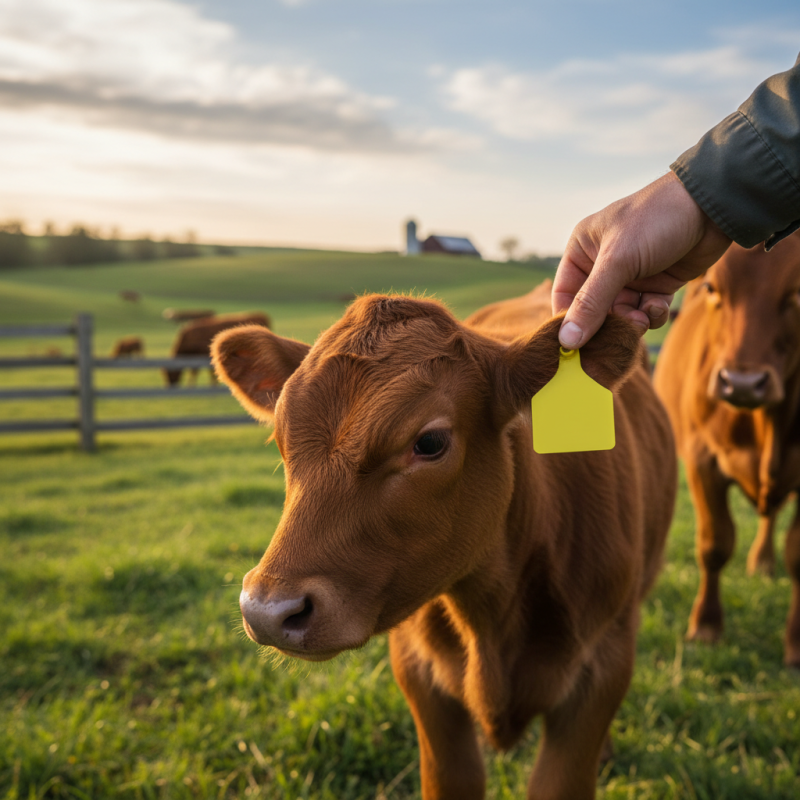
Understanding Ear Tags: Definition and Types Used in Livestock
Ear tags are vital tools in livestock management, offering a simple yet effective way to identify and track animals. They are small, durable tags attached to an animal's ear, each with a unique identification number. These tags can be made from various materials, including plastic and metal, depending on the environment and the species of livestock. The use of ear tags has been reported to improve the efficiency of livestock handling and tracking by approximately 30%, according to industry studies.
There are several types of ear tags available, including visual identification tags, RFID tags, and electronic tags. Visual tags are often brightly colored and display alphanumeric codes. RFID tags allow for electronic scanning, enabling quicker data collection and enhanced traceability. According to the American Farm Bureau Federation, around 78% of livestock producers now utilize some form of electronic identification. This trend reflects a growing emphasis on data-driven decisions in livestock management.
While ear tags have notable benefits, they are not without challenges. Some animals may remove or damage their tags, leading to missed identification. Additionally, tags can sometimes cause skin irritation. Thus, it's essential for farmers to monitor tagged animals closely and consider alternative identification methods when necessary. The evolving technology surrounding ear tags offers promising advancements, but continuous adaptation and evaluation will be crucial for effective livestock management.
The Importance of Ear Tags in Livestock Identification and Tracking
Ear tags play a crucial role in livestock management by providing an efficient means of identification. These small, plastic tags are usually attached to the ear of an animal. Each tag bears a unique number, which makes tracking individual livestock much simpler. This is especially important for farmers with large herds, where visual identification can be challenging.
Tracking livestock through ear tags enhances biosecurity. Should an animal show signs of disease, immediate identification allows for prompt action. This way, farmers can isolate affected animals quickly, minimizing the risk of spreading illness. Furthermore, ear tags can provide data for breeding records and health management, leading to improved herd quality over time.
However, the effectiveness of ear tags isn't guaranteed. Tags can become lost or damaged, leading to potential identification gaps. Additionally, some animals may resist wearing tags, causing stress. Continuous observation and adjustments may be necessary to ensure that ear tags serve their intended purpose effectively. Finding the right balance between animal welfare and efficient management remains an ongoing challenge for many livestock producers.
Data Accuracy: How Ear Tags Improve Management Decisions in Farming
Ear tags are small, plastic or metal identification devices attached to livestock. They serve a critical role in data collection and management. Each tag carries unique information about the animal, such as its age, health history, and breeding data. This specific data helps farmers track important metrics efficiently.
Accurate data leads to informed decisions. With ear tags, farmers can monitor growth rates and detect health issues early. This real-time information can influence feed management and breeding programs. However, the implementation process can be flawed. Tags can fall off, and data entry may be inconsistent. These issues can lead to incomplete records and mismanagement.
Farmers need to regularly evaluate their tagging process. How often are tags replaced? Is the data being updated accurately? Reflection on these areas can improve accuracy and management decisions. By adjusting their approach, farmers can better utilize ear tags for improved livestock care.
Industry Statistics: The Impact of Ear Tags on Livestock Health and Productivity
Ear tags have become essential tools in livestock management. According to the USDA, over 90% of cattle breeders now use ear tags for record-keeping. This statistic highlights the importance of efficient animal tracking in the industry. Ear tags allow farmers to monitor individual animal health and behavior, thereby making informed decisions.
Recent studies indicate that farms using ear tags report a 20% increase in livestock productivity. This increase is often attributed to improved disease management. Farmers can quickly identify and isolate sick animals, preventing disease spread. Furthermore, the National Animal Health Monitoring System noted a 15% decrease in livestock mortality rates among farms utilizing ear tags effectively.
However, issues like tag loss still persist. Estimates show up to 10% of tags can fall off during handling. This can create gaps in data collection and animal mapping. Additionally, some farmers may face challenges with properly training staff on tag usage. These factors should be considered for optimal yield. Data shows that with proper implementation, ear tags can significantly enhance herd management.
What is an Ear Tag and How Does It Benefit Livestock Management?
| Aspect | Statistics | Benefits |
| Usage Rate | 85% of farms use ear tags | Improved identification and tracking |
| Health Monitoring | 30% increase in health checks | Early detection of health issues |
| Record Keeping | 60% reduction in manual errors | Streamlined data management |
| Productivity Increase | 15% boost in overall productivity | Enhanced tracking of performance |
| Cost Efficiency | 25% reduction in losses over 5 years | Decreased risk of mismanagement |
Future Trends: Innovations in Ear Tag Technology for Improved Management
Ear tags have revolutionized livestock management by enhancing tracking and data collection methods. As technology evolves, innovations in ear tag designs promise improved capabilities. These advancements include RFID technology, GPS tracking, and real-time monitoring. Such features enable farmers to manage their livestock more effectively while ensuring animal welfare.
Tips: Choose ear tags compatible with your management system. Regularly assess the visibility and comfort of the tags on livestock. Consider environmental factors, like weather, which may affect tag performance.
One emerging trend is the integration of artificial intelligence in ear tag technology. AI can help optimize feeding schedules and health monitoring. This leads to better growth rates and disease prevention. However, not all farms may benefit equally from these technologies. Some may struggle with costs or lack of infrastructure.
Tips: Focus on training staff for tech adoption. Evaluate whether your farm meets the requirements for advanced systems. Continuously review your management practices to adapt to technological changes.
Benefits of Ear Tags in Livestock Management
This chart illustrates the percentage of livestock managers who find specific benefits in using ear tags for management. The data reflects improvements in various aspects of livestock monitoring and management efficiency.
