Clamshell containers are a versatile packaging solution used in various industries. Their design features two hinged halves that securely enclose a product. This structure makes them ideal for displaying items while providing protection. Clamshell containers can be made from plastic, often clear, allowing customers to see the product inside.
One significant benefit of clamshell containers is their ability to protect fragile items. They are commonly used for packaging electronics, food, and even smaller household goods. However, it is essential to reflect on the environmental impact. Many clamshell containers are made from non-biodegradable materials. Choosing sustainable alternatives is crucial to reducing waste.
Despite their advantages, clamshell containers can be imperfect. Some users find them difficult to open, leading to frustration. Additionally, the cost of production may be higher than other packaging types. Businesses must weigh these factors when deciding to use clamshell containers. Overall, they are a popular choice, but their drawbacks warrant careful consideration.
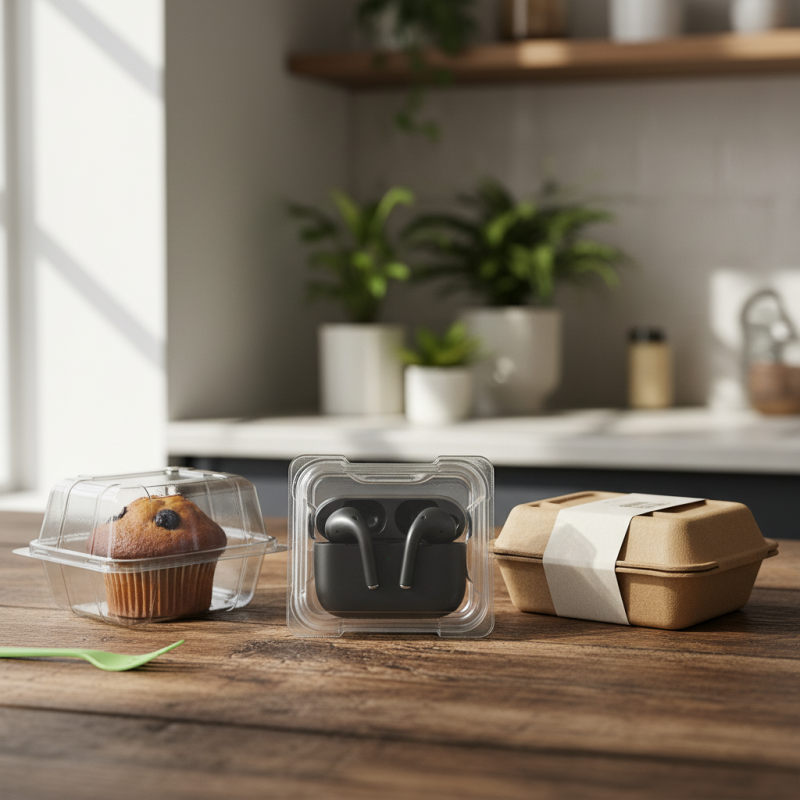
Clamshell containers are versatile packaging solutions. They are typically made from clear plastic. This allows consumers to see the product inside. These containers have two hinged halves that close securely. They easily open and close, making them user-friendly.
These containers are widely used for food items, electronics, and crafts. Fresh berries and salads often find their home in clamshells. The see-through design highlights the freshness of produce. However, some might argue that the plastic environment concerns are significant.
Clamshell containers also require careful handling to avoid spilling. They can be clumsy and bulky. A bustling market, with clamshells stacked high, can seem chaotic. Moreover, the waste generated from plastic packaging begs for attention. It prompts a need for reflection on sustainable practices.
Clamshell containers are popular in packaging due to their many features. They are typically made from clear plastic, allowing visibility of the product inside. This feature helps consumers make informed choices at first glance. Additionally, clamshells offer excellent protection. They shield products from dust, moisture, and damage during transport.
One striking aspect is their versatility. These containers are used for food, electronics, and even delicate items. Users appreciate their ability to keep contents secure while remaining easily accessible. However, some may find them challenging to open, which can lead to frustration.
Tips: Ensure the size of the clamshell matches your product. Poor sizing can result in excess movement or product damage.
Consider using environmentally friendly materials for sustainability. This choice can enhance your brand image while reducing waste.
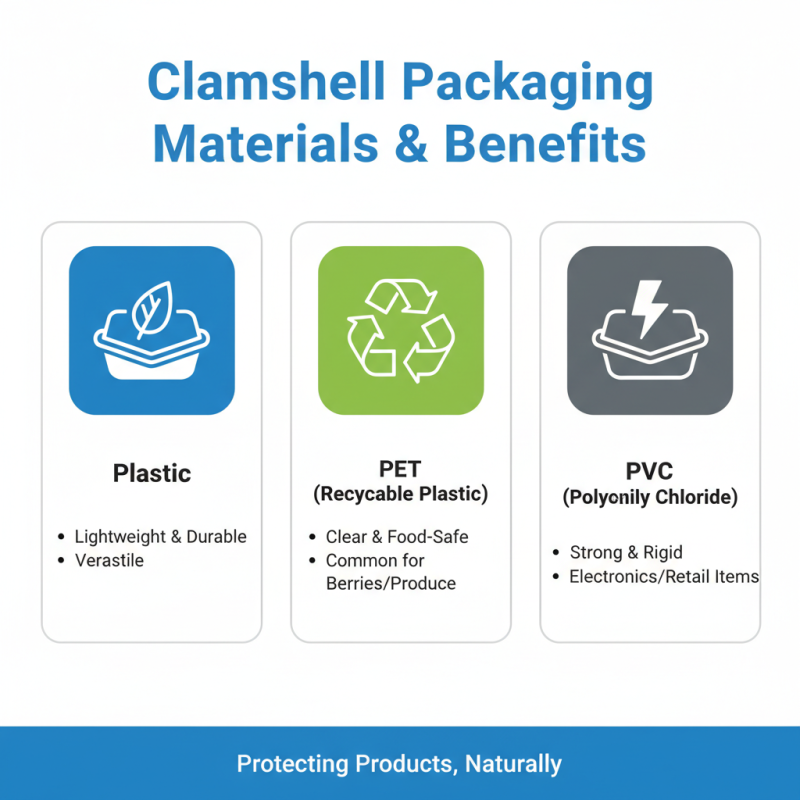
Clamshell containers are popular in packaging. They are often made from various materials, each offering unique benefits. Common materials include plastic, PET, and PVC. Plastic clamshells are lightweight and durable. They provide good protection for delicate items like berries or electronics.
PET, or polyethylene terephthalate, is a common choice. It's recyclable and safe for food contact. Many consumers appreciate its clarity, allowing them to see the product inside. PVC, while less common, is sometimes used for non-food items. It is strong but can create environmental concerns.
When choosing clamshell packaging, consider the product type. Some materials perform better in specific conditions. For example, food requires high cleanliness standards. It's essential to balance protection, visibility, and eco-friendliness.
Tips: Always check recyclability options when selecting materials. Experimenting with different clamshell designs can enhance user experience. Remember that not all materials are equally eco-friendly. Strive for sustainable choices in your packaging.
Clamshell containers are versatile packaging solutions found across various industries. These containers are typically made from clear plastic, allowing visibility of the product inside. They can be easily opened and resealed, making them convenient for both packaging and storage. Retailers often use clamshells to showcase items such as electronics, food, and cosmetics.
In the food industry, clamshells provide a safe environment for salads, fruits, and baked goods. They help preserve freshness while allowing customers to see the product. However, some clamshells are not eco-friendly. The dependence on single-use plastic contributes to environmental concerns. Companies face pressure to find sustainable alternatives.
Tips: Consider the end-of-life for your packaging. Look for recyclable options that suit your products. Educate customers on disposal methods. In cosmetics, clamshells are favored for their airtight features. They protect delicate items from damage and contamination. But the tight seal can make it hard for customers to open them. Address this by designing easier-to-open packaging.
Ultimately, the utility of clamshell containers spans multiple industries. Their design is functional, but it might not always be perfect. Reflect on how to balance convenience, aesthetics, and sustainability in your packaging choices.
| Industry | Application | Material Used | Advantages |
|---|---|---|---|
| Food & Beverage | Packaging for fruits, salads, and deli items | PET, PVC | Clear visibility, tamper-evident |
| Electronics | Displays for small electronic components | HIPS, PET | Protection from dust, suitable for retail display |
| Cosmetics | Packaging for beauty products | PET, PP | Aesthetic appeal, easy to open |
| Pharmaceuticals | Blister packs for pills and tablets | PVC, PVDC | Barrier protection, compliance with safety standards |
| Household Goods | Storage and display for kitchen items | Polypropylene | Durability, ease of cleaning |
Clamshell packaging is increasingly popular, especially in retail and food industries. This type of container has both advantages and disadvantages. On one hand, it offers excellent product visibility. According to a 2022 report by Smithers Pira, transparent packaging can boost sales by up to 15%. Consumers can easily see the product, which can enhance their purchasing decision. The packaging also provides protection against damage.
However, clamshells are not without their downsides. They can be expensive compared to traditional packaging options. The cost to produce clamshell containers is higher, making it less favorable for budget-conscious businesses. Additionally, a significant amount of waste is generated from clamshell packaging. A study from the Environmental Protection Agency (EPA) noted that plastic packaging accounts for over 30% of waste in landfills. This presents an ethical dilemma for companies striving to be environmentally responsible.
The ability to recycle clamshell containers varies greatly. Some materials can be recycled, while others cannot. This inconsistency can confuse consumers. It often leads to improper disposal practices. Packaging should aim to be user-friendly, yet clamshells sometimes fall short. These factors necessitate ongoing reflection on the sustainability of such packaging solutions.