How to Choose the Best Packaging Solutions for Your Business Needs?
Choosing the right packaging solutions is crucial for any business. An expert in the industry, Sarah Johnson, once stated, "The right packaging can make or break your product’s success." This emphasizes the importance of thoughtful consideration in selecting packaging.
Effective packaging solutions not only protect your product but also enhance its appeal. Various factors influence this choice, including cost, material, and sustainability. For instance, eco-friendly materials can attract environmentally conscious consumers. Additionally, unique designs can differentiate products on crowded shelves.
However, navigating the packaging landscape can be complex. Many businesses dive in without proper research. They might choose the cheapest options but fail to consider performance. Reflecting on past choices can reveal missed opportunities for growth. Ultimately, investing time in selecting the best solutions is essential for long-term success.

Understanding Your Business Packaging Requirements
Understanding your business packaging requirements is crucial. Packaging affects how your product is perceived and its overall success. According to a recent report, 72% of consumers say packaging influences their purchasing decisions. Therefore, it is essential to assess your target market carefully. What are their expectations? What materials do they prefer?
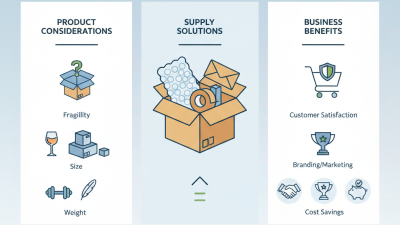
Evaluate the physical aspects of your product. Is it fragile? Heavy? These factors determine the type of packaging you’ll need. Flexible packaging may suit soft goods, while rigid containers work better for fragile items.
The shipping process is another critical element. Almost 25% of products are returned due to inadequate packaging. Poorly designed packaging can lead to damage, dissatisfaction, and loss of revenue.
Sustainability remains a hot topic. Many consumers now prefer eco-friendly options. A study shows that 54% of shoppers would pay more for sustainable packaging. However, balancing sustainability with functionality can be challenging. Some businesses struggle to find materials that meet both criteria. This can lead to compromises that may not serve your brand's image. A thorough analysis of your packaging needs can inform better decisions and enhance your product's marketability.
Evaluating Different Types of Packaging Materials
When evaluating packaging materials, it’s crucial to consider both functionality and sustainability. According to industry reports, flexible packaging is projected to grow at a compound annual growth rate (CAGR) of over 4% between 2021 and 2026. This trend highlights the increasing preference for lightweight and versatile materials. However, many businesses overlook the environmental impact of these choices. Rigid plastics, while durable, contribute to a significant amount of landfill waste.
It’s important to assess the packaging's ability to protect products. For instance, glass packaging offers excellent product preservation. Yet, it comes with a considerable weight disadvantage. In contrast, biodegradable materials are gaining traction. They can decompose in a short period. However, their long-term viability in performance is still a grey area needing more research. A report indicated that 53% of consumers express concern about packaging waste, compelling companies to reflect on their choices.
Lastly, sourcing locally can reduce shipping costs and carbon emissions. Yet, the challenge lies in balancing quality and proximity. Finding a supplier who meets all criteria is often difficult. Decisions on packaging materials are not just about aesthetics; they carry functional implications that affect brand reputation and customer satisfaction.
How to Choose the Best Packaging Solutions for Your Business Needs? - Evaluating Different Types of Packaging Materials
| Packaging Type |
Material |
Sustainability |
Cost Efficiency |
Best For |
| Box |
Cardboard |
Highly Sustainable |
Moderate Cost |
E-commerce, retail products |
| Pouch |
Plastic |
Low Sustainability |
Low Cost |
Snacks, pet food |
| Bottle |
Glass |
Moderately Sustainable |
High Cost |
Beverages, cosmetics |
| Wrap |
Paper |
Highly Sustainable |
Low Cost |
Gifts, food |
| Container |
Metal |
Moderately Sustainable |
High Cost |
Food, beverages |
Analyzing Cost-Effectiveness of Packaging Solutions
When considering packaging solutions, cost-effectiveness plays a crucial role. Businesses often overlook the long-term savings associated with different materials. Cheaper options may seem appealing initially. However, they can lead to higher shipping costs and damaged products. Protecting items during transport is necessary. A well-chosen package minimizes returns and enhances customer satisfaction.
Analyzing the total cost involves more than just material expenses. Think about storage needs, durability, and environmental impact. Sustainable options may have a higher upfront price. Yet, they can attract eco-conscious consumers and boost brand loyalty. Many companies fail to realize the hidden expenses of poor packaging choices. Time spent on handling returns due to damaged goods can add up quickly.
Ultimately, it's vital to weigh all factors. Look beyond the immediate cost. Consider the overall value that a packaging solution brings to your business. Balancing cost, functionality, and sustainability is an ongoing challenge. Reflecting on past decisions can provide insights for future strategies.
Assessing Environmental Impact of Packaging Choices
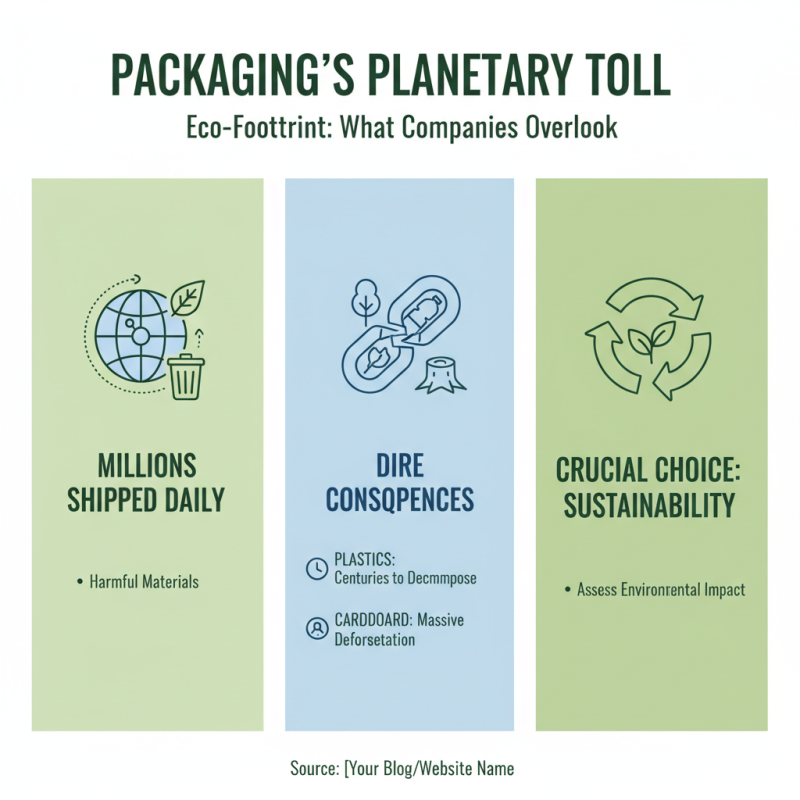
When choosing packaging solutions, assessing environmental impact is crucial. Companies often overlook the ecological footprint of their choices. Every day, millions of products are shipped in materials that harm our planet. From plastic that takes centuries to decompose to cardboard that requires massive deforestation, the consequences are dire.
Consider biodegradable options. These materials break down naturally and reduce landfill waste. However, not all biodegradable packaging is created equal. Some may still use toxic ingredients. Researching certifications can help businesses make informed decisions.
Recyclability is another factor. Packaging that can be reused or easily recycled reduces pressure on landfills. Yet, many consumers are unaware of proper recycling practices. They may toss items in the wrong bin, leading to contamination. This creates a need for better education on recycling. The path to sustainable packaging is not straightforward. Companies must continuously reflect on their choices and adapt. It’s a journey with challenges but essential for a healthier planet.
Selecting Packaging Vendors and Services for Your Needs
Choosing the right packaging vendors is crucial for your business. Start by evaluating their experience and expertise. Look for companies that specialize in your industry. Their knowledge can help avoid costly mistakes. Check their product offerings thoroughly. Do they provide eco-friendly options? Consider the impact of your packaging choices on the environment. It reflects on your brand image.
Communication is vital with your packaging partner. Can they meet your timeline? Ensure they understand your specific needs. Discuss designs and materials in detail. Some vendors may use standard solutions that don’t fit well. Be open to asking questions and sharing your vision. A good vendor will appreciate your input and provide valuable feedback.
Quality assurance should not be overlooked. Check how they maintain product quality. Request samples before making a decision. It’s a chance to assess the durability and aesthetics. Some vendors may not deliver consistent quality. This inconsistency can lead to customer dissatisfaction. Reflect on your choices and their long-term impacts on your brand.