Packaging Specialists
Packaging | Healthcare | Moulding

How to Choose the Best Packaging Containers for Your Products

In today's competitive market, the selection of the right packaging containers can significantly impact a product's success. Renowned packaging expert, Dr. Emily Carter, emphasizes the importance of this decision, stating, "The right packaging containers not only protect the product but also enhance the customer's experience and brand perception." With a myriad of options available, businesses must navigate through various materials, designs, and functionalities to find the perfect match for their specific needs.

Choosing the best packaging containers involves understanding the unique requirements of the product, including its size, shape, and fragility. Moreover, sustainability considerations are becoming increasingly vital, as consumers are more inclined to support brands that prioritize eco-friendly packaging solutions. By aligning their packaging choices with both product characteristics and consumer preferences, companies can create a lasting impression while fostering brand loyalty.

Ultimately, the right packaging containers serve as a silent ambassador for your brand, conveying quality and care. As businesses strive for differentiation, investing time and effort in selecting suitable packaging containers can set them apart from competitors and drive sales success.

How to Choose the Best Packaging Containers for Your Products

Understanding the Importance of Packaging Containers in Product Management

Packaging containers play a pivotal role in product management, significantly influencing a customer's purchasing decision and brand perception. According to a study by the Packaging Association, 72% of consumers say that packaging design influences their buying decisions, highlighting the necessity for brands to invest thoughtfully in their packaging choices. Quality packaging not only protects products but also serves as an essential marketing tool, enhancing brand visibility in a crowded marketplace.

When selecting packaging containers, it's crucial to consider factors such as material, design, and functionality. Sustainable packaging options have gained traction, with 55% of consumers reporting a greater likelihood to purchase from brands that use eco-friendly packaging, as noted in a recent report by Nielsen. This trend underscores the importance of aligning packaging choices with consumer values to foster brand loyalty and competitiveness.

Tips:
1. Opt for biodegradable or recyclable materials to appeal to environmentally conscious consumers.
2. Ensure that your packaging design is both functional and visually appealing to maximize shelf impact.
3. Conduct market research to understand your target demographic's preferences regarding packaging aesthetics and sustainability.

How to Choose the Best Packaging Containers for Your Products

Container Type Material Volume (ml) Cost ($) Sustainability Rating Best Use Case
Glass Jar Glass 500 2.50 A+ Food Products
Plastic Bottle Plastic (PET) 750 1.20 B Beverages
Cardboard Box Cardboard 1000 0.50 A Shipping & Storage
Plastic Container Plastic (PP) 300 1.00 C Small Items
Tin Can Metal 400 1.50 B+ Canned Foods

Identifying the Different Types of Packaging Materials Available

When considering the best packaging containers for your products, it's essential to understand the different types of packaging materials available. Each material offers unique properties that can enhance the safety, shelf life, and visual appeal of your products. Common packaging materials include paper, plastic, glass, and metal. For instance, paper packaging is lightweight and biodegradable, making it a popular choice for eco-conscious brands. It is versatile and can be easily printed on, allowing for effective branding.

Plastic packaging, on the other hand, is known for its durability and flexibility. It comes in various forms, such as rigid containers, flexible pouches, and wrapping films. Its moisture-resistant properties make it ideal for food products. However, environmental concerns surrounding single-use plastics have prompted many companies to seek more sustainable alternatives, such as biodegradable plastics or recycled materials.

Glass is another excellent option, particularly for products requiring a longer shelf life, such as sauces or beverages. It is inert and does not interact with its contents, ensuring the preservation of flavor and quality. Metal packaging, often utilized for canned goods, provides excellent protection against light and oxygen, thus maintaining product integrity. Understanding these materials and their applications is crucial in selecting the most appropriate packaging for your products, ensuring they reach consumers in optimal condition.

Evaluating the Functional Requirements of Your Product's Packaging

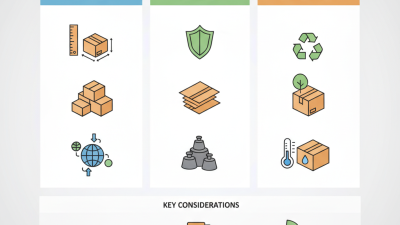
When evaluating the functional requirements of your product's packaging, it’s crucial to consider factors such as protection, usability, and sustainability. Packaging must safeguard the product from damage during transportation and storage while also ensuring that it remains aesthetically pleasing to attract consumers. The material used plays a vital role in maintaining product integrity, so selecting options that can handle environmental stressors like humidity and temperature is essential.

Tips for ensuring optimal protection include choosing containers that match your product's dimensions precisely, using padding or cushioning materials if necessary, and opting for weather-resistant options if your product may be exposed to varying climates. Additionally, think about how easy it is for consumers to open and use the packaging. Streamlined designs that enhance user experience can significantly impact customer satisfaction.

Finally, sustainability is becoming increasingly important in packaging decisions. Assessing the environmental impact of your materials can help you select eco-friendly options that resonate with conscious consumers. Tips for sustainable packaging include reusing materials, choosing biodegradable or recyclable options, and minimizing excess packaging to reduce waste. By carefully considering these functional requirements, you can create packaging solutions that effectively deliver your product while meeting consumer expectations.

Product Packaging Container Evaluation

Considering Branding and Aesthetic Factors in Packaging Design

When choosing packaging containers for your products, the aesthetic and branding factors play a crucial role in shaping consumer perceptions and behaviors. According to a report by the Paper and Packaging Board, 72% of consumers decide whether to buy a product based on its packaging. This statistic underscores the importance of creating visually appealing packaging that aligns with the brand's identity. An effective packaging design not only communicates the product's value but also tells the story of the brand. Utilizing colors, typography, and imagery that resonate with the target audience can significantly enhance the product's appeal and encourage purchase.

Moreover, packaging serves as a vital touchpoint in the customer journey. A study by Nielsen indicates that packaging elements contribute to 45% of a customer's first impression of a product. Therefore, integrating thoughtful design elements that reflect both the functionality and the branding strategy is essential. For example, eco-friendly packaging is increasingly favored, with a report by Accenture revealing that 60% of consumers prefer sustainable options. Brands that incorporate sustainable practices into their packaging design can bolster their brand image while appealing to environmentally-conscious consumers, thus creating a stronger emotional connection and enhancing brand loyalty through thoughtful aesthetics.

Assessing Cost-Effectiveness and Sustainability of Packaging Options

How to Choose the Best Packaging Containers for Your Products

When selecting packaging containers for your products, cost-effectiveness and sustainability should be primary considerations. Cost-effective packaging ensures that you allocate resources wisely, optimizing your budget while maintaining product quality. One way to assess cost-effectiveness is by comparing the lifecycle costs of different packaging options, which include production, transportation, storage, and disposal expenses. Analyzing these factors will help you find a balance between affordability and functionality.

Sustainability is increasingly becoming a critical factor in packaging choices. Customers are more inclined to support brands that prioritize eco-friendly practices. Consider materials that are recyclable, biodegradable, or made from renewable resources. Additionally, optimizing packaging size can reduce materials used and lower shipping costs, contributing to sustainability goals.

**Tips:**
- Always evaluate the environmental impact of your packaging materials by researching their carbon footprint and recyclability.
- Engage with your suppliers about their sustainability practices; choosing partners who share similar values can strengthen your brand message.
- Test different packaging designs to find the most efficient form that minimizes waste and maximizes protection for your product.