Packaging Specialists
Packaging | Healthcare | Moulding

How to Choose the Best Outdoor Lock for Your Security Needs?

Choosing the right Outdoor Lock is crucial for ensuring the safety of your property. In the United States, roughly 26% of property crimes occur at residential properties, emphasizing the need for robust outdoor security measures. According to a report by the Federal Bureau of Investigation, more than two million burglaries are reported each year, with many easily preventable.

When selecting an outdoor lock, consider both its durability and functionality. The industry has seen significant advancements in lock technology. Digital and smart locks, for instance, offer features such as remote access and alerts. However, traditional locks still hold their ground, proving reliable in various weather conditions. It's important to evaluate your specific needs and the environment where the lock will be installed.

Many consumers overlook the significance of proper installation. An excellent outdoor lock can be rendered ineffective if not installed correctly. Security experts often highlight the importance of hiring a professional installer to ensure your outdoor lock functions as intended. While there is no perfect solution, making informed choices can significantly enhance your security posture.
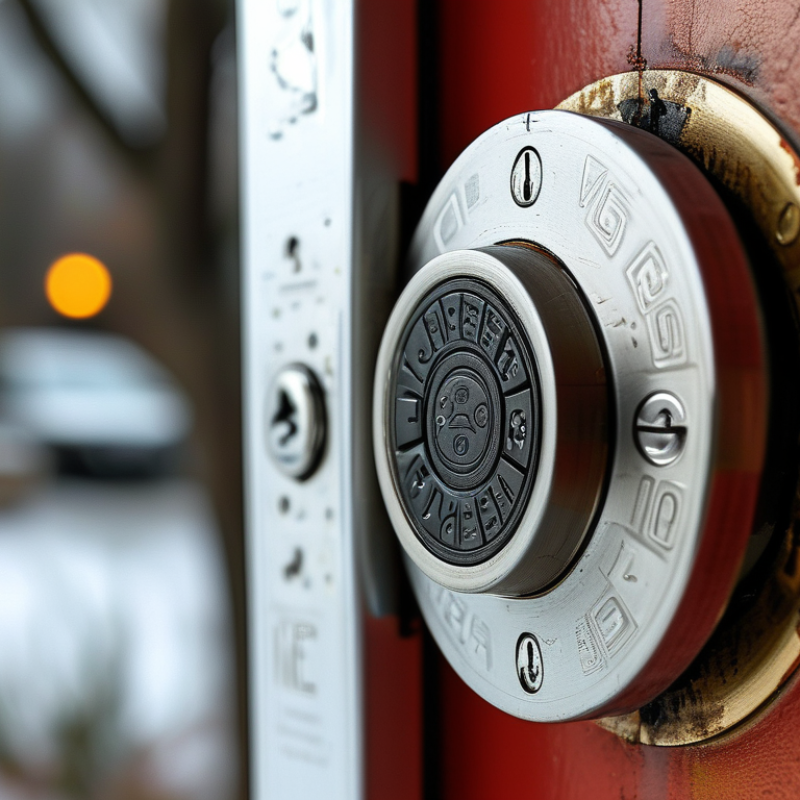
How to Choose the Best Outdoor Lock for Your Security Needs?

Understanding Different Types of Outdoor Locks and Their Features

Choosing the right outdoor lock is essential for any security strategy. Different types of locks serve various needs. For instance, padlocks are versatile and widely used. They come in numerous sizes and designs, providing flexibility. According to a recent security report, almost 30% of reported thefts could have been prevented with better lock choices.

Deadbolts, another popular option, offer enhanced security. They are often installed on exterior doors and require a key for entry. This makes them harder to break, with some models resisting forced entry for up to 15 minutes. However, not all deadbolts are created equal. Many homeowners overlook this detail, leading to vulnerabilities. It's wise to check for certification by reliable testing organizations.

Smart locks are increasingly prevalent, providing convenience and advanced features. They can be controlled via smartphones and may include features like remote access. Yet, reliance on technology brings unique challenges, such as battery life and hacking risks. An estimated 7% of smart locks have reported vulnerabilities in their software. Understanding these differences helps in making informed decisions that enhance security.

Assessing Your Security Needs for Outdoor Lock Selection

When selecting an outdoor lock, understanding your security needs is crucial. Different environments require various levels of protection. For instance, a backyard shed may not need the same security as your front door. Analyzing what you need to secure can help you choose wisely. Consider the value of the items you wish to protect. High-value possessions might need a more robust lock system.

Assessing potential risks is also vital. A neighborhood with a high crime rate may require a more advanced locking mechanism. Think about the access points in your property. Do you need locks for gates, doors, or other areas? Also, reflect on ease of use versus security. Sometimes, overly complicated locks deter users, leading to frustration.

Evaluate the weather conditions in your area too. Corrosion-resistant materials can prolong a lock’s lifespan. Locks exposed to harsh weather may require special types that can withstand the elements. Always aim to find a balance between security, functionality, and cost. Remember, a more expensive lock isn’t always better. It’s essential to consider your specific circumstances to make the right choice.

How to Choose the Best Outdoor Lock for Your Security Needs?

Lock Type Material Weather Resistance Security Level Price Range
Padlock Steel High Medium $10 - $50
Deadbolt Brass Medium High $30 - $100
Smart Lock Aluminum Low Very High $100 - $300
Chain Lock Steel High Low $15 - $40
Combination Lock Plastic/Steel Medium Medium $10 - $30

Factors to Consider: Material, Durability, and Weather Resistance

When choosing an outdoor lock, pay special attention to its material, durability, and weather resistance. Locks are often exposed to harsh conditions, which can affect their performance. Selecting a high-quality material, such as stainless steel or hardened brass, ensures that your lock withstands both physical attacks and corrosion from rain or humidity. Weather-resistance features, like protective coatings, can help prolong the life of your lock.

Consider the environment where the lock will be used. In coastal areas, saltwater can quickly corrode metal locks. Look for locks with extra weatherproofing if you live in such regions. An outdoor lock should also have a robust design to resist tampering. Reflect on how often you will use the lock and the level of security you truly need.

Many locks come with additional features, such as pick-resistant mechanisms. Weigh the benefits of complexity against ease of use. Some intricate designs may be harder to operate, making them less reliable in a hurry. Remember that no lock is completely impervious. Regular maintenance and checks are necessary to ensure optimal function. A lock that seems perfect may still require adjustments over time. Choosing wisely will enhance your overall security strategy.

Outdoor Lock Security Features Comparison

Choosing the Right Keying Method: Keyed vs. Keyless Locks

When choosing an outdoor lock, the keying method can significantly affect your security experience. Keyed locks offer a traditional solution. They require a physical key, providing a sense of familiarity and reliability. However, you might worry about losing that key. If misplaced, accessing your space could become a challenge. Additionally, if someone copies your key without your knowledge, your security can be compromised.

On the other hand, keyless locks bring modern convenience to the forefront. They often use electronic or digital entry systems. This can mean a simple code or a smartphone app. You don’t have to fumble for keys in the dark or risk losing them. Yet, reliance on technology brings its own concerns. What happens if the battery dies? Or if the app has a glitch? These scenarios require consideration when opting for keyless options. Balancing security and convenience is key.

Installation and Maintenance Tips for Outdoor Locks

When selecting outdoor locks, installation and maintenance are crucial. Proper installation ensures functionality and longevity. Clear the area before installation. Use appropriate tools and follow the manufacturer’s guidelines closely. An incorrect setup may lead to vulnerabilities. Secure all mounting points firmly to prevent tampering.

Routine maintenance will enhance the effectiveness of outdoor locks. Check the lock for rust or wear every few months. Lubricate moving parts with a silicone-based spray. This helps keep the lock operating smoothly. Consider weather conditions in your area; extreme temperatures can affect performance.

Inspect the locking mechanism regularly. A careful examination can reveal issues early. Replace batteries in electronic locks as needed. This avoids sudden lockouts. Outdoor locks require attention. Neglecting maintenance can compromise security. Aim for consistent care to ensure your locks protect your property effectively.

Article Source: