Packaging Specialists
Packaging | Healthcare | Moulding

How to Choose the Best Carton Packaging for Your Products?

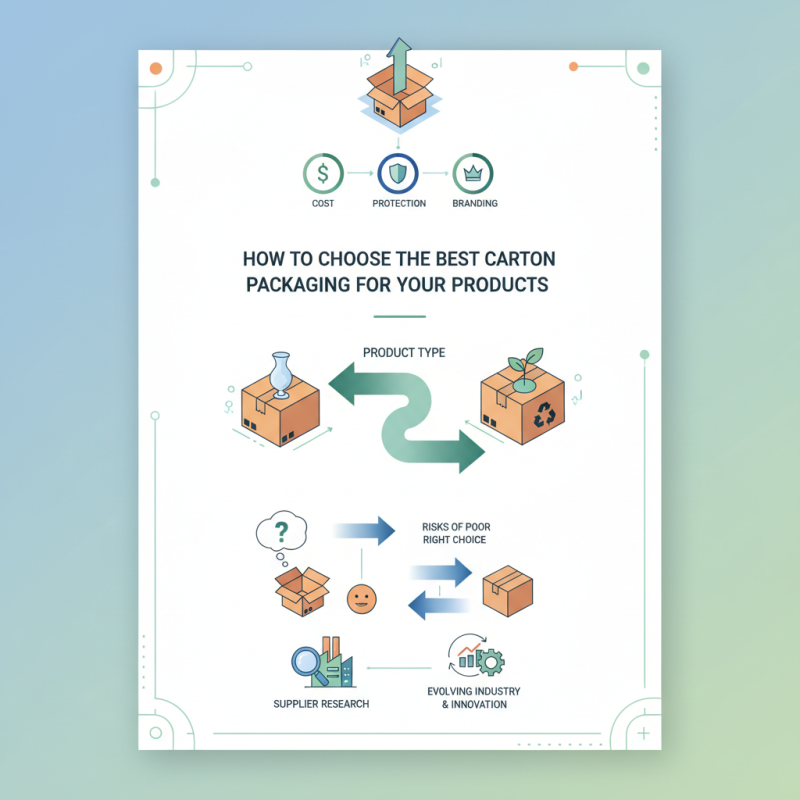
Choosing the right carton packaging for your products is essential. It affects cost, protection, and branding. Expert Alex Johnson notes, “The right packaging can elevate a product's appeal.” Many businesses overlook this aspect. They often settle for standard options that may not meet their needs.

Carton packaging comes in various shapes and materials. The choice should reflect your product's nature. For fragile items, thicker cartons are vital. For eco-conscious brands, recycled paper may enhance their image. However, it's easy to get lost in options. Some companies rush their decisions, which can lead to problems later.

Misjudgments in carton design can lead to damaged goods. This results in unhappy customers and lost revenue. Furthermore, not all providers offer the same quality. Researching suppliers is critical. The world of carton packaging is evolving rapidly. Staying updated can make a significant difference for your brand.
How to Choose the Best Carton Packaging for Your Products?

Understanding the Importance of Carton Packaging in Product Protection

Carton packaging plays a crucial role in protecting products during storage and transport. It shields items from physical damage, moisture, and dust. The right carton keeps your products safe until they reach customers. For fragile goods, thicker materials are essential. A multi-layer design can absorb shocks and prevent breakage. However, many businesses overlook these factors, leading to damaged goods and unhappy customers.

Beyond just protection, carton packaging can impact the overall presentation of your product. Appealing designs attract buyers and create a strong brand image. But not all companies invest enough in this area. Sometimes, plain boxes are used, which can fail to create excitement. A well-designed carton draws attention while ensuring safety. Yet, it is easy to overlook this balance in pursuit of lower costs.

When choosing cartons, consider the materials that match your product's needs. Some products require eco-friendly options. Others need sturdy boxes that can endure rough handling. It’s important to experiment and reflect on what works best. Learning from previous mistakes can lead to better choices in the future. Each decision in packaging affects not just protection but your brand's reputation as well.

Assessing Product Characteristics for Optimal Carton Design

Choosing the right carton packaging starts with understanding your product's characteristics. Each product is unique, whether fragile or durable. Packaging must reflect these traits. Industry reports indicate that 50% of product damage occurs due to inadequate packaging. This highlights the importance of proper design.

When assessing product weight, consider the paperboard strength. Heavier items need sturdier materials. A study by Smithers Pira shows that 65% of consumers prefer sustainable packaging. Opting for eco-friendly materials not only meets this demand but also enhances brand image.

**Tip:** Always test your packaging with real products. Small adjustments can lead to better protection and customer satisfaction.

Packaging dimensions also matter. Tight-fitting cartons reduce movement, minimizing damage. However, overly tight designs can increase stress on the product. Striking a balance is crucial.

**Tip:** Use prototypes to visualize and test functionality. Involving potential customers early can provide valuable feedback. Remember, even small tweaks can change the game.

How to Choose the Best Carton Packaging for Your Products?

Product Type Weight (lbs) Dimensions (inches) Material Type Closure Type Recommended Printing
Electronics 5 12 x 8 x 4 Corrugated Tape Full Color
Food Products 2 8 x 6 x 3 Cardboard Glue Eco-Friendly Ink
Cosmetics 1 6 x 4 x 2 Paperboard Magnetic Clasp Silkscreen
Toys 3 10 x 10 x 5 Recycled Material Tuck Flap Digital Print
Books 1.5 9 x 6 x 1 Kraft Paper Self-Locking Offset Printing

Choosing the Right Materials for Durability and Sustainability

Choosing the right materials for carton packaging is crucial. Durability ensures products arrive intact. Sustainability is increasingly demanded by consumers. According to recent industry reports, 73% of consumers prefer eco-friendly packaging. This trend influences many businesses to rethink their choices.

Consider using materials like recycled paperboard. It offers strength, and 90% of cardboard is recyclable. This approach appeals to environmentally conscious shoppers. But, not all recycled materials perform equally. Some may lack the durability needed for heavier products. Testing different options is essential.

Tips: Evaluate the lifecycle of the materials. Each type has different environmental impacts.

Incorporating biodegradable options can enhance your brand image. However, they often come at a higher cost. Some manufacturers may struggle with the transition. Challenges include sourcing and production adjustments. Researching suppliers is vital to ensure you meet both durability and sustainability goals.

Exploring Different Types of Carton Styles and Structures

How to Choose the Best Carton Packaging for Your Products?

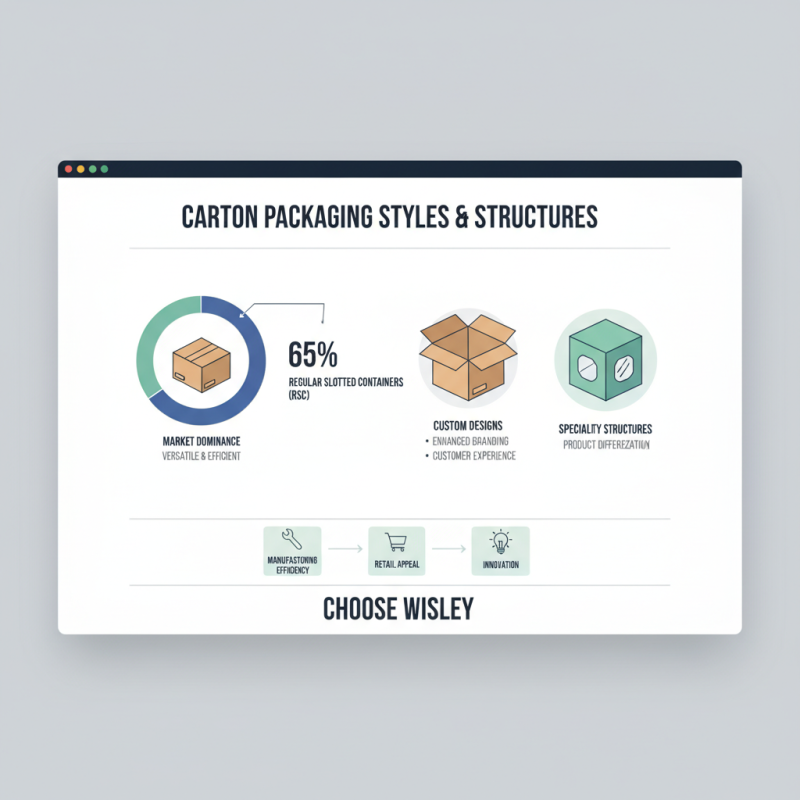
When selecting carton packaging, understanding different styles and structures is crucial. There are several common types, each serving distinct purposes. For instance, regular slotted containers (RSC) dominate the market, making up approximately 65% of all carton types used globally. They are praised for their versatility and efficiency in manufacturing. However, some companies overlook the importance of custom designs that can enhance branding and customer experience.

Another popular type is the die-cut box, which allows for intricate shapes and sizes. These are excellent for products requiring a unique presentation. In recent years, reports indicate that customized packaging can increase sales by up to 30%. Yet, many brands hesitate to invest in this option, often due to higher costs and logistical challenges. This hesitation might lead to missed opportunities in standing out on retail shelves.

Sustainability is another critical aspect when choosing carton styles. Studies show that 70% of consumers prefer eco-friendly packaging. Brands must reflect on their choices and consider sustainable materials, like recycled paper. However, the challenge lies in balancing cost and sustainability. While greener options might initially appear expensive, they can lead to long-term savings and customer loyalty. Choosing the right carton structure requires careful deliberation, as the impact of these decisions can be significant.

Evaluating Cost-Effectiveness and Supplier Options for Carton Packaging

How to Choose the Best Carton Packaging for Your Products?

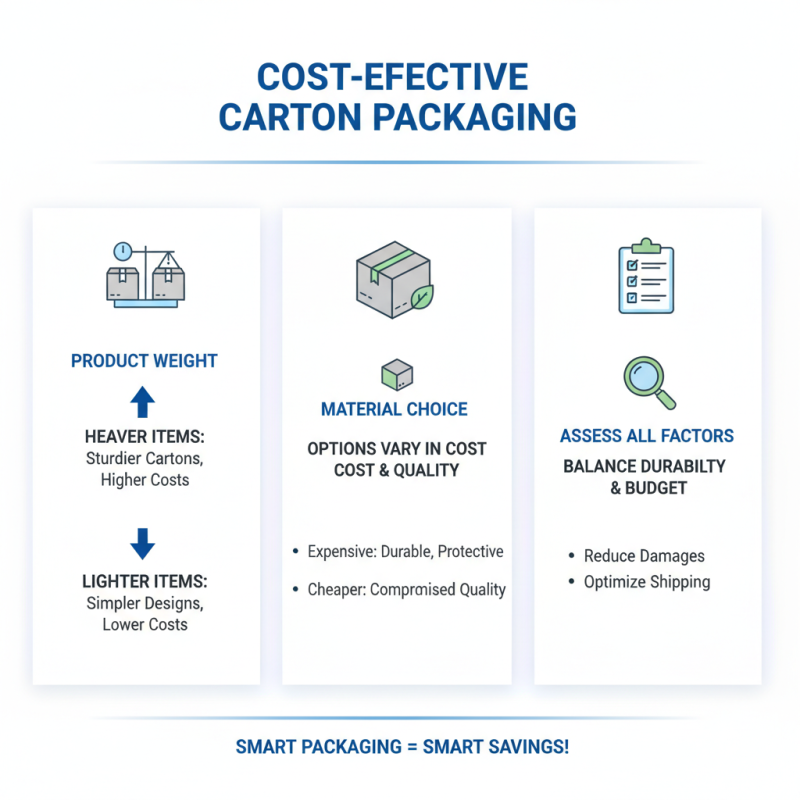
When selecting carton packaging, cost-effectiveness is crucial. You need to assess various factors. Start with the weight of your products. Heavier items may require sturdier cartons, which can increase costs. Lighter products, however, can utilize simpler designs. Consider the materials as well. Different options may have varying costs, and sometimes, cheaper choices compromise quality.

Supplier options matter too. Look for suppliers who offer competitive pricing. Check their minimum order quantities. Some suppliers may require a large order, which might not be suitable for small businesses. Communication is essential as well. A supplier who responds quickly can save you time. You also want to think about their lead times. What if they can't deliver when needed? It can disrupt your operations.

Lastly, reflect on the sustainability of your choices. Eco-friendly materials may have upfront costs but can attract environmentally-conscious customers. Balancing cost and quality may take time. It’s essential to find a solution that fits your budget while satisfying your needs. This process may require adjustments, but each step informs your strategy moving forward.