Packaging Specialists
Packaging | Healthcare | Moulding

How to Choose the Right Carton Boxes for Your Shipping Needs

When it comes to shipping products effectively and securely, choosing the right carton boxes is crucial. The myriad of options available can be overwhelming, but understanding your specific shipping needs is the first step toward making an informed decision. Carton boxes come in various sizes, materials, and designs, each tailored to cater to different types of shipments. Whether you are sending delicate items that require extra protection or bulkier goods that need sturdy support, selecting the appropriate carton box ensures that your products arrive at their destination in optimal condition.

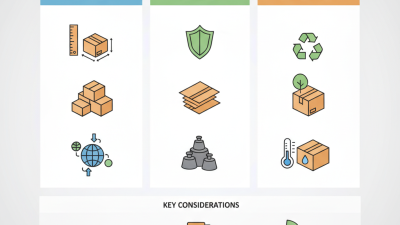
To find the ideal carton boxes for your shipping needs, you should consider factors such as weight, fragility, and the environmental impact of your packaging choices. Additionally, it's important to assess the dimensions of your items and how they will fit within the box. A well-fitted carton box not only minimizes movement during transit but also reduces the risk of damage. By taking the time to evaluate these aspects, you can streamline your shipping process while enhancing customer satisfaction with safe and secure deliveries. With the right carton boxes, you can navigate the complexities of shipping and ensure that your products are protected every step of the way.

How to Choose the Right Carton Boxes for Your Shipping Needs

Understanding Different Types of Carton Boxes for Shipping

How to Choose the Right Carton Boxes for Your Shipping Needs

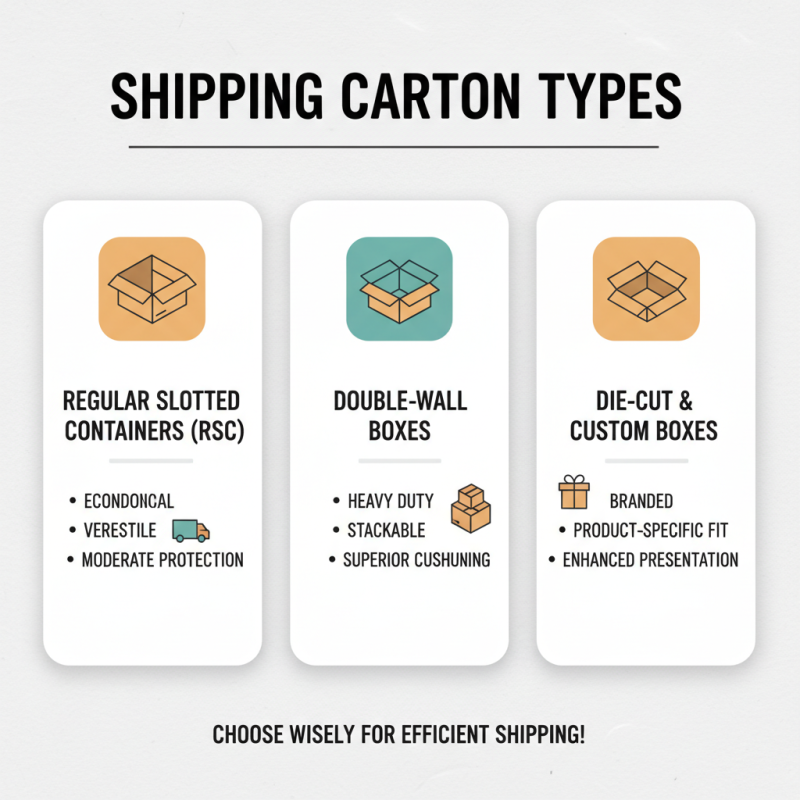
When selecting the right carton boxes for shipping, it is crucial to understand the different types available, as each serves distinct purposes and offers unique advantages. Regular slotted containers (RSC) are among the most common types. They are economical and versatile, made from a single piece of cardboard that folds into shape, allowing for efficient storage and shipping. RSC boxes are ideal for products that require moderate protection during transit, making them a popular choice for e-commerce businesses.

Another option to consider is the half-slotted container (HSC), which lacks one end and is often used for packaging specific items that require easier access. These boxes are particularly useful when products need to be packaged and unpacked rapidly. For heavier or fragile items, double-wall cartons provide enhanced durability, as they are constructed with two layers of corrugated cardboard. This extra strength is essential for protecting vulnerable goods during shipping. By understanding these various types of carton boxes, you can make an informed decision that aligns with your shipping needs, ensuring your products arrive safely and securely.

Evaluating Size and Weight Considerations for Carton Selection

When selecting the right carton boxes for your shipping needs, evaluating size and weight considerations is crucial for ensuring the safe delivery of your products. Start by measuring the dimensions of your items accurately. Use a ruler or tape measure to determine the length, width, and height of the products you intend to ship. This will help you choose cartons that not only accommodate your items snugly but also minimize movement during transit, reducing the risk of damage.

Weight is another essential factor. Make sure to weigh your items, as the total weight will influence your choice of carton thickness and structure. Lightweight items may require standard corrugated boxes, while heavier products will benefit from stronger, double-walled boxes to provide better support and protection.

**Tips:**
1. Always allow for extra space in your carton for cushioning materials like bubble wrap or packing peanuts, which offer added protection.
2. Consider the shipping method you will use; if your shipment may undergo rough handling during transit, opt for sturdier cartons that can withstand the rigors of transport.
3. When in doubt, test different box sizes with your products to find the best fitting option before finalizing your order.

Assessing Material Quality and Durability for Shipping Boxes

How to Choose the Right Carton Boxes for Your Shipping Needs

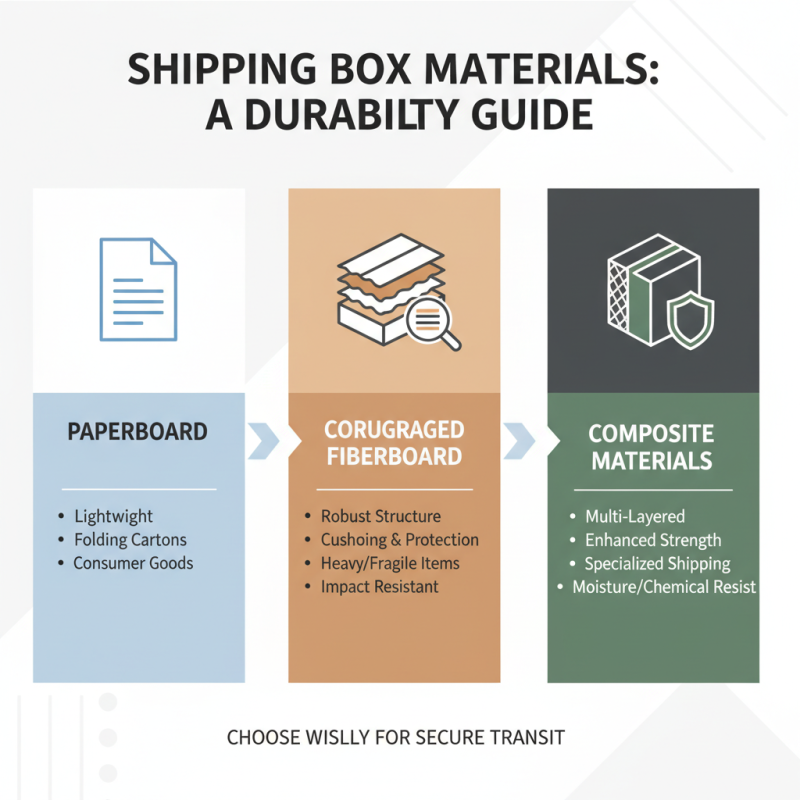
When selecting carton boxes for shipping, assessing material quality and durability is crucial. The primary materials used in manufacturing shipping boxes include corrugated fiberboard, paperboard, and composite materials. Corrugated fiberboard is often preferred due to its robust structure, providing superior cushioning and protection against external pressures. It consists of a fluted inner layer sandwiched between two linerboards, allowing it to withstand significant weight and resist impact during transit.

Another important factor is the box's grade, which affects its performance under varying conditions. Boxes come in different grades based on their stacking strength and burst strength, which indicates how much pressure they can endure before failing. Higher grade boxes often provide better durability, making them suitable for fragile or heavy items. In addition, environmental considerations should also be factored in, such as whether the materials are recyclable or made from sustainable sources, as this can impact both the environment and your brand’s reputation.

Ultimately, choosing the right carton box involves a careful evaluation of these material properties to ensure your products arrive safely at their destination. Select boxes that align with the specific requirements of your items and shipping conditions, providing peace of mind that your goods are well-protected throughout the shipping process.

Analyzing Cost-Effectiveness in Choosing Carton Boxes

When selecting carton boxes for shipping, cost-effectiveness plays a pivotal role in ensuring the overall efficiency of logistics operations. According to a report by Smithers Pira, the global demand for corrugated packaging is expected to reach approximately 200 million metric tons by 2024. This growth is largely driven by the increasing need for sustainable and affordable shipping solutions, prompting businesses to analyze the cost versus benefits of various carton options. By opting for standardized sizes and weights, companies can significantly reduce both material costs and shipping expenses. Research indicates that using appropriately sized boxes can lead to a 30% reduction in shipping costs due to better space utilization and decreased dim weight charges.

Furthermore, the choice of carton material can influence the long-term financial viability of shipping boxes. A study by the Fibre Box Association highlights that businesses utilizing high-quality, lightweight materials can experience up to a 15% reduction in freight costs. This is crucial in today's fast-paced e-commerce environment, where every penny counts. Organizations are also encouraged to consider options like eco-friendly materials that may initially appear costlier but increasingly provide savings through tax incentives and alignment with consumer preferences for sustainable practices. By carefully analyzing the cost-effectiveness associated with both the manufacturing and transportation of carton boxes, companies can make informed choices that bolster their bottom line while meeting shipping demands efficiently.

How to Choose the Right Carton Boxes for Your Shipping Needs - Analyzing Cost-Effectiveness in Choosing Carton Boxes

Box Type Dimensions (inches) Material Weight Capacity (lbs) Cost per Unit ($)
Regular Slotted Container 12 x 12 x 12 Triple Wall Board 60 1.50
Half Slotted Container 10 x 10 x 5 Double Wall Board 40 0.90
High-Performance Corrugated 14 x 14 x 14 Type A Flute 80 2.25
Die-Cut Box 8 x 8 x 4 Single Wall Board 30 1.10
Flat Pack Box 24 x 18 x 8 Double Wall Board 70 2.00

Identifying Eco-Friendly Options for Sustainable Shipping Needs

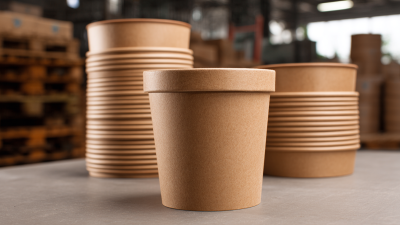
When selecting carton boxes for shipping, one of the essential considerations is their environmental impact. Eco-friendly packaging options are increasingly available, catering to businesses and consumers looking to minimize their carbon footprint. These options typically include boxes made from recycled materials or biodegradable substances, which not only reduce waste but also utilize renewable resources. By opting for these sustainable materials, companies can align their shipping practices with eco-conscious values, fostering a positive brand image while contributing to environmental preservation.


Another factor to consider is the lifecycle of the carton boxes. Many eco-friendly options are designed for reuse or recycling, which can significantly reduce the overall environmental impact of shipping. Consumers are becoming more aware of the importance of sustainable practices, making it imperative for businesses to provide packaging that reflects such ideals. By sourcing environmentally responsible boxes, businesses can not only meet regulatory standards but also satisfy consumer demand for sustainability, ultimately leading to a more responsible and future-focused shipping strategy.