How to Choose the Best Plastic Packaging Boxes in 2026?
In 2026, the selection of plastic packaging boxes will be crucial for businesses aimed at sustainability and efficiency. The global plastic packaging market is expected to exceed $500 billion, driven by demands for lightweight and durable packaging solutions. According to industry expert Dr. Sarah Jennings, "Consumers increasingly prefer brands that prioritize eco-friendly practices." This shift is influencing companies to choose more sustainable packaging options.
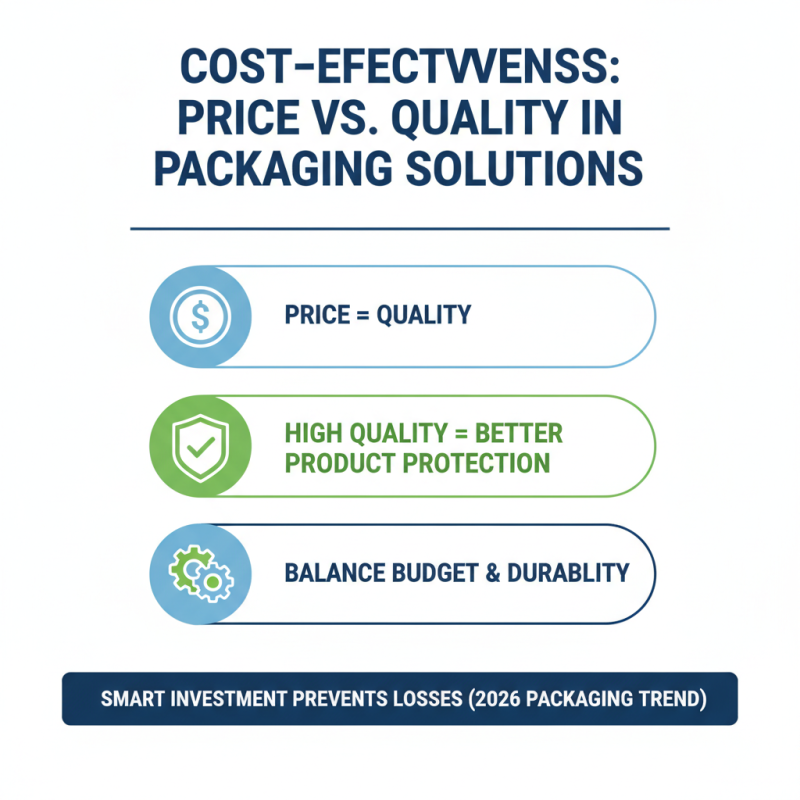
Choosing the right plastic packaging boxes involves considering several factors, including material, size, and functionality. High-density polyethylene (HDPE) and polypropylene (PP) are popular choices for their strength and recyclability. Brands must ensure their packaging aligns with environmental standards. However, the quest for sustainability can present challenges, such as balancing cost and quality.
As the market evolves, staying informed about trends is vital. Missteps can occur if brands fail to adapt quickly, leading to wasted resources or negative consumer perceptions. Experts recommend conducting thorough research before making decisions. In this landscape, understanding the nuances of plastic packaging boxes can ultimately drive consumer loyalty and profitability.

Factors to Consider When Selecting Plastic Packaging Boxes
When selecting plastic packaging boxes, several factors come into play. Firstly, material quality is crucial. The packaging should be made from durable plastic that can withstand wear and tear. Check for flexibility, impact resistance, and overall sturdiness. These aspects determine how well the packaging protects its contents during transit.
Another essential factor is size and shape. Inadequate sizing can lead to damaged products or wasted space. Consider the dimensions of the items being packaged. Custom shapes may also enhance aesthetic appeal, but they can increase costs. It's essential to balance aesthetics and functionality.
Sustainability is becoming increasingly important in packaging decisions. Many consumers prefer eco-friendly options. Evaluate if the plastic packaging you choose is recyclable or made from recycled materials. Reflecting on this can help businesses align with environmental values.
Finally, it’s worthwhile to note that testing packaging under real-world conditions can reveal flaws. Gathering feedback from end-users can provide insights into potential improvements. Making informed choices enhances the effectiveness of your packaging strategy.
Material Types: Understanding Different Plastics for Packaging
Choosing the right plastic packaging materials is crucial. Different plastics serve unique purposes. Understanding these materials can elevate your product's appeal.
Polyethylene (PE) is common for flexible packaging. It’s durable and weather-resistant. PE comes in low-density (LDPE) and high-density (HDPE) forms. LDPE is often used for bags and films, while HDPE is ideal for bottles. However, its environmental impact is a consideration more companies are facing.
Polypropylene (PP) is another versatile type. It withstands high temperatures well. This makes it suitable for containers that require sterilization. Yet, PP’s recyclability can be limited compared to other plastics. Companies should assess local recycling capabilities before choosing this material.
Polyvinyl chloride (PVC) offers strength and flexibility, but it has mixed perceptions. Some find it harmful. This material is commonly used in construction or plumbing. Its use in packaging is decreasing as consumers push for safer options. Evaluating each type carefully yields better choices in the long run.
How to Choose the Best Plastic Packaging Boxes in 2026? - Material Types: Understanding Different Plastics for Packaging
| Plastic Type |
Properties |
Common Applications |
Recyclability |
| Polyethylene (PE) |
Flexible, moisture resistant, lightweight |
Bags, films, containers |
Widely recyclable |
| Polypropylene (PP) |
Stiff, heat resistant, transparent |
Food containers, straws, caps |
Recyclable, but less common |
| Polystyrene (PS) |
Brittle, good insulating properties |
Disposable cutlery, foam packaging |
Not widely recycled |
| Polyethylene Terephthalate (PET) |
Durable, resistant to moisture and chemicals |
Bottles, containers, films |
Highly recyclable |
| Acrylonitrile Butadiene Styrene (ABS) |
Strong, impact resistant, easy to mold |
Toy parts, automotive components |
Limited recyclability |
Eco-Friendly Options: Sustainable Choices in Plastic Packaging
When selecting plastic packaging boxes in 2026, sustainability is a primary concern. Recent studies indicate that 70% of consumers prefer eco-friendly packaging options. This shift reflects a growing awareness of plastic pollution. Innovative materials, such as bioplastics and recycled plastics, are becoming popular choices. These materials not only reduce environmental impact but also maintain functionality and durability.
Many companies are exploring biodegradable options that decompose within months. According to industry reports, such packaging can reduce landfill waste significantly.
This approach aligns with global initiatives aimed at reducing plastic production and promoting recycling. Consumers are more likely to support brands that prioritize sustainability. Transparency in sourcing materials further builds trust.
Tips for selecting eco-friendly plastic packaging include:
- Verifying certifications
- Checking recyclability
Always prioritize suppliers who practice
circular economy principles. It’s essential to balance cost with environmental impact.
Some companies still hesitate to switch due to perceived price increases. However, investing in sustainable packaging can enhance brand loyalty and long-term savings. Reflect on these choices; small shifts in packaging can lead to significant environmental benefits.
Customization: Tailoring Plastic Boxes to Your Product Needs
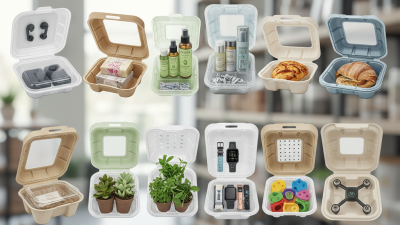
When considering plastic packaging boxes, customization plays a crucial role. Tailoring plastic boxes to meet specific product needs can significantly enhance functionality. For example, a unique shape can optimize shelf space. It’s important to balance aesthetics and utility. Creative designs attract customers. However, ensure they align with your branding.
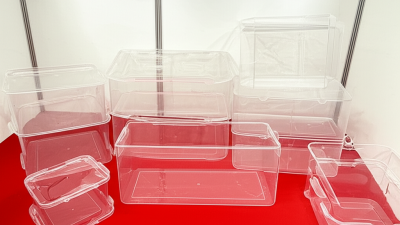
Size and dimensions matter too. Custom sizes can prevent product damage during transit. A box that fits perfectly can reduce waste. While customization offers opportunities, it also presents challenges. Consider cost implications and production time. Sometimes, ready-made options might be a more practical choice. Evaluate your priorities carefully.
Material selection is another aspect of customization. Different plastics offer various benefits and drawbacks. Some materials are more environmentally friendly, while others might excel in durability. Being mindful of your target audience's preferences is essential. They may favor sustainable options. Staying informed about industry trends can guide your decisions. Embrace the journey of finding the right packaging solution. It’s a process that involves experimentation and feedback.