Packaging Specialists
Packaging | Healthcare | Moulding

How to Choose the Best Packaging Supplies for Your Business Needs

Choosing the right packaging supplies is crucial for any business. The right supplies can enhance product safety and customer satisfaction. They also play a significant role in branding and marketing efforts.

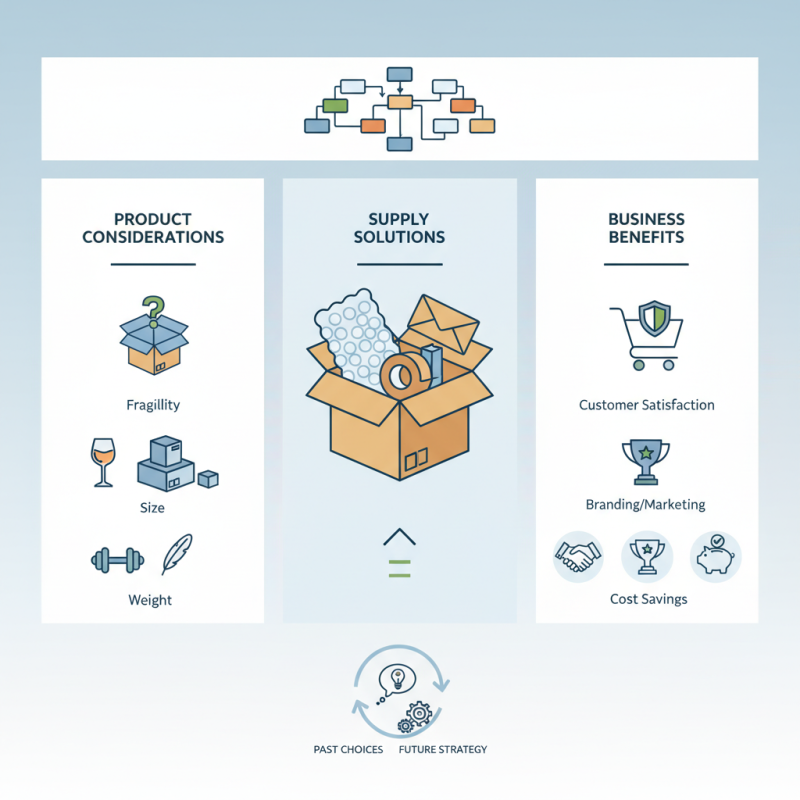
Many options are available on the market, but quality often varies. As you evaluate your needs, consider the type of products you are selling. The size, weight, and fragility of items all influence your choice of packaging supplies. For example, fragile items may need bubble wrap or strong boxes.

Reflecting on previous choices can lead to better decisions. Have your past packaging solutions met your needs? Are there areas for improvement? This deeper consideration can help optimize your packaging strategy. Choosing efficiently will not only save costs but enhance the overall customer experience.
How to Choose the Best Packaging Supplies for Your Business Needs

Understanding Your Business's Packaging Requirements

Understanding your business's packaging requirements is essential for success. Different sectors demand varied packaging solutions. For instance, the food industry often prioritizes hygiene and compliance with safety regulations. On the other hand, e-commerce businesses focus on durability and cost-effectiveness. According to a recent report by Smithers Pira, packaging represents about 40% of the total cost of goods sold in some sectors. This highlights the importance of choosing the right materials.

Consider the size and weight of your products. Bulky items may require sturdier boxes, while smaller products could benefit from economical padding. Additionally, research shows that 72% of consumers believe that packaging design influences their purchasing decisions. This statistic urges businesses to think critically about their branding and presentation. Flaws in packaging can lead to damaged goods and lost sales.

Finally, sustainability is becoming a key consideration. Reports indicate that 66% of consumers prefer brands with environmentally friendly packaging. Yet, many companies still struggle to balance eco-friendliness with logistical efficiency. Regularly assessing your packaging strategy can help identify areas needing improvement and innovation. Each packaging decision impacts your bottom line, so thorough evaluation is vital.

Packaging Supplies Requirements by Business Type

Evaluating Different Types of Packaging Materials

When evaluating packaging materials, consider the type of product you are shipping. Fragile items need cushioning. Opt for bubble wrap or foam inserts. For food products, ensure your materials are safe and compliant. Materials like biodegradable films can enhance your brand’s eco-friendly image.

Tips: Always test your packaging. A sturdy box may seem ideal, but it can be heavy and costly. Balance weight with protection. Consider using lighter materials for less fragile items.

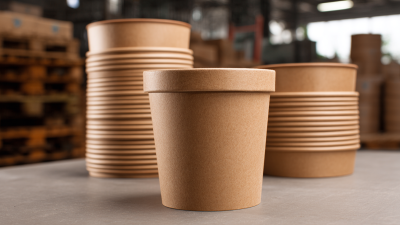
Next, think about your audience. If they value sustainability, choose recyclable options. Kraft paper or compostable materials are great choices. However, not all biodegradable materials perform well under different conditions.

Tips: Do some research on material limits. Underestimating product needs can lead to damaged goods. It’s better to start small with an array of options. That way, you can assess what works best for your business and customers.

How to Choose the Best Packaging Supplies for Your Business Needs - Evaluating Different Types of Packaging Materials

Packaging Type Material Sustainability Cost (per unit) Durability
Cardboard Box Kraft Paper Biodegradable $0.50 Moderate
Plastic Wrap Polyethylene Not Eco-friendly $0.20 High
Bubble Mailer Polyethylene & Bubble Wrap Not Eco-friendly $0.75 Very High
Glass Jar Glass Recyclable $1.00 Very High
Recycled Paper Bag Recycled Paper Eco-friendly $0.30 Moderate

Comparing Costs and Budgeting for Packaging Supplies

How to Choose the Best Packaging Supplies for Your Business Needs

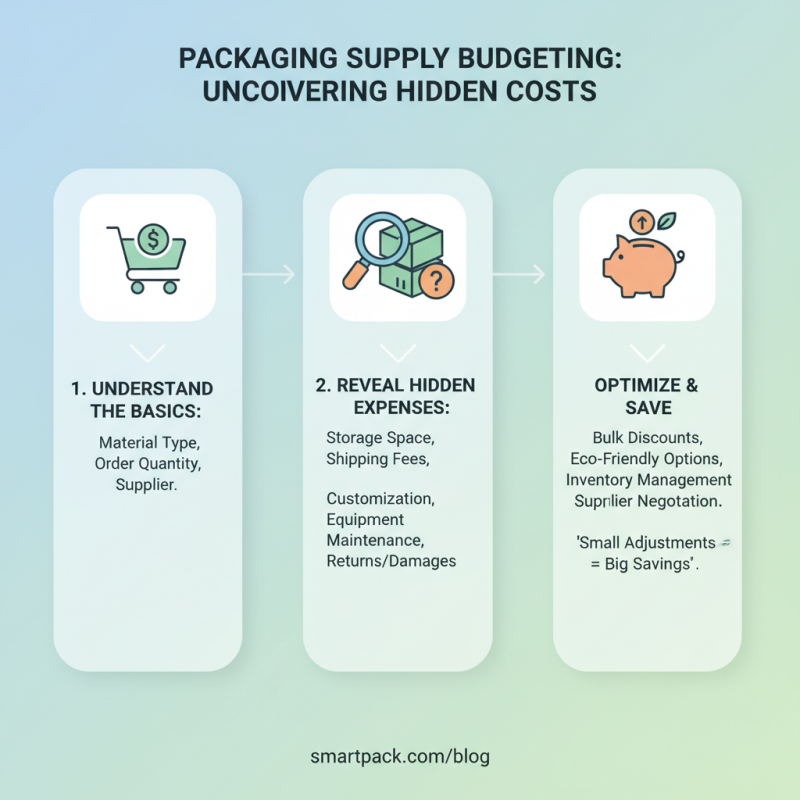
When budgeting for packaging supplies, understanding costs is essential. Often, businesses overlook hidden expenses. Prices fluctuate based on material type, order quantity, and supplier. A detailed assessment can reveal surprising costs. Small adjustments can lead to significant savings over time.

Tips: Consider bulk purchasing. Buying in larger quantities typically reduces costs. However, ensure storage capacity before committing. Evaluate different materials as well. Sometimes, opting for a less expensive option doesn't sacrifice quality. But be cautious; quality issues can arise unexpectedly.

Another key point is to track your spending. Create a clear budget plan. Regularly reviewing it helps identify trends. Are your expenses rising? Maybe you need to rethink suppliers or materials. Reflect on past choices. Occasionally, what seemed like a good deal may not be in the long run. Be flexible and open to change.

Sustainability Practices in Packaging Choices

When considering sustainability in packaging, start with materials. Use recycled or biodegradable options. This choice reduces waste in landfills. It also shows your commitment to the environment. Customers appreciate brands that care. Every small change can make a big difference.

Think about the packaging design as well. Minimalism can be a great approach. Reduce excess materials and excess packaging. A simple design not only saves resources but also lowers costs. However, not all simple designs are effective. Consider durability and protection for your products.

It’s important to reflect on your choices continuously. Monitor the impact of your packaging on the environment. Are you truly making a difference? Gather feedback from customers. Sometimes, what seems sustainable may not be effective. Be open to improvements and changes. Embrace the journey towards better packaging practices.

Choosing Suppliers and Enhancing Your Packaging Strategy

When choosing suppliers for your packaging needs, consider quality and reliability first. A 2022 study found that 75% of businesses reported inconsistencies in their packaging supplies caused delays in production. Finding a dependable supplier can significantly reduce these setbacks.

Tip: Assess supplier reviews and past performance. Reach out to previous clients for feedback. This practical step can uncover potential red flags.

Enhancing your packaging strategy involves both creativity and practicality. Think about how your packaging not only protects products but also reflects your brand. According to a report by Packaging Strategies, 60% of consumers said they make purchase decisions based on packaging aesthetics. Yet, many businesses overlook this vital aspect.

Tip: Experiment with eco-friendly materials. Sustainable packaging is not just a trend; it's becoming essential. Missteps in choosing non-recyclable materials can harm your brand image. Regularly evaluate your packaging materials to ensure they align with evolving consumer preferences.